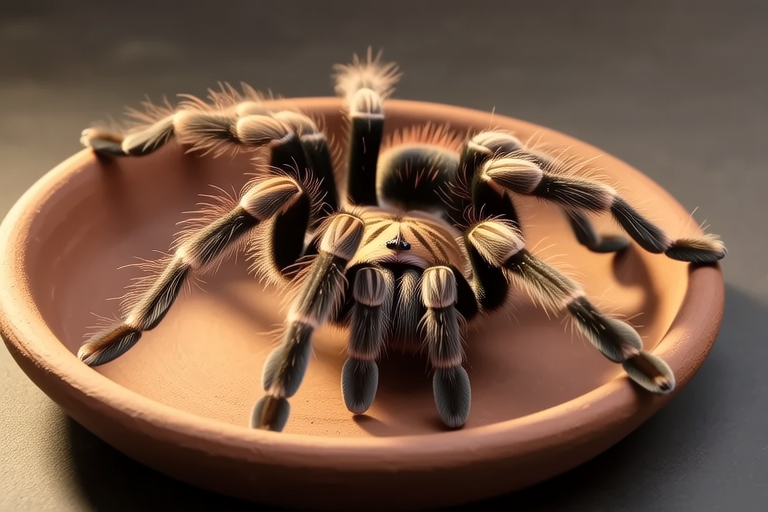
Top 10 Myths Debunked About Chilean Rose Tarantulas
The Chilean Rose Tarantula (Grammostola rosea) is one of the most popular species among tarantula enthusiasts. However, like many other exotic pets, it is surrounded by numerous myths and misconceptions. This article aims to debunk the top ten myths about this fascinating arachnid, providing scientific facts and personal insights.
Myth 1: Chilean Rose Tarantulas Are Highly Aggressive
One of the most widespread misconceptions about G. rosea is that they are aggressive. In reality, these tarantulas are generally calm and docile. Their natural habitat in the deserts and scrublands of Chile, Argentina, and Bolivia has shaped them into creatures that prefer to avoid confrontation. They use their camouflage skills to hide from predators rather than confront them aggressively.
Scientific studies have shown that these tarantulas will only bite as a last resort when they feel threatened. Even then, their venom is mild and not harmful to humans, causing at most temporary discomfort similar to a bee sting.
Myth 2: All Chilean Rose Tarantulas Have Identical Habits
While G. rosea shares many common traits, individual habits can vary. Some may be more active during the day, while others prefer nocturnal activity. This variability is influenced by factors such as age, gender, and environmental conditions within their enclosure.
Personal experience suggests that younger tarantulas tend to be more active and curious, exploring their surroundings frequently. As they mature, their activity levels often decrease, and they spend more time resting in their burrows.
Myth 3: Chilean Rose Tarantulas Require Constant Feeding
Another common myth is that these tarantulas need to be fed daily. In fact, their diet should be carefully managed to prevent obesity and related health issues. Adult Chilean Rose Tarantulas typically require feeding every two weeks.
Younger tarantulas, however, need more frequent meals—about once a week. It’s important to monitor their weight and adjust feeding schedules accordingly. Overfeeding can lead to health problems, so responsible owners must learn to recognize signs of satiety in their pets.
Myth 4: Handling Is Harmful to Chilean Rose Tarantulas
Many believe that handling these tarantulas is detrimental to their well-being. While it is true that improper handling can cause stress or injury, gentle and respectful interactions can actually benefit the tarantulas. Regular, controlled handling helps them acclimate to human presence.
It’s crucial to handle them correctly, supporting their body properly and avoiding sudden movements. Always wash your hands before and after handling to remove any potential contaminants.
Myth 5: Chilean Rose Tarantulas Cannot Be Kept in Groups
There’s a misconception that these tarantulas cannot coexist in the same enclosure. While adult males are highly territorial and should not be housed together, females and juveniles can share space under certain conditions. Providing ample hiding spots and ensuring adequate food supply are key to maintaining harmony.
Observations from experienced keepers suggest that juvenile G. rosea can thrive in communal setups, especially if they are provided with enough room and resources to minimize competition.
Myth 6: Chilean Rose Tarantulas Are Easy to Breed
Breeding G. rosea is not as straightforward as some might think. It requires careful planning and understanding of the species’ reproductive behaviors. Males and females must be of appropriate age and size for successful mating. Additionally, the female must be receptive, which can be challenging to determine.
Successful breeding also depends on creating optimal environmental conditions, including temperature, humidity, and diet. Patience and expertise are essential for those interested in breeding Chilean Rose Tarantulas.
Myth 7: Chilean Rose Tarantulas Don’t Need UV Light
Some believe that UV light is unnecessary for these tarantulas. While they don’t require direct exposure to sunlight, UV light plays a role in maintaining their circadian rhythms and overall health. Providing a UV light source can help simulate natural daylight cycles, contributing to their well-being.
It’s important to use low-intensity UV bulbs designed for reptiles or amphibians, as excessive UV radiation can harm tarantulas. The light should be placed outside the enclosure to avoid direct contact.
Myth 8: Chilean Rose Tarantulas Are Nocturnal
Contrary to popular belief, G. rosea are not strictly nocturnal. They exhibit crepuscular behavior, meaning they are most active during dawn and dusk. This pattern allows them to take advantage of cooler temperatures and reduced predator activity.
Owners should provide environments that mimic these natural conditions, offering opportunities for activity during twilight hours. This can enhance the tarantulas’ quality of life and encourage natural behaviors.
Myth 9: Chilean Rose Tarantulas Can Survive Without Water
Water is essential for all living organisms, including tarantulas. While G. rosea can survive longer periods without drinking water due to their ability to extract moisture from their prey, they still require access to water. Dehydration can lead to serious health issues, including decreased mobility and weakened immune systems.
Providing a shallow dish of clean water in their enclosure ensures they have easy access to hydration. Regularly checking and replacing the water is vital for their health.
Myth 10: Chilean Rose Tarantulas Are Not Suitable for Beginners
Despite being popular pets, there’s a misconception that G. rosea are too advanced for beginners. In reality, their hardiness, manageable size, and relatively simple care requirements make them ideal for novice tarantula owners. They are forgiving of minor mistakes and can serve as excellent learning tools for new enthusiasts.
However, beginners should still invest time in researching proper care techniques and setting up a suitable environment before acquiring a Chilean Rose Tarantula.
Tips for Responsible Tarantula Ownership
For those considering owning a Chilean Rose Tarantula, here are some tips for responsible care:
- Provide a spacious, secure enclosure with appropriate substrate and hiding spots.
- Monitor temperature and humidity levels to ensure they remain within the recommended range (75-85°F and 60-70% humidity).
- Feed a balanced diet of appropriately sized insects and offer fresh water regularly.
- Handle your tarantula gently and infrequently to minimize stress.
- Research and understand the specific needs of your tarantula, adapting care practices as necessary.
By following these guidelines, you can ensure a healthy and happy life for your Chilean Rose Tarantula.
