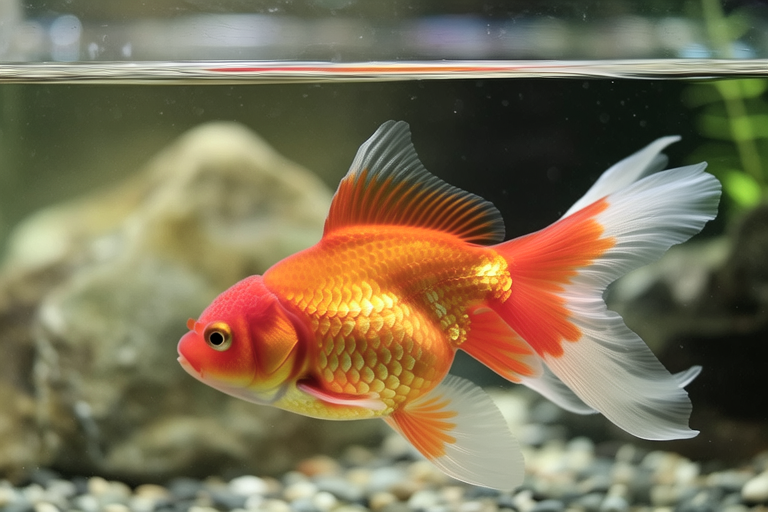
From Tank to Table: The Ultimate Guide to Goldfish Care
Welcome to the world of goldfish care! Whether you’re a novice aquarist or an experienced fish enthusiast, this guide will provide you with all the information you need to ensure your goldfish live long, healthy lives. From setting up their environment to understanding their dietary needs and common health issues, we’ve got you covered. Let’s dive into the essentials of goldfish care.
Setting Up the Perfect Tank
The first step in goldfish care is creating a suitable habitat. Goldfish require ample space to thrive, as they are active swimmers. A general rule of thumb is to provide at least 20 gallons of water per goldfish. This ensures that they have enough room to swim and reduces stress, which can lead to health problems.
Choose a tank with a large surface area rather than a tall one. This increases oxygen diffusion from the air into the water. Goldfish are coldwater fish, so they don’t require heaters unless you’re keeping tropical species alongside them. However, maintaining a stable temperature between 68-74°F (20-23°C) is crucial for their well-being.
Filtration is key in any aquarium, especially for goldfish. These fish produce a lot of waste, and a good filtration system helps keep the water clean and clear. Look for filters that provide mechanical, biological, and chemical filtration. Regular maintenance of the filter is also important to ensure it continues to function effectively.
Decorating the tank can be fun, but it’s important to choose decorations carefully. Avoid sharp or rough objects that could injure your goldfish. Plants can add aesthetic value and provide hiding spots, but live plants may struggle due to the high nutrient levels in goldfish tanks. Artificial plants are a safer option.
Maintaining Water Quality
Water quality is paramount for the health of your goldfish. Poor water conditions can lead to diseases and stress. Regular water changes are necessary to maintain optimal conditions. Aim to change about 25% of the water weekly. Use a gravel vacuum to remove debris from the substrate during these changes.
Testing the water regularly for pH, ammonia, nitrite, and nitrate levels is recommended. Goldfish prefer slightly alkaline water with a pH between 7.0 and 8.0. Ammonia and nitrite should always read zero, while nitrates should be kept below 40 ppm. If levels are too high, perform additional water changes or improve filtration.
Aeration is another factor to consider. Goldfish need plenty of dissolved oxygen in the water. This can be achieved through proper filtration, water movement, and possibly adding an air pump. Oxygen levels can drop overnight, so ensuring adequate aeration is vital.
Feeding Your Goldfish Properly
Goldfish are omnivores and enjoy a varied diet. Their natural diet includes algae, insects, and small aquatic organisms. In captivity, they can eat a wide range of foods, but it’s important to feed them appropriately to avoid overfeeding, which can cause bloating and other health issues.
Commercial goldfish food is available in various forms—flakes, pellets, and sticks. These foods are formulated to meet the nutritional needs of goldfish. Feed your goldfish twice daily, giving them only what they can consume within a few minutes. Overfeeding not only harms the fish but also pollutes the water.
In addition to commercial food, you can supplement their diet with occasional treats like blanched vegetables (such as peas or spinach), bloodworms, and brine shrimp. These treats should be offered sparingly, about once or twice a week. Variety in their diet helps ensure they receive all the nutrients they need.
Understanding Goldfish Behavior
Observing your goldfish can tell you a lot about their health and well-being. Healthy goldfish are active, alert, and curious. They should swim gracefully without appearing lethargic or struggling. Pay attention to their eating habits; if they lose interest in food, it could indicate illness.
Goldfish are social creatures and often display interesting behaviors when kept in groups. They can interact with each other, sometimes playing or chasing. They may also become accustomed to their owners and show signs of recognition, such as swimming to the front of the tank when fed.
While goldfish are generally peaceful, overcrowding can lead to aggressive behavior. It’s important to provide enough space for each fish to establish its territory. Aggression can manifest as fin nipping or chasing, which can cause injury. Ensuring the right balance of fish to tank size is crucial.
Common Health Issues and Prevention
Like any pets, goldfish can suffer from various health issues. Some of the most common ailments include ich, fin rot, dropsy, and swim bladder disorder. Recognizing the symptoms early and taking prompt action can prevent serious complications.
Ich, a parasitic infection, appears as white spots on the fish’s body. Fin rot presents as frayed or discolored fins. Dropsy causes the fish to appear bloated, and swim bladder disorder affects their ability to maintain balance. Each of these conditions requires specific treatment, often involving medication or environmental adjustments.
To prevent health issues, maintain pristine water quality, feed a balanced diet, and quarantine new fish before introducing them to the main tank. Regular observation and prompt action when something seems amiss are key to keeping your goldfish healthy.
The Importance of Responsible Pet Ownership
Owning goldfish is a rewarding experience, but it comes with significant responsibilities. Providing a suitable environment, regular care, and attention are just some of the commitments involved. Goldfish can live up to 20 years, so being prepared for the long-term commitment is crucial.
Responsible pet ownership means considering the impact of your actions on the fish. Overcrowding, poor water quality, and inadequate nutrition can shorten their lifespan and reduce their quality of life. By making informed decisions and dedicating time to their care, you ensure that your goldfish enjoy a happy, healthy life.
Remember, the bond you form with your goldfish can be incredibly fulfilling. Watching them grow and thrive in their tank can bring joy and relaxation. By following the guidelines provided in this guide, you’ll be well-equipped to provide the best possible care for your goldfish.
Conclusion
Caring for goldfish involves more than just setting up a tank and providing food. It’s about creating a nurturing environment where your fish can flourish. From tank setup and water quality maintenance to appropriate feeding practices and understanding common health issues, each aspect plays a critical role in your goldfish’s well-being.
By adopting responsible pet ownership practices, you ensure that your goldfish live long, healthy lives. Take pride in your role as a caretaker and enjoy the companionship of these fascinating creatures. Happy fishkeeping!
