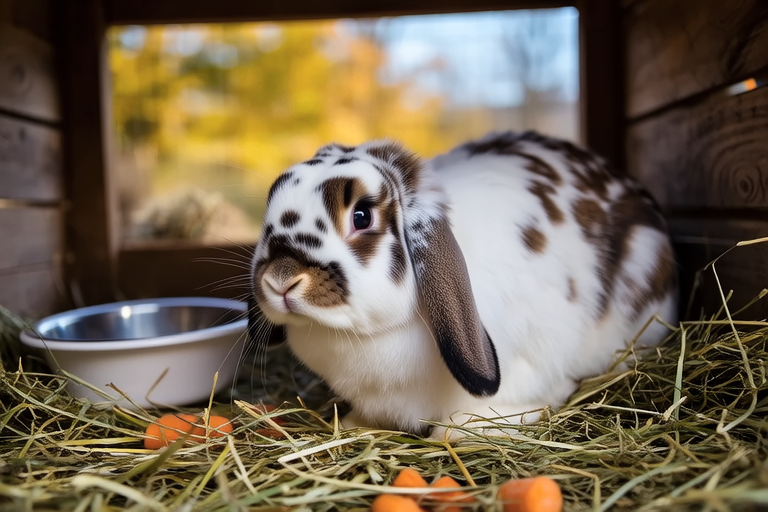
The Cozy Life of a Lop Rabbit: Insights from Expert Breeders
For many pet lovers, lop rabbits have become a popular choice due to their unique appearance and affectionate nature. These charming creatures, known for their long ears that droop down, offer a delightful addition to any household. In this article, we will explore the cozy life of a lop rabbit, delving into their unique characteristics, care requirements, ideal living environments, dietary needs, and common health issues. We will also provide expert advice from breeders on selecting, raising, and bonding with lop rabbits, ensuring new rabbit owners have all the information they need to provide the best care possible.
Unique Characteristics of Lop Rabbits
Lop rabbits come in various breeds, each with its own distinct features. The most well-known are the English Lop and the French Lop. English Lops are known for their exceptionally long ears, which can measure up to 20 inches in length, while French Lops are larger and heavier, often reaching weights of 10-12 pounds. Despite their differences, both breeds share a gentle and affectionate temperament, making them ideal companions.
One of the most endearing qualities of lop rabbits is their laid-back demeanor. They are generally calm and easygoing, thriving in a peaceful environment. Their large, floppy ears are not only a distinctive feature but also play a crucial role in their communication. By moving their ears, lop rabbits can detect sounds from different directions, helping them stay alert and safe in their surroundings.
Care Requirements
Raising a lop rabbit requires attention to detail, particularly when it comes to their living space and daily routine. Lop rabbits need a spacious hutch or cage that allows them to stretch out comfortably. The enclosure should be equipped with soft bedding, such as straw or hay, to ensure their comfort. Additionally, it’s essential to provide ample space for exercise and play, as lop rabbits are active animals that require regular physical activity.
Breeders recommend providing your lop rabbit with a variety of toys to keep them mentally stimulated. Puzzle feeders, tunnels, and chew toys are excellent choices that can help prevent boredom and promote healthy chewing habits. Regular grooming is also necessary, especially for long-haired breeds, to prevent matting and maintain their coat’s health.
Ideal Living Environments
Creating a cozy home for your lop rabbit is essential for their well-being. A quiet, secure environment with plenty of natural light is ideal. It’s important to place the hutch in a location where your rabbit can enjoy some fresh air but is protected from extreme weather conditions. Avoid placing the hutch in direct sunlight or drafty areas, as these can cause discomfort and stress for your pet.
Inside the hutch, ensure there are separate areas for sleeping, eating, and toileting. This helps maintain cleanliness and promotes a healthier living space for your lop rabbit. Regular cleaning of the hutch is necessary to remove waste and refresh the bedding, preventing the buildup of odors and bacteria.
Dietary Needs
A balanced diet is crucial for maintaining the health and longevity of your lop rabbit. Their diet should primarily consist of hay, which is rich in fiber and aids in digestion. Fresh vegetables, such as carrots, broccoli, and leafy greens, should be offered in moderation to supplement their diet. It’s important to introduce new foods gradually to avoid digestive upset.
Treats should be given sparingly, as they can lead to weight gain if overfed. Breeders suggest offering treats like small pieces of fruit or specially formulated rabbit snacks. Always consult with a veterinarian before introducing new foods to your rabbit’s diet, ensuring you’re providing a nutritionally balanced meal plan.
Common Health Issues
Like all pets, lop rabbits are susceptible to certain health issues. One of the most common problems is dental disease, which can occur if their diet lacks sufficient roughage. Regular dental check-ups are recommended to monitor tooth wear and alignment. Signs of dental problems include drooling, difficulty eating, and weight loss.
Another concern is obesity, which can lead to joint problems and decreased mobility. Maintaining a healthy weight through proper diet and exercise is vital for your rabbit’s overall health. Regular vet visits can help catch potential health issues early, ensuring prompt treatment and better outcomes.
Selecting a Lop Rabbit
When choosing a lop rabbit, it’s important to select a healthy and well-socialized animal. Look for a breeder who prioritizes the health and welfare of their rabbits, providing clean and spacious living conditions. Breeders recommend visiting the breeding facility to observe the rabbits’ behavior and interaction with humans. A friendly and curious demeanor is a good sign of a well-adjusted rabbit.
It’s also important to consider the age and size of the rabbit when making your selection. Younger rabbits tend to be more energetic and playful, while older rabbits may be calmer and easier to handle. If you’re looking for a companion for children, choose a rabbit that is gentle and patient, ensuring a positive interaction between the two.
Raising and Bonding with Your Lop Rabbit
Once you’ve brought your new lop rabbit home, it’s essential to create a comfortable and welcoming environment. Gradually introduce your rabbit to their new surroundings, allowing them time to adjust to their new home. Spend quality time with your rabbit, offering gentle handling and positive reinforcement. This helps build trust and strengthens the bond between you and your pet.
Expert breeders emphasize the importance of patience and consistency when bonding with your lop rabbit. Each rabbit has its own personality and may take time to warm up to new people. Providing a consistent routine and creating a nurturing environment can help accelerate the bonding process.
Conclusion
The cozy life of a lop rabbit offers a delightful experience for both the rabbit and its owner. With their unique characteristics, affectionate nature, and ease of care, lop rabbits make wonderful companions. By understanding their care requirements, ideal living environments, dietary needs, and common health issues, new rabbit owners can provide the best possible care for their furry friends.
Expert advice from breeders on selecting, raising, and bonding with lop rabbits ensures a smooth transition into pet ownership. By following these guidelines, you can enjoy a rewarding relationship with your lop rabbit, creating a cozy and loving home for years to come.
