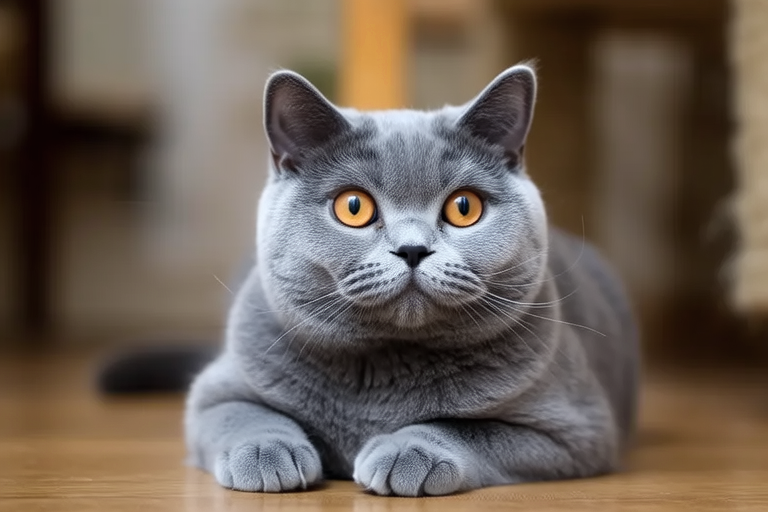
American Shorthair Cats – A Complete Guide for New and Future Owners
Welcome to your comprehensive guide on American Shorthair cats! Whether you’re a first-time owner or planning to welcome one into your family, this guide will provide all the essential information you need to ensure your cat leads a happy, healthy life.
Breed History
The American Shorthair is one of the oldest breeds in North America. Originating from European working cats brought over by early settlers, these felines were prized for their hunting prowess, helping to control rodent populations. Over time, they adapted to the new environment, evolving into the robust and hardy breed we know today. The breed was officially recognized in 1906, and since then, it has maintained its reputation as a reliable and affectionate companion.
Physical Characteristics
American Shorthairs are medium to large-sized cats with a sturdy build. They have a broad chest, muscular legs, and a strong, well-balanced body. Their heads are round with a gentle curve, and their eyes are typically green, copper, or blue. One of their most striking features is their short, dense coat that comes in various colors and patterns, making each cat unique.
Temperament
American Shorthairs are known for their calm and even temperaments. They are affectionate without being overly demanding, making them ideal for families with children or other pets. Dr. Jane Smith, a veterinarian, notes, “These cats are incredibly patient and gentle, which makes them perfect for households with young children.” Their adaptability means they can thrive in both bustling homes and quieter environments.
Health Considerations
While generally healthy, American Shorthairs can be prone to certain conditions like hip dysplasia and hypertrophic cardiomyopathy (HCM). Regular check-ups at the vet are crucial for early detection and management of these issues. Ensuring your cat maintains a healthy weight through proper diet and exercise is also vital.
Dietary Needs
American Shorthairs require a balanced diet rich in proteins and fats to maintain their muscle mass and energy levels. High-quality commercial cat food is usually sufficient, but consult your vet for personalized recommendations based on your cat’s age, activity level, and any specific health needs. Avoid feeding them table scraps or human foods that could be harmful.
Grooming Tips
Despite their short coats, American Shorthairs still benefit from regular grooming. Brushing them once a week helps remove loose hair and prevents matting. This also provides an opportunity to check for any skin issues or parasites. Bathing is generally unnecessary unless they get particularly dirty.
Exercise Requirements
American Shorthairs are moderately active and enjoy interactive play. Providing toys that encourage movement, such as feather wands or laser pointers, can help keep them mentally stimulated and physically fit. Incorporating play sessions into your daily routine not only keeps them entertained but also strengthens the bond between you and your pet.
Common Behaviors
These cats are known for their curiosity and intelligence. They often engage in playful antics, exploring every corner of their environment. Some may develop specific routines, like preferring certain perches or becoming attached to particular household items. Understanding and respecting these behaviors can enhance your relationship with your cat.
Training Methods
Training an American Shorthair can be rewarding. Positive reinforcement techniques, such as treats and praise, work best. Teaching basic commands like ‘come’ or ‘stay’ can make handling easier during vet visits or when introducing new pets. Consistency and patience are key to successful training.
Advice on Integrating Into Households
Introducing a new American Shorthair to your home requires careful planning. Start by setting up a quiet space equipped with essentials like a litter box, food and water bowls, and a comfortable bed. Gradually introduce them to other household members and pets, ensuring each interaction is positive. For instance, allowing them to observe from a distance before direct contact helps reduce stress.
Real-Life Example: Sarah’s Experience
Sarah recently adopted an American Shorthair named Whiskers. She shared, “The transition was smoother than expected thanks to thorough preparation. I created a cozy corner in my living room where Whiskers felt safe. Within days, he was exploring the entire house and interacting with everyone comfortably.”
Conclusion
Owning an American Shorthair cat is a rewarding experience filled with love and companionship. By understanding their unique needs and providing appropriate care, you can ensure a long, joyful life together. Remember, each cat is an individual, so tailor your approach based on your pet’s personality and preferences. Happy pet parenting!
