The Historical Journey and Cultural Significance of the Turkish Angora Cat
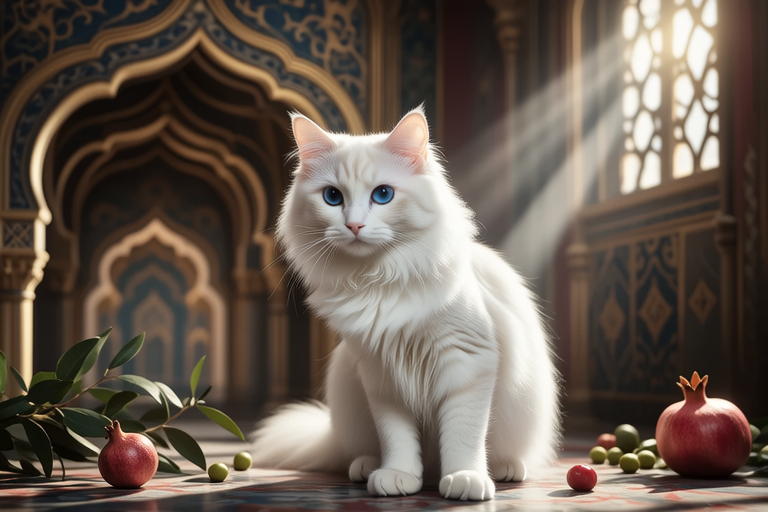
The Turkish Angora, with its striking white coat and captivating blue eyes, has been a symbol of elegance and grace for centuries. Originating from the heart of Anatolia, these cats have captivated the imaginations of people across the globe. From the opulent Ottoman palaces to contemporary households, the Turkish Angora has left an indelible mark on history and culture.
Origins in Ottoman Palaces
The Turkish Angora’s roots trace back to the ancient city of Ankara (formerly known as Angora), located in central Turkey. These cats were highly valued in the Ottoman Empire, where they were often kept in royal harems and palaces. The breed’s association with nobility and royalty has contributed to its enduring allure. In these luxurious settings, Turkish Angoras were pampered and admired for their beauty and intelligence.
Cultural Significance
The Turkish Angora has played a significant role in Turkish culture and folklore. In Turkish mythology, these cats are often associated with good luck and protection against evil spirits. Their presence in homes was believed to ward off negative energies, making them valuable companions. Additionally, Turkish Angoras have been featured in various works of literature and art, symbolizing grace, purity, and mystery.
Unique Physical Traits
Turkish Angoras are known for their long, silky coats and elegant appearance. They typically have a medium-sized, muscular body, complemented by a graceful neck and tail. Their large, expressive blue eyes are one of their most distinctive features, though some Turkish Angoras can also have green or odd-colored eyes. The breed’s silky fur is fine and light, making them appear almost ethereal. Despite their delicate appearance, Turkish Angoras are surprisingly robust and agile.
Temperament
Turkish Angoras are renowned for their playful and affectionate nature. They are highly social animals that thrive on human interaction and attention. These cats are intelligent and curious, often engaging in playful antics and exploring their surroundings. Their gentle demeanor and loving nature make them ideal companions for families and individuals alike. However, Turkish Angoras can be somewhat independent, requiring a balance of affection and space.
Legendary History
The Turkish Angora has a rich and storied history, with tales of its magical abilities and mysterious origins. One such legend tells of a Turkish Angora who saved a village from a plague by leading villagers to a hidden spring. Another story recounts the cat’s ability to predict earthquakes, offering early warnings to inhabitants. These legends have contributed to the breed’s mystique and have been passed down through generations.
Notable Mentions in Literature, Art, and Folklore
The Turkish Angora has been featured in numerous works of literature and art, further cementing its place in cultural history. In Turkish literature, the breed has been celebrated for its beauty and grace, often serving as a metaphor for elegance and refinement. In paintings and sculptures, Turkish Angoras have been depicted alongside royal figures and mythical creatures, symbolizing power and prestige. Additionally, Turkish Angoras have been referenced in folktales and myths, adding to their enigmatic reputation.
Status Evolution Over Centuries
The status of the Turkish Angora has evolved significantly over the centuries. Initially, these cats were considered sacred and were only owned by the elite. As time progressed, the breed became more accessible to the general public, though it remained a symbol of luxury and sophistication. Today, Turkish Angoras are cherished by cat enthusiasts worldwide, appreciated for their unique beauty and charming personalities.
Role in Modern Breeding Programs
In modern times, Turkish Angoras play a crucial role in breeding programs aimed at preserving and enhancing their distinct characteristics. Breeders work diligently to maintain the breed’s signature traits, including its long, silky coat and striking blue eyes. Through careful selection and breeding, these cats continue to embody the elegance and grace that have made them so beloved. Conservation efforts are also underway to ensure the breed’s longevity and genetic diversity.
Impact of Selective Breeding
Selective breeding has had both positive and negative impacts on the Turkish Angora breed. On one hand, it has allowed breeders to enhance desirable traits, such as the breed’s sleek appearance and friendly temperament. On the other hand, selective breeding has also led to certain health issues, particularly related to eye and ear problems. Efforts are being made to address these concerns and promote healthier breeding practices.
Why Turkish Angoras Remain Cherished
Turkish Angoras remain cherished by cat enthusiasts worldwide due to their unique combination of beauty, intelligence, and affection. Their elegant appearance and gentle nature make them ideal companions for those seeking a loving and playful feline friend. Additionally, the breed’s rich history and cultural significance add to its appeal, making Turkish Angoras a true treasure among cat lovers.
