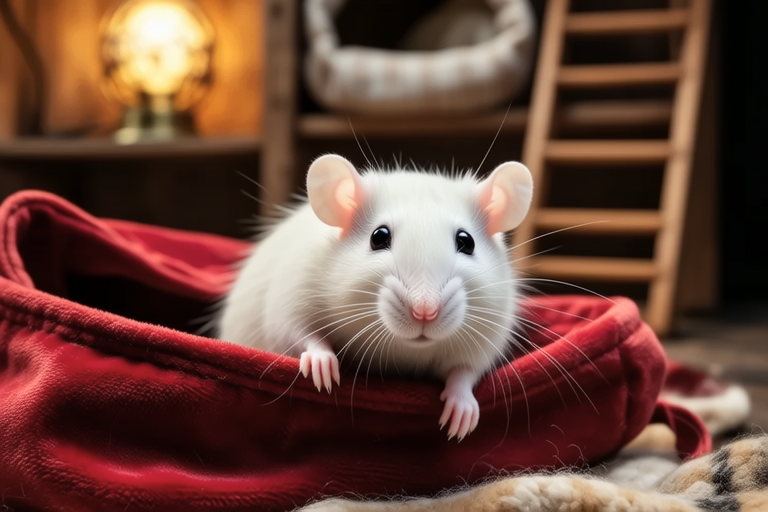
From Pouch to Palace: The Rise of the Fancy Rat as a Pet Darling
The journey of the fancy rat from its humble origins in the wild to becoming a cherished pet in homes around the world is nothing short of remarkable. Once considered mere pests, these small rodents have undergone a profound transformation, thanks to shifts in public perception and significant contributions from various individuals and organizations.
The term ‘fancy rat’ refers to domesticated strains of the brown rat (Rattus norvegicus) that have been selectively bred for their appearance and temperament over generations. These rats are descendants of those first brought to Europe during the Middle Ages, where they were initially seen as carriers of disease and vermin. However, through selective breeding and improved understanding, fancy rats have evolved into intelligent, clean, and sociable pets.
Historical Moments Shaping the Fancy Rat’s Journey
The path to acceptance as a pet began with the recognition of rats’ value in scientific research. In the early 20th century, researchers found that rats were ideal subjects due to their genetic similarity to humans and ease of handling. This led to the establishment of standardized breeding practices, which inadvertently laid the groundwork for the modern fancy rat.
A pivotal moment came when fanciers started showcasing these animals at exhibitions, celebrating their diverse coat colors and patterns. By the mid-20th century, the British Royal Society for the Prevention of Cruelty to Animals (RSPCA) began promoting rats as suitable pets, further challenging negative perceptions. The publication of books like “The Complete Book of Rats” by Dave Friedman in 1987 helped demystify rats and highlighted their potential as affectionate companions.
Unique Characteristics of Fancy Rats
Fancy rats possess several endearing qualities that make them appealing pets. Their intelligence is one of their most notable traits; they can learn tricks, recognize owners, and even respond to their names. Their cleanliness is another plus; they groom themselves meticulously, much like cats, and produce little odor.
Social nature is perhaps the defining characteristic of fancy rats. They thrive in pairs or groups, forming strong bonds with both humans and other rats. Their playful behavior and curiosity make them delightful companions, always ready for interaction and exploration.
Debunking Common Misconceptions
Despite their growing popularity, many people still harbor misconceptions about rats. One widespread myth is that rats carry diseases. While it is true that rats can host pathogens, the risk is minimal when proper hygiene and precautions are taken. Regular cleaning of their living spaces and good handwashing habits significantly reduce any potential health risks.
Another misconception is that rats are dirty animals. As mentioned earlier, rats are meticulous groomers and prefer clean environments. Providing them with a well-maintained habitat ensures they remain healthy and content.
Influencers Elevating the Status of Rats
Several notable figures have played crucial roles in elevating the status of rats as pets. Celebrities like Wayne Newton and Bob Barker have openly owned and promoted rats, helping to change public perception. Organizations such as the National Fancy Rat Society (NFRS) continue to advocate for the welfare of these animals, organizing shows and providing resources for enthusiasts.
The internet has also been instrumental in spreading awareness. Social media platforms teem with videos and photos of fancy rats performing tricks, playing with toys, and interacting with their human families, showcasing their charming personalities.
Tips for Prospective Rat Owners
For those considering adopting a fancy rat, here are some essential tips:
- Housing: Provide a spacious cage with multiple levels, adequate bedding, and enrichment items like tunnels and chew toys.
- Diet: Offer a balanced diet consisting of high-quality pellets, fresh vegetables, and occasional treats.
- Health: Schedule regular check-ups with a veterinarian specializing in exotic pets. Watch for signs of illness, such as lethargy, loss of appetite, or discharge from eyes or nose.
- Training: Use positive reinforcement techniques to teach your rat fun tricks and commands. Patience and consistency are key.
Remember, adopting a fancy rat is a long-term commitment. These animals can live up to three years, requiring consistent care and attention. With proper nurturing, you’ll find yourself with a loyal and loving companion who brings joy and entertainment to your home.
