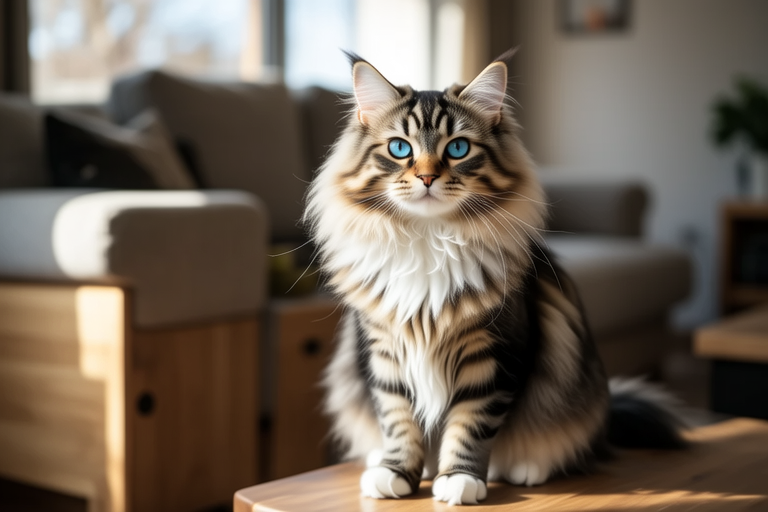
Unveiling the Majestic: All You Need to Know About Maine Coons
The Maine Coon is one of the largest domesticated breeds of cats, known for its intelligence, playfulness, and gentle nature. With a history that spans centuries, this breed has captured the hearts of many pet lovers. This article aims to provide a comprehensive guide to the Maine Coon, covering everything from its origins and physical characteristics to its care and compatibility with various households.
Origin and Historical Background
The exact origins of the Maine Coon remain shrouded in mystery, but several theories have been proposed over the years. One popular legend suggests that the breed descended from longhaired cats brought to America by Marie Antoinette during her ill-fated escape attempt from France. While this story adds a touch of romance to the breed’s history, it lacks historical evidence. A more plausible theory posits that the Maine Coon is the result of matings between local short-haired cats and long-haired breeds brought to America by European settlers.
Historically, the Maine Coon was a working cat, adept at controlling rodent populations on farms and ships. Their large size and thick fur made them well-suited to the harsh New England winters. By the late 19th century, the breed had gained popularity in cat shows, with one of the first recorded instances being in 1861 at the Skowhegan Fair in Maine. The breed faced a decline in popularity around the turn of the 20th century, but dedicated breeders worked tirelessly to preserve and promote the Maine Coon, leading to its resurgence in the mid-20th century.
Distinctive Physical Traits
Maine Coons are renowned for their robust physique and impressive size. Adult males typically weigh between 13 to 18 pounds, while females range from 9 to 12 pounds. They can reach lengths of up to 40 inches, including their long, bushy tails. This breed’s large paws, which sometimes feature tufts of fur between the toes, contribute to their snowshoe-like appearance, aiding in mobility through deep snow.
Their coats are another defining characteristic. Maine Coons possess a water-resistant, semi-longhair coat that comes in a variety of colors and patterns. The coat is generally thicker around the neck, creating a ruff that resembles a lion’s mane. Common color combinations include brown tabby, seal tabby, and blue tabby, though nearly all recognized colors and patterns are possible. The texture of their fur is silky and smooth, with minimal shedding compared to other long-haired breeds, thanks to their dense undercoat.
Temperament and Personality
Maine Coons are often referred to as ‘gentle giants’ due to their affectionate and laid-back demeanor. Despite their large size, they are incredibly agile and playful, with a curiosity that keeps them engaged with their surroundings. They are known for their friendly disposition towards humans and other animals, making them excellent companions for families with children or homes with multiple pets.
This breed’s intelligence is another notable trait. Maine Coons are quick learners and can be trained to perform simple tricks or respond to basic commands. They enjoy interactive toys and puzzle feeders, which help keep their minds sharp. Their sociability extends beyond just family members; they are equally comfortable around guests, often greeting visitors with purrs and headbutts.
Care Tips
Dietary Needs
Providing a balanced diet is crucial for maintaining the health of your Maine Coon. High-quality cat food rich in proteins and fats is recommended, as these nutrients support muscle development and coat health. Avoid foods high in fillers or artificial preservatives, which can lead to obesity and other health issues. Fresh water should always be available to ensure proper hydration.
Grooming Routines
Despite their luxurious coats, Maine Coons require relatively low maintenance grooming. Weekly brushing helps remove loose hair and prevents matting. During shedding seasons, especially in spring and fall, more frequent brushing may be necessary to manage excess fur. Bathing is rarely needed unless the cat gets particularly dirty, as their natural oils help keep their coat clean and healthy.
Common Health Issues
Like any breed, Maine Coons are susceptible to certain health conditions. Hypertrophic cardiomyopathy (HCM), a form of heart disease, is one of the most serious concerns. Regular veterinary check-ups, including cardiac evaluations, are essential for early detection and management of this condition. Polycystic kidney disease (PKD) is another inherited disorder that affects some Maine Coons. Responsible breeding practices can help reduce the prevalence of these genetic diseases.
Compatibility with Families and Other Pets
Maine Coons are highly adaptable and thrive in environments where they receive plenty of attention and interaction. They are generally good with children, provided the children are taught to handle the cat gently. Their patience and tolerance make them ideal companions for families with young kids who may not yet understand how to interact with pets appropriately.
When introduced properly, Maine Coons can coexist harmoniously with other pets, including dogs and smaller animals. Early socialization and supervised interactions are key to fostering positive relationships. Their calm demeanor and lack of aggression towards other animals make them well-suited for multi-pet households.
In conclusion, the Maine Coon is a remarkable breed that combines beauty, intelligence, and affection. Whether you’re a seasoned cat owner or considering adding a feline friend to your family, the Maine Coon offers a unique blend of charm and companionship. With proper care and attention, these gentle giants can bring joy and warmth to any home.
