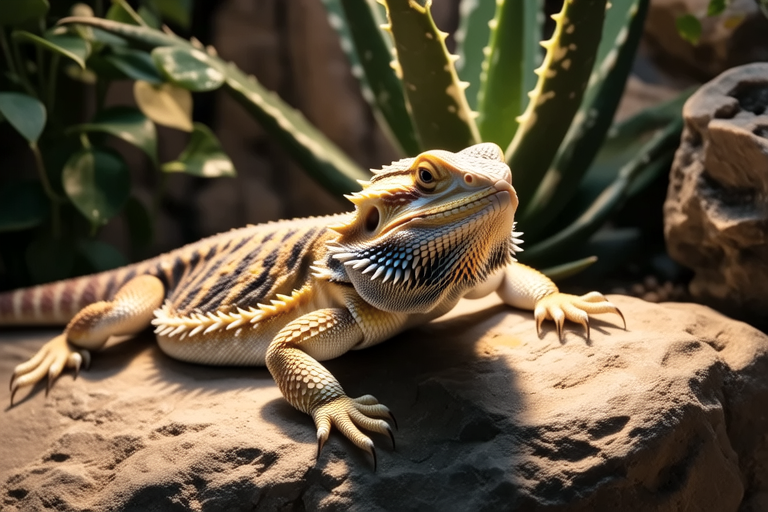
5 Essential Tips for Keeping Your Bearded Dragon Happy and Healthy
In recent years, bearded dragons have become one of the most popular choices for pet owners seeking a unique and captivating companion. Known for their friendly demeanor, vibrant colors, and relatively low maintenance, these lizards are a favorite among both novice and experienced reptile enthusiasts. With the right care and attention, your bearded dragon can thrive and bring joy to your household for many years. This article will provide you with five essential tips to ensure your bearded dragon remains happy and healthy.
Tip 1: Proper Diet – A Balanced Meal for a Happy Dragon
Feeding your bearded dragon a well-balanced diet is crucial for its overall health and longevity. These omnivorous creatures require a mix of insects and vegetables to meet their nutritional needs. The primary component of their diet should consist of live insects such as crickets, dubia roaches, and mealworms. It’s important to vary the types of insects to provide a wide range of nutrients. For example, crickets are high in protein, while dubia roaches offer more calcium and fat. Always ensure that the insects you feed are gut-loaded, meaning they have been fed nutritious food themselves before being offered to your dragon.
Vegetables also play a significant role in your bearded dragon’s diet. Dark leafy greens like collard greens, mustard greens, and dandelion greens are excellent choices. Other vegetables such as squash, carrots, and bell peppers can be included but should be given in moderation due to their higher sugar content. Avoid feeding your dragon iceberg lettuce, spinach, or rhubarb, as these can cause digestive issues or even be toxic.
Dusting insects with a calcium supplement is necessary, especially for younger dragons, to prevent metabolic bone disease. Calcium deficiency can lead to weakened bones and other serious health problems. Additionally, multivitamin supplements can be provided once or twice a week to ensure your dragon gets all the necessary vitamins and minerals.
Tip 2: Lighting and Temperature – Creating the Perfect Environment
Bearded dragons originate from the arid regions of Australia, where they are exposed to intense sunlight. To replicate this environment, it’s vital to provide appropriate lighting and temperature conditions in their enclosure. A basking spot with temperatures ranging between 95-110°F (35-43°C) is essential for digestion and metabolism. You can achieve this by placing a heat lamp or ceramic heater above one side of the tank. Ensure that the other side remains cooler, around 75-85°F (24-29°C), so your dragon can thermoregulate by moving between the two areas.
UVB lighting is equally important as it allows your dragon to synthesize vitamin D3, which aids in calcium absorption. Without UVB light, your dragon may develop metabolic bone disease despite having a calcium-rich diet. Choose a UVB bulb specifically designed for reptiles and replace it every six months, even if it still appears functional. Position the light so that it provides direct exposure to the basking area. Keep the UVB light on for approximately 10-12 hours per day to mimic natural daylight cycles.
Maintaining the correct humidity level is also crucial. Bearded dragons prefer a dry environment, so avoid over-misting the tank. Aim for humidity levels between 30-40%. This can be achieved by providing a shallow water dish and occasionally misting the enclosure, but be sure to allow it to dry out completely between mistings.
Tip 3: Appropriate Housing – Providing Space and Comfort
The size of your bearded dragon’s enclosure is directly related to its age and size. As a general guideline, a juvenile bearded dragon requires at least a 20-gallon tank, while adults need a minimum of 40 gallons. However, bigger is always better when it comes to housing. A spacious environment allows your dragon to move around freely, exercise, and explore. This is particularly important for their physical and mental well-being.
The setup of the enclosure is just as important as its size. Include various climbing structures such as branches, rocks, and caves to encourage exploration and provide hiding spots. Bearded dragons are territorial animals and appreciate having places where they can retreat and feel secure. Ensure that any decorations are securely fastened and free of sharp edges to prevent injuries.
Substrate is another critical aspect of housing. While some owners opt for loose substrates like sand, they can pose a risk of impaction if ingested. Instead, consider safer alternatives such as reptile carpet, paper towels, or tile. These substrates are easier to clean and less likely to cause health issues. Regular cleaning of the enclosure is necessary to maintain hygiene and prevent the buildup of bacteria or parasites.
Tip 4: Regular Handling and Social Interaction – Building a Bond
Handling your bearded dragon regularly helps build trust and strengthens the bond between you and your pet. Start by allowing your dragon to get used to your presence by sitting near its enclosure without disturbing it. Once it feels comfortable, gently scoop it up, supporting its body firmly but not too tightly. Bearded dragons can be delicate, so handle them with care, especially around their tails and limbs.
Initially, limit handling sessions to short durations, gradually increasing the time as your dragon becomes more accustomed to human contact. Frequent interactions help reduce stress and make your dragon more approachable. It’s also beneficial for their mental stimulation and can prevent boredom, which can sometimes lead to behavioral issues.
During handling, engage your dragon with gentle play and activities. You can introduce toys or create obstacle courses using safe materials to encourage exploration and problem-solving. Remember that each bearded dragon has its own personality, so observe their reactions and adjust your handling style accordingly. Some dragons may enjoy more frequent interaction, while others may prefer shorter, less frequent sessions.
Tip 5: Hygiene and Veterinary Care – Ensuring Long-Term Health
Maintaining good hygiene practices is essential for preventing illness and ensuring the long-term health of your bearded dragon. Regular cleaning of the enclosure, substrate, and accessories is necessary to remove waste, uneaten food, and shed skin. Use a reptile-safe disinfectant to sanitize the tank and its contents, following the manufacturer’s instructions carefully. After handling your dragon, wash your hands thoroughly to avoid transferring bacteria or parasites.
Visiting a reptile veterinarian is another crucial aspect of bearded dragon care. Many pet stores offer basic care information, but a qualified veterinarian can provide expert advice tailored to your dragon’s specific needs. Schedule regular check-ups to monitor your dragon’s health and address any potential issues early on. If you notice signs of illness such as lethargy, loss of appetite, or abnormal behavior, consult a veterinarian immediately.
It’s also important to be aware of common health issues that can affect bearded dragons. Metabolic bone disease, respiratory infections, and parasites are among the most prevalent concerns. By staying informed and proactive about your dragon’s care, you can significantly reduce the risk of these conditions and ensure a healthier life for your pet.
Conclusion: Embrace Responsible Pet Ownership and Continuous Learning
Owning a bearded dragon is a rewarding experience that brings joy and companionship into your home. By following these five essential tips – providing a balanced diet, creating the perfect environment, offering appropriate housing, fostering regular handling and social interaction, and maintaining hygiene and veterinary care – you can ensure your dragon leads a happy and healthy life. However, remember that responsible pet ownership involves continuous learning and adaptation. Stay informed about the latest advancements in reptile care, and don’t hesitate to seek guidance from experienced breeders, veterinarians, and fellow reptile enthusiasts. With dedication and care, you and your bearded dragon can share many wonderful years together.
