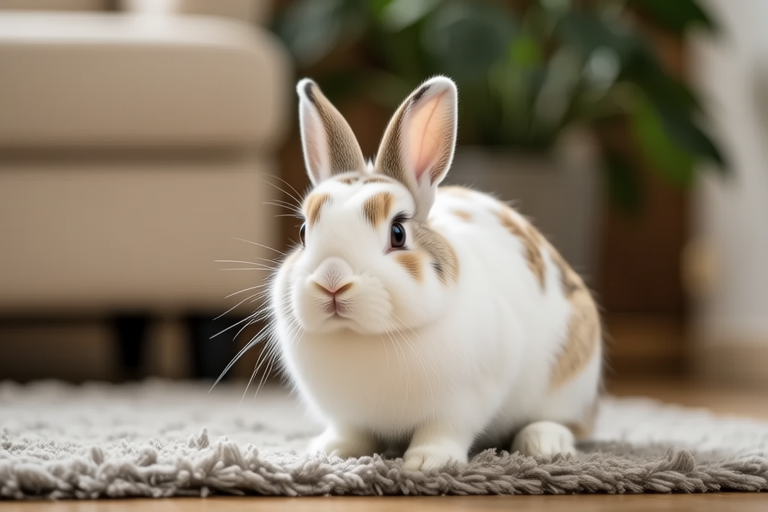
The Perfect Pet for Small Spaces: How Dutch Dwarf Rabbits Can Thrive in Your Home
Welcome to the world of Dutch Dwarf rabbits! If you’re considering adopting a pet but live in a small space, these adorable creatures might just be your perfect match. Known for their compact size, gentle demeanor, and minimal maintenance, Dutch Dwarfs are ideal for apartment dwellers or those with limited outdoor areas. This article will guide you through everything you need to know about owning a Dutch Dwarf rabbit, from their size and temperament to care requirements and environmental enrichment.
Understanding Dutch Dwarf Rabbits
Dutch Dwarfs are one of the smallest breeds of domestic rabbits, weighing between 1.8 and 2.3 kilograms (4 to 5 pounds) when fully grown. Their petite stature makes them particularly well-suited for smaller homes. With their short, dense coats and distinctive markings, these rabbits come in a variety of colors, including black, blue, chocolate, and white.
Despite their diminutive size, Dutch Dwarfs have robust personalities. They are curious, playful, and highly social animals that enjoy interaction with their human companions. Their docile nature and ease of handling make them excellent pets for families with children, provided that the children are taught proper handling techniques.
Care Requirements for Dutch Dwarf Rabbits
While Dutch Dwarfs may seem like low-maintenance pets due to their small size, they still require careful attention to ensure their well-being. Proper housing, diet, grooming, and exercise are essential aspects of caring for these rabbits.
Housing
A spacious cage is crucial for Dutch Dwarfs. The cage should be at least 60 centimeters (24 inches) long, 45 centimeters (18 inches) wide, and 45 centimeters (18 inches) high. However, it’s always better to provide as much space as possible within the confines of your home. In addition to the cage, Dutch Dwarfs should have access to a safe, enclosed area where they can roam freely under supervision.
Line the bottom of the cage with absorbent bedding such as paper-based products or recycled newspaper litter. Avoid cedar or pine shavings, which can cause respiratory problems. Provide a solid surface for sleeping, such as a wooden house or a sturdy cardboard box lined with soft bedding. Additionally, include toys, tunnels, and chewable items to stimulate mental and physical activity.
Diet
A balanced diet is key to keeping your Dutch Dwarf healthy. Feed them high-quality pellets designed specifically for rabbits, along with fresh hay, leafy greens, and occasional treats. Timothy hay is especially beneficial as it aids digestion and promotes dental health. Fresh water should be available at all times.
Avoid giving your rabbit foods that could be harmful, such as iceberg lettuce, rhubarb, avocado, or chocolate. Introduce new foods gradually to prevent digestive upset. Consult your veterinarian for specific dietary recommendations based on your rabbit’s age, weight, and overall health.
Grooming
Regular grooming helps maintain your rabbit’s coat and skin health. Brush your Dutch Dwarf weekly to remove loose hair and prevent hairballs. Use a slicker brush or fine-toothed comb, depending on the density of their coat. Bathing is generally unnecessary unless your rabbit gets excessively dirty. When bathing, use a gentle shampoo formulated for rabbits and rinse thoroughly.
Exercise
Dutch Dwarfs need regular exercise to stay fit and mentally stimulated. Allow them supervised time outside their cage each day. A secure, rabbit-proof room or a large playpen provides a safe environment for them to hop around and explore. Remove any potential hazards, such as electrical cords or small objects they might ingest.
Supervised outdoor play is also beneficial, but only if you can ensure their safety from predators and extreme weather conditions. Always supervise your rabbit during outdoor activities and return them to a secure indoor environment before nightfall.
Creating a Safe and Enriching Environment
To thrive in your home, Dutch Dwarfs require a stimulating and safe environment. Here are some tips to create an enriching space:
- Provide hiding spots: Rabbits feel more secure when they have places to hide. Offer boxes, tunnels, or enclosed areas within their cage or play area.
- Offer toys: Rotate toys regularly to keep your rabbit engaged. Balls, chew toys, and puzzle feeders are great options.
- Establish a routine: Rabbits thrive on consistency. Establish a daily schedule for feeding, playtime, and grooming.
- Minimize stress: Keep noise levels moderate and avoid sudden movements or loud noises near your rabbit.
Common Health Issues and Prevention
Like all pets, Dutch Dwarfs can face certain health challenges. Being aware of these issues allows you to take preventive measures and catch problems early.
Respiratory Infections
Upper respiratory infections are common in rabbits, often caused by poor ventilation or exposure to drafts. To prevent respiratory issues, ensure your rabbit’s living area has good air circulation without direct drafts. Clean the cage regularly to reduce dust and ammonia buildup.
Teeth Problems
Rabbits’ teeth grow continuously throughout their lives. Without proper wear, overgrown teeth can lead to painful abscesses or difficulty eating. Providing plenty of hay and chew toys helps wear down their teeth naturally. Regular veterinary checkups can help monitor tooth growth and address any issues promptly.
Gastrointestinal Stasis
This condition occurs when a rabbit’s digestive system slows down or stops moving entirely. It can be life-threatening if not treated promptly. Symptoms include decreased appetite, lethargy, and fewer or no droppings. Feeding a high-fiber diet, providing ample hay, and encouraging regular exercise can help prevent gastrointestinal stasis. If you suspect your rabbit is experiencing this issue, contact your veterinarian immediately.
Feeding, Grooming, and Exercising Dutch Dwarf Rabbits
Proper feeding, grooming, and exercise routines are vital for maintaining your Dutch Dwarf’s health and happiness.
Feeding
As mentioned earlier, a balanced diet is crucial. Ensure your rabbit has constant access to fresh hay, which should form the bulk of their diet. Pellets should be offered in moderation, while fresh vegetables and fruits can be given as occasional treats. Monitor your rabbit’s weight and adjust their portion sizes accordingly.
Grooming
Regular grooming keeps your rabbit’s coat clean and healthy. Brush them weekly, paying special attention to areas prone to matting. Trim their nails every few weeks if necessary, and consult a professional groomer if you’re unsure about how to do this safely.
Exercising
Dutch Dwarfs benefit from daily exercise. Provide them with ample space to move around, and engage them in interactive play sessions. Toys that encourage jumping, digging, and chewing can enhance their physical and mental stimulation.
Why Dutch Dwarf Rabbits Make Ideal Companions for Small-Space Owners
Dutch Dwarfs are delightful companions for those living in small spaces. Their manageable size, affectionate nature, and relatively low maintenance requirements make them an excellent choice for apartment dwellers or those with limited outdoor areas. By providing them with proper care, attention, and enrichment, you can ensure that your Dutch Dwarf rabbit leads a happy, healthy life.
Remember, owning a pet is a significant commitment. Take the time to research and prepare adequately before bringing a Dutch Dwarf rabbit into your home. With love, patience, and care, you’ll enjoy many years of companionship with these charming little creatures.
