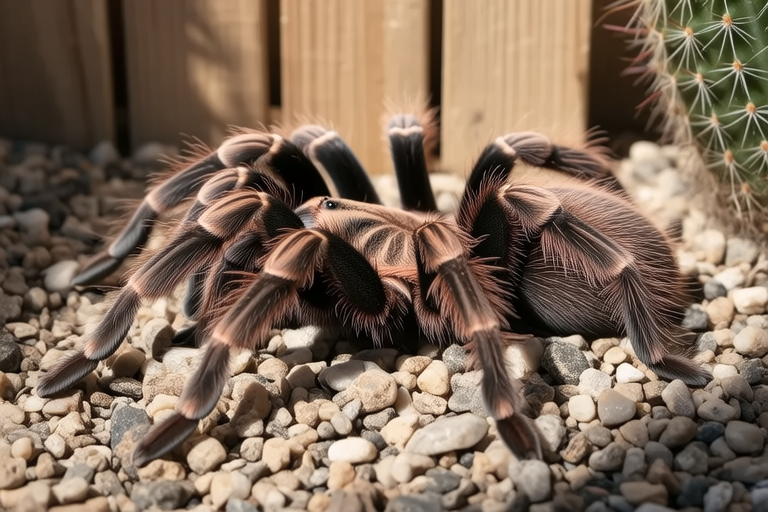
Life with a Tarantula: What Every Owner Needs to Know
Welcome to the world of tarantulas! These fascinating creatures have long been misunderstood, often perceived as terrifying arachnids. However, for those who dare to look beyond the myths, tarantulas can make rewarding, low-maintenance pets. Whether you’re a seasoned arachnid enthusiast or considering your first exotic pet, this guide will provide everything you need to know about life with a tarantula.
The Fascinating World of Tarantulas
Tarantulas belong to the family Theraphosidae and come in various sizes, colors, and temperaments. With over 900 species worldwide, there’s a tarantula to suit every owner’s preference. They range from small species like the Mexican Red Rump to giants like the Goliath Birdeater. Each species has its unique characteristics, so it’s crucial to research before making a purchase.
Essential Facts About Tarantula Care
Owning a tarantula requires specific knowledge and commitment. Here are some key points to consider:
- Habitat: Provide a spacious, well-ventilated enclosure that mimics their natural environment. The size depends on the species; a general rule is at least three times the leg span of the tarantula.
- Substrate: Use appropriate substrate, such as coconut fiber or bark chips, to maintain humidity and allow burrowing.
- Temperature and Humidity: Maintain temperatures between 75-85°F (24-29°C) and humidity levels suitable for the specific species.
- Feeding: Feed appropriately sized insects, such as crickets, mealworms, or dubia roaches. Avoid overfeeding to prevent obesity.
- Cleaning: Regularly clean the enclosure to prevent disease and maintain hygiene.
Common Misconceptions About Tarantulas
Many people are deterred by common myths about tarantulas. Let’s debunk some:
- Aggression: Most tarantulas are docile and rarely aggressive towards humans.
- Poisonous Bites: While all tarantulas have venom, most bites are no worse than a bee sting for humans.
- Longevity: Some species can live up to 20 years or more, making them excellent long-term companions.
Suitable Habitats
Creating a comfortable habitat is crucial for your tarantula’s well-being. A glass tank with a secure lid is ideal. Add a shallow water dish and a hide spot for security. Proper ventilation is vital to avoid mold growth. Ensure the enclosure is escape-proof, as tarantulas are adept climbers.
Diet Requirements
Tarantulas are carnivorous and require a varied diet of live insects. Feeding once or twice a week is usually sufficient. Dust food with calcium and vitamin supplements to ensure proper nutrition. Avoid feeding wild-caught insects, which may carry parasites.
Handling Tips
While tarantulas can be handled, it’s essential to approach them cautiously. Always support the abdomen when gently picking them up. Never grab or squeeze, as this can cause stress or injury. Some species, like the Chilean Rose, are more tolerant of handling, while others prefer minimal interaction.
Health Concerns
Regular monitoring of your tarantula’s behavior and appearance can help detect potential issues early. Common signs of distress include lethargy, refusal to eat, or unusual webbing. Consult a veterinarian specializing in exotic animals if you notice any concerning symptoms.
Ensuring a Happy and Healthy Tarantula
To keep your tarantula thriving, follow these tips:
- Proper Housing: Ensure the enclosure is spacious and mimics the natural environment.
- Consistent Routine: Establish a consistent feeding and cleaning schedule.
- Mental Stimulation: Provide hiding spots and enrich the environment with branches or rocks.
- Respect Their Space: Limit handling to reduce stress.
Unique Aspects of Owning a Tarantula
Compared to more conventional pets, tarantulas offer several unique benefits:
- Low Maintenance: They require less attention and maintenance than dogs or cats.
- Quiet Companions: Tarantulas don’t make noise, perfect for those seeking peace.
- Educational Value: Owning a tarantula can teach responsibility and respect for nature.
Conclusion
Owning a tarantula can be an enriching experience, offering companionship and a unique perspective on the animal kingdom. By understanding their needs and providing proper care, you can ensure a happy and healthy life for your eight-legged friend. Remember, while tarantulas may not be for everyone, they can make wonderful, low-maintenance pets for the right owner.
