Adopting a Maine Coon: Everything You Need to Know Before Bringing One Home
Introduction to Maine Coons – Origin, Size, and Appearance
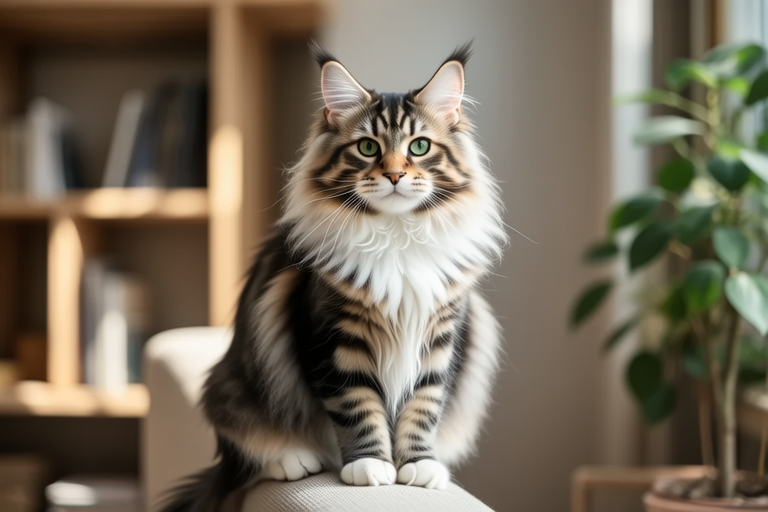
Maine Coons are one of the largest domesticated cat breeds. Originating from the state of Maine in the United States, they are known for their robust build and striking appearance. These cats have a thick, water-resistant coat that is typically semi-longhaired. Their large, bushy tails and tufted ears contribute to their distinctive look. Maine Coons can weigh between 9 to 18 pounds for females and 13 to 25 pounds for males, with some individuals reaching even larger sizes. Their eyes are almond-shaped and can come in various colors, but green and gold are the most common.
Temperament and Personality Traits of Maine Coons
Maine Coons are often described as gentle giants due to their friendly and affectionate nature. They are generally very social and enjoy being around people. Despite their large size, they are surprisingly agile and playful. Maine Coons are known for their curiosity and intelligence, which makes them easy to train. They get along well with children and other pets, making them ideal family companions. Their calm demeanor and loving nature make them excellent therapy animals as well.
Health Considerations Including Common Health Issues and Life Expectancy
Like all breeds, Maine Coons are prone to certain health conditions. Hip dysplasia and hypertrophic cardiomyopathy (HCM) are two significant concerns. Regular veterinary check-ups are crucial to monitor their health and catch any potential issues early. Maine Coons typically live between 12 to 15 years, although some can live longer with proper care. Genetic testing and a healthy lifestyle can help extend their lifespan and improve their quality of life.
Dietary Needs and Feeding Tips Specific to Maine Coons
Maine Coons require a balanced diet rich in protein and essential nutrients. High-quality commercial cat foods formulated for large breeds are recommended. Feeding should be divided into multiple smaller meals throughout the day to prevent overeating and obesity. Fresh water should always be available. Consultation with a veterinarian about dietary supplements may also be necessary, especially if your Maine Coon has specific health needs.
Grooming Requirements and Maintenance Tips
Due to their long fur, Maine Coons need regular grooming to keep their coat healthy and free of mats. Brushing them at least twice a week helps remove loose hair and prevents shedding inside the home. Bathing is usually not necessary unless absolutely required. Nail trimming, ear cleaning, and dental hygiene should also be part of their grooming routine. Regular brushing and attention to grooming details will ensure your Maine Coon stays comfortable and looks its best.
Exercise and Playtime Needs
Maine Coons are active and enjoy engaging in various forms of play. Providing interactive toys such as puzzle feeders, laser pointers, and feather wands can stimulate both their minds and bodies. Daily exercise is important for maintaining their physical and mental health. Consider creating an environment that encourages exploration and play, such as climbing trees or tunnels. Engaging in play sessions with your Maine Coon can strengthen the bond between you and your pet.
Training Methods Suitable for Maine Coons
Training Maine Coons can be rewarding and fun. Positive reinforcement techniques using treats and praise work best. Teaching basic commands like ‘sit’, ‘stay’, and ‘come’ can enhance communication and obedience. Clicker training is another effective method for shaping desired behaviors. Consistency and patience are key when training your Maine Coon. Early socialization and training can help prevent behavioral issues and ensure a well-adjusted companion.
Socialization and Interaction with Other Pets and Humans
Socializing your Maine Coon from an early age is essential for fostering good behavior around other animals and people. Exposing them to different environments, sounds, and experiences helps them become more adaptable and less fearful. Maine Coons tend to be friendly towards other pets, but introductions should be gradual and supervised. Proper socialization ensures your Maine Coon becomes a well-rounded and sociable member of the household.
Adoption Process Advice and Where to Find Reputable Breeders or Shelters
If you’re considering adopting a Maine Coon, it’s important to research reputable breeders or shelters. Look for breeders who prioritize the health and well-being of their cats. Reputable shelters also offer Maine Coons for adoption. When adopting, ask about the cat’s background, health history, and any special needs. Taking the time to find a responsible source ensures you bring home a healthy and happy feline companion.
Conclusion Summarizing Key Points and Encouraging Responsible Pet Ownership
Bringing a Maine Coon into your home is a wonderful decision that requires commitment and preparation. Understanding their origins, temperament, health needs, dietary requirements, grooming, exercise, training, and socialization will set you up for success. By adopting from a reputable source and providing proper care, you can ensure your Maine Coon leads a long, healthy, and happy life. Responsible pet ownership means being prepared for the long-term commitment and ensuring your Maine Coon receives the love and care it deserves.
