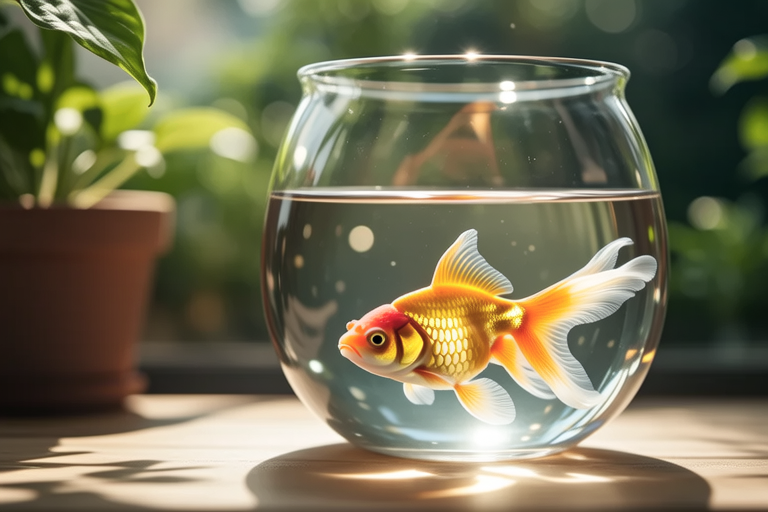
How to Make Your Goldfish Happy (Even If You’re Not a Fish Expert)
So you’ve got a goldfish? Congratulations! These cheerful little swimmers are more than just cute pets—they can bring joy, calm, and even a bit of wonder to your home. But here’s the truth: goldfish aren’t just “bowl fish.” They’re smart, social creatures with needs that go far beyond a tiny glass jar on a windowsill.
The good news? You don’t need a PhD in aquatic biology to give your goldfish a great life. With just a few simple steps, you can create a happy, healthy environment—even if you’re new to fishkeeping. Let’s dive into what really matters, step by step.
—
Start Right: Tank Size Matters More Than You Think
One of the biggest myths out there is that goldfish can thrive in small bowls. Nope—this is not true. Goldfish grow larger than most people expect (some can reach 12 inches or more!), and they produce a lot of waste. A tiny bowl simply can’t handle that.
✅ **What You Need:**
– A tank of at least **20 gallons** for one goldfish.
– For each additional goldfish, add another 10–15 gallons.
– A wide, horizontal tank is better than a tall, narrow one—it gives them more swimming space.
Think of it like this: a goldfish isn’t a decoration. It’s a living creature with room to stretch, explore, and stay active. A spacious tank helps reduce stress and keeps their water clean longer.
—
Filter It Right: Clean Water Is Non-Negotiable
Your goldfish doesn’t care how pretty your tank looks—it cares about clean, safe water. Without a filter, waste builds up fast, toxins rise, and your fish will get sick.
✅ **Keep It Clean with:**
– A reliable filter rated for your tank size.
– Regular maintenance: rinse the filter media every 2–4 weeks (don’t replace it all at once—good bacteria live there!).
– Avoid overcleaning the tank—doing it too often disrupts beneficial bacteria.
A filter does more than just remove debris. It houses helpful bacteria that break down harmful ammonia and nitrites—two toxic substances goldfish produce naturally. Without these bacteria, your fish could suffer from “ammonia poisoning,” which is painful and deadly.
—
Water Quality: The Secret Ingredient to Longevity
Clean water isn’t just about looking clear—it’s about chemistry. Goldfish are sensitive to sudden changes in pH, hardness, and chemical levels.
✅ **Simple Water Care Tips:**
– Test your water weekly using a basic aquarium test kit (ammonia, nitrite, nitrate).
– Perform a **partial water change every 1–2 weeks**—about 25% of the tank volume.
– Always use **dechlorinated water** (tap water left out for 24 hours or treated with a water conditioner).
Avoid the temptation to do full water changes. That shocks your fish and wipes out the good bacteria in your filter. Small, regular changes keep things stable.
—
Feeding Smart: Less Is Often More
It’s tempting to feed your goldfish whenever you see them staring at you through the glass—but overfeeding is one of the leading causes of fish illness.
✅ **Golden Rules for Feeding:**
– Feed **only what they can eat in 2 minutes**.
– Offer food **once or twice a day**, not more.
– Use high-quality flakes or pellets designed for goldfish (not tropical fish food!).
Goldfish have slow metabolisms and don’t need constant snacks. Leftover food rots in the tank, polluting the water and creating health hazards.
—
Temperature & Lighting: Keep It Calm and Consistent
Goldfish are cold-water fish, but they still need a stable environment. Sudden temperature swings stress them out and weaken their immune systems.
✅ **Ideal Conditions:**
– Temperature between **65°F and 72°F (18°C–22°C)**.
– No direct sunlight—this can cause algae blooms and heat spikes.
– Use a **thermometer** to monitor the tank daily.
– Provide **10–12 hours of light per day** (natural daylight or a timer-controlled LED light).
Avoid placing your tank near heaters, air conditioners, or drafty windows. A consistent routine helps your fish feel safe and reduces stress.
—
Less Handling, More Watching
Goldfish may seem curious, but they’re not pets you pick up like a cat or dog. Touching them stresses them out, damages their protective slime coat, and can lead to infections.
✅ **Instead, enjoy them by:**
– Watching their movements and personalities.
– Observing their feeding habits.
– Noticing when they’re acting differently.
You don’t need to touch them to bond with them. In fact, the best way to build trust is by being predictable and gentle—just like any pet.
—
Spotting Trouble Early: Signs Your Goldfish Might Be Unhappy
Even the happiest fish can get sick sometimes. Catching issues early means faster recovery—and a happier fish.
Look out for these red flags:
– Lethargy or floating at the surface
– Clamped fins (fins held tightly against the body)
– White spots, fuzzy patches, or frayed edges on fins
– Rapid breathing or gasping at the surface
– Loss of appetite
– Swollen belly or bloating
These signs might mean poor water quality, parasites, infection, or overfeeding. If you notice anything unusual, check your water parameters first. Then consider consulting a vet who specializes in fish.
—
Make It a Home: Add Safe Decorations and Plants
A plain tank might be functional—but it’s not fun. Goldfish love exploring, hiding, and playing. Adding safe decorations makes their world more enriching.
✅ **Safe Additions:**
– Smooth rocks (avoid sharp edges)
– Ceramic caves or tunnels
– Live or artificial plants (real ones help with oxygen and filtration)
– Substrate (gravel or sand) in neutral colors
Just avoid small items that could be swallowed. And never use anything with paint or chemicals—these can leach into the water.
Plants also help naturally absorb waste and improve water quality. Even fake plants can provide visual interest and mental stimulation.
—
Final Thoughts: You Can Do This!
Caring for a goldfish doesn’t require fancy equipment or years of experience. What matters most is consistency, observation, and a little love.
You don’t need to be a fish expert to give your goldfish a wonderful life. You just need to show up—regularly, gently, thoughtfully.
When you set up a proper tank, feed wisely, keep the water clean, and watch for signs of trouble, you’re doing more than just maintaining a fish. You’re giving a sentient creature a chance to thrive.
And honestly? Watching your goldfish glide through the water, darting around its habitat like a tiny, joyful comet—that moment of pure peace? It’s worth every drop of effort.
So take pride in your role as a responsible caregiver. Your goldfish isn’t just surviving—it’s living. And that’s something worth celebrating.
