How to Keep Your Energetic Abyssinian Happy and Healthy at Home
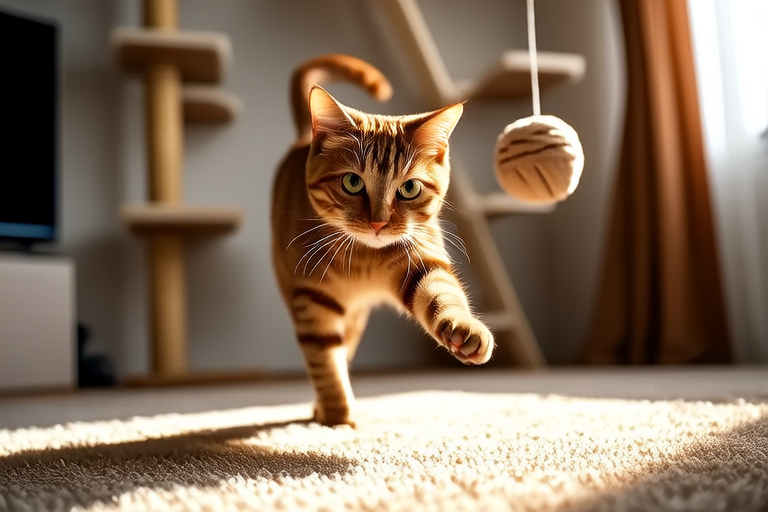
Abyssinians are known for their striking appearance and high energy levels. Their coat, which resembles that of a wild rabbit, and their large, expressive eyes make them stand out among other cat breeds. But beyond their looks, Abyssinians are highly intelligent, curious, and active creatures. This article will guide you through understanding your Abyssinian’s energy levels, creating stimulating environments, interactive play ideas, nutritional needs, grooming tips, common health issues, and signs of a happy and healthy Abyssinian.
Understanding Abyssinian Energy Levels
Abyssinians have a reputation for being one of the most energetic cat breeds. They are constantly on the move, exploring every nook and cranny of their environment. Their high energy levels can be attributed to their genetic heritage, as they are believed to be descendants of cats brought from Ethiopia (formerly Abyssinia) to Britain during the Victorian era.
It is important for owners to understand and accommodate these energy levels. Without proper outlets for their energy, Abyssinians may become bored or even destructive. Providing them with plenty of toys and opportunities for physical activity can help channel their energy positively.
Creating Stimulating Environments
To keep your Abyssinian engaged and stimulated, it is crucial to create an environment that encourages exploration and play. Abyssinians love climbing, so consider installing cat trees with multiple levels and platforms. These structures not only provide vertical spaces but also offer hiding spots that can satisfy their natural hunting instincts.
In addition to vertical spaces, scatter interactive toys around the home. Puzzle feeders, for instance, can challenge your Abyssinian’s mind while providing mental stimulation. These toys require your cat to solve simple puzzles to retrieve treats, keeping them mentally sharp and entertained.
Window perches are another excellent addition to your Abyssinian’s living space. Cats naturally enjoy observing the outside world, and Abyssinians are no exception. A comfortable perch near a window allows them to watch birds, insects, and other wildlife, providing hours of entertainment.
Interactive Play Ideas
Playing with your Abyssinian is essential for both their physical and mental well-being. Here are some interactive play ideas that you can try:
- Feather wands: These toys simulate the movement of birds and insects, appealing to your Abyssinian’s natural hunting instincts.
- Laser pointers: The unpredictable movements of a laser pointer can engage your cat for extended periods. Just remember to end the session by allowing your Abyssinian to catch something tangible, like a toy mouse, to satisfy their predatory drive.
- Ball launchers: These toys shoot small balls or feathers across the room, encouraging your cat to chase after them. Abyssinians particularly enjoy the element of surprise and the challenge of catching moving objects.
- Tunnels and mazes: Create a maze using cardboard boxes or purchase commercially available tunnels. These setups allow your Abyssinian to explore and navigate through different pathways, providing both mental and physical stimulation.
Nutritional Needs
Proper nutrition is vital for maintaining your Abyssinian’s health and energy levels. Abyssinians generally require a balanced diet rich in proteins and fats, as they are descendants of desert-dwelling cats. High-quality cat food that meets the Association of American Feed Control Officials (AAFCO) standards is recommended.
Consult with your veterinarian to determine the appropriate portion sizes based on your Abyssinian’s age, weight, and activity level. Overfeeding can lead to obesity, which is a common issue among indoor cats. On the other hand, underfeeding can result in malnutrition and weakened immune systems.
In addition to regular meals, consider offering occasional treats to reward good behavior or as part of interactive play sessions. However, treats should be given sparingly and should not exceed 10% of your Abyssinian’s daily caloric intake.
Grooming Tips
Abyssinians have a short, fine coat that requires minimal grooming. However, regular brushing can help remove loose hairs and prevent matting. Use a soft-bristled brush or a grooming glove to gently stroke your Abyssinian’s coat. This process also helps distribute natural oils throughout the fur, promoting a healthy shine.
Bathing your Abyssinian is generally unnecessary unless they get into something particularly messy. If you do need to bathe them, use a mild, pH-balanced shampoo specifically formulated for cats. Be sure to thoroughly rinse all soap residue to avoid skin irritation.
Regular nail trimming is also important for your Abyssinian’s comfort and hygiene. Long nails can cause discomfort and may lead to difficulty walking or scratching. Use pet nail clippers and be cautious not to cut too close to the quick, which contains blood vessels and nerves. If you are unsure about how to trim your cat’s nails, consult with a professional groomer or your veterinarian.
Common Health Issues
While Abyssinians are generally healthy cats, they are prone to certain genetic health conditions. One of the most common issues is dental disease, which can lead to tooth loss, gum infections, and other serious health problems if left untreated. Regular dental care, including brushing your Abyssinian’s teeth and providing dental treats, can help prevent these issues.
Another concern for Abyssinians is renal amyloidosis, a condition where abnormal proteins accumulate in the kidneys, potentially leading to kidney failure. Early detection and management of this condition are crucial for prolonging your Abyssinian’s life. Regular veterinary check-ups and monitoring for symptoms such as increased thirst, frequent urination, and lethargy can help identify renal amyloidosis early.
Additionally, Abyssinians may be predisposed to hypertrophic cardiomyopathy (HCM), a heart condition characterized by thickening of the heart muscle. HCM can lead to heart murmurs, arrhythmias, and congestive heart failure. Genetic testing and regular cardiac evaluations can help monitor your Abyssinian’s heart health.
Signs of a Happy and Healthy Abyssinian
Observing your Abyssinian’s behavior and overall demeanor can provide valuable insights into their well-being. A happy and healthy Abyssinian typically exhibits the following signs:
- Playfulness: An active and playful demeanor indicates that your Abyssinian is physically and mentally stimulated.
- Healthy appetite: A consistent interest in food and water suggests that your Abyssinian is feeling well.
- Vibrant coat: A shiny, smooth coat without excessive shedding or bald patches indicates good overall health.
- Eyes and ears: Clear, bright eyes and clean, odor-free ears are signs of good health.
- Normal litter box habits: Regular and appropriate use of the litter box is a sign that your Abyssinian is comfortable and healthy.
By paying attention to these signs, you can quickly identify any potential issues and address them promptly. Early intervention is key to ensuring your Abyssinian remains happy and healthy.
Conclusion
Keeping your energetic Abyssinian happy and healthy at home requires a combination of understanding their unique characteristics, providing stimulating environments, engaging in interactive play, meeting their nutritional needs, and maintaining proper grooming practices. By addressing their specific requirements, you can create a positive living space that caters to your Abyssinian’s needs and ensures their well-being. Remember to consult with your veterinarian regularly to monitor your cat’s health and address any concerns promptly.
