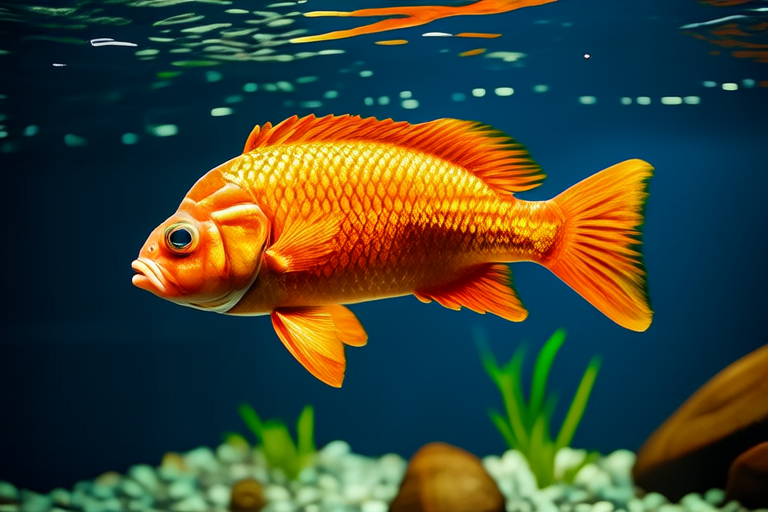
Top 10 Myths About Goldfish That Will Amaze You
Introduction:
Goldfish are among the most popular pets worldwide, adored for their vibrant colors and playful nature. These freshwater fish have captivated the hearts of aquarium enthusiasts for centuries. However, many myths and misconceptions surround these delightful creatures. In this article, we will explore the top 10 myths about goldfish, dispelling common misunderstandings with factual information that will amaze you.
Myth 1: Goldfish Have a Three-Second Memory
One of the most widespread myths about goldfish is that they have a memory span of just three seconds. This misconception likely stems from their seemingly forgetful behavior, such as repeatedly swimming toward the same spot where food was previously given. In reality, goldfish possess a much longer memory than commonly believed. Studies have shown that goldfish can remember complex tasks for up to three months. They can even recognize their owners and respond to familiar stimuli, like feeding time. Imagine your goldfish anticipating your arrival at the tank, eagerly waiting for their favorite treat!
Myth 2: Goldfish Can Survive in Any Water Conditions
Another common myth is that goldfish can thrive in any water conditions. While they are relatively hardy, goldfish require specific water parameters to stay healthy. Ideal water temperature for goldfish ranges between 68°F and 74°F (20°C to 23°C). They also need clean, well-oxygenated water with a pH level around 7.0 to 7.4. Poor water quality can lead to health issues, including fin rot and swim bladder disorders. Regular water changes and proper filtration systems are crucial for maintaining optimal conditions.
Myth 3: Goldfish Only Eat Fish Food
Many believe that goldfish solely consume commercial fish food. While these pellets are essential for a balanced diet, goldfish can enjoy a variety of other foods. They are omnivores, meaning they eat both plant and animal matter. Besides fish flakes, goldfish can be fed blanched vegetables like peas, zucchini, and spinach. Small amounts of live or frozen foods, such as brine shrimp or bloodworms, provide valuable nutrients and can be particularly beneficial for breeding pairs. Remember to feed them small portions multiple times a day to avoid overfeeding, which can lead to poor water quality.
Myth 4: Goldfish Are Low-Maintenance Pets
Despite their reputation as easy-to-care-for pets, goldfish actually require attentive care. A common misconception is that goldfish can survive in small bowls without filtration. In reality, goldfish produce waste and ammonia, which can quickly accumulate in small spaces, leading to toxic water conditions. Goldfish need adequate space, typically at least 20 gallons for one fish, with proper filtration and regular maintenance. Neglecting these requirements can result in stress, disease, and shortened lifespans. Ensuring a suitable environment is crucial for your goldfish’s well-being.
Myth 5: Goldfish Change Color Based on Diet
Some people think that changing a goldfish’s diet can alter its color. While diet does play a role in overall health, it doesn’t directly change a goldfish’s coloration. The color of a goldfish is determined by genetics, with different varieties displaying distinct hues. However, proper nutrition can help maintain vibrant colors. Feeding a varied diet rich in vitamins and minerals supports overall health, which can contribute to brighter appearances. Keep in mind that sudden changes in color might indicate underlying health issues, so monitor your fish closely.
Myth 6: Goldfish Always Swim in Circles
Another myth suggests that goldfish always swim in circles out of boredom or confusion. While goldfish may occasionally circle due to curiosity or excitement, repetitive circling can sometimes indicate health problems. Conditions like swim bladder disorder, parasites, or water quality issues can cause abnormal swimming behavior. If you notice your goldfish swimming erratically, it’s essential to check water parameters and consult a veterinarian specializing in aquatic animals. Providing stimulating environments, such as hiding spots and toys, can also help prevent boredom.
Myth 7: Goldfish Live for Just a Few Years
Contrary to popular belief, goldfish can live significantly longer than a few years when provided with proper care. With optimal living conditions, goldfish can live up to 10 to 15 years or more. Factors such as water quality, diet, and tank size greatly influence their lifespan. Well-cared-for goldfish can become cherished companions for decades. Imagine the joy of watching your goldfish grow and thrive throughout the years!
Myth 8: Goldfish Can Be Kept in Cold Water
While goldfish are cold-water fish, they still require a stable temperature range to thrive. Temperatures below 60°F (15°C) can stress goldfish, weakening their immune systems and making them susceptible to diseases. Additionally, extremely low temperatures can slow down their metabolism, causing them to stop eating. It’s important to maintain a consistent temperature within the recommended range to ensure their well-being. Investing in a heater can be beneficial during colder seasons to keep the water warm.
Myth 9: Goldfish Don’t Need Company
Goldfish are social creatures that benefit from having tank mates. Contrary to the myth that goldfish prefer solitude, they enjoy interacting with other fish. Keeping goldfish alone can lead to loneliness and stress. However, it’s essential to choose compatible tank mates that share similar water requirements. Some good companions include danios, platies, and certain types of loaches. Introducing new fish gradually and monitoring their interactions can help ensure a harmonious community.
Myth 10: Goldfish Don’t Require Lighting
Lighting is often overlooked when setting up a goldfish tank, but it plays a crucial role in their health and well-being. Proper lighting helps regulate the fish’s circadian rhythms, promoting natural behaviors like feeding and sleeping. Additionally, lighting encourages the growth of plants in planted tanks, enhancing the ecosystem. Goldfish benefit from 8 to 12 hours of light per day, mimicking natural daylight cycles. Using timers can help automate the lighting schedule, ensuring consistency.
Tips for Goldfish Care:
- Provide ample space with at least 20 gallons per fish.
- Maintain clean water through regular water changes and filtration.
- Feed a balanced diet, including fish food, vegetables, and occasional treats.
- Monitor water parameters, such as temperature, pH, and ammonia levels.
- Keep tank mates compatible to ensure peaceful coexistence.
- Install proper lighting to support healthy behaviors and plant growth.
- Invest in a heater if necessary to maintain stable water temperatures.
By understanding and addressing these common myths, you can provide the best possible care for your goldfish. With proper attention and love, your goldfish will thrive, bringing joy and companionship to your home for many years to come.
