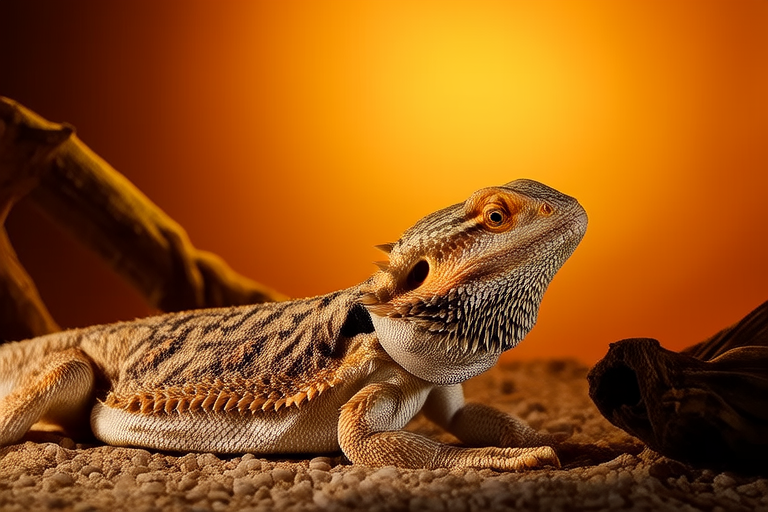
The Ultimate Guide to Setting Up the Perfect Habitat for Your Bearded Dragon!
Bearded dragons are popular pets known for their friendly demeanor and unique appearance. To ensure your bearded dragon thrives, it’s crucial to set up an ideal habitat that meets all its needs. This comprehensive guide will walk you through the essential elements of creating the perfect habitat for your bearded dragon, from habitat size to safety precautions.
Habitat Size
When selecting a habitat for your bearded dragon, consider its size and age. A baby bearded dragon can live comfortably in a 20-gallon tank, but as they grow, they’ll need more space. Adult bearded dragons require a minimum of a 40-gallon tank. The rule of thumb is to provide at least one square foot of space per inch of the dragon’s length. This ensures they have enough room to move around and exercise.
Lighting Requirements
Proper lighting is vital for your bearded dragon’s health. They need UVB light to synthesize vitamin D3, which aids in calcium absorption. Choose a high-quality UVB bulb specifically designed for reptiles, and position it within 6 to 12 inches of the basking area. Replace the bulb every six months, even if it still works, as UVB output diminishes over time. Additionally, provide a full-spectrum fluorescent tube or LED light for general lighting, ensuring 10 to 12 hours of light daily.
Temperature Gradients
Maintaining appropriate temperatures within the habitat is crucial for your bearded dragon’s well-being. Create a temperature gradient with a hot spot (basking area) of 95 to 110°F and a cooler side of 75 to 85°F. Use thermometers placed at both ends of the enclosure to monitor temperatures accurately. Heat sources like ceramic heat emitters or under-tank heaters can help maintain these gradients. Avoid placing heat sources directly above the habitat to prevent hotspots.
Substrate Options
Selecting the right substrate is important for your bearded dragon’s health. Avoid using sand, especially with young dragons, as it poses a choking hazard. Opt for safer alternatives like reptile carpet, paper towels, or eco-friendly substrates like coconut fiber or reptile-safe bark. Regularly clean the substrate to prevent bacteria buildup and replace it entirely every few weeks.
Hiding Spots
Providing hiding spots is essential for your bearded dragon’s comfort and stress reduction. These spots should be easily accessible and large enough for your dragon to fit inside comfortably. You can use caves, half logs, or cardboard boxes as hiding spots. Ensure that the hiding spots are secure and won’t collapse when your dragon enters or exits them.
Feeding Areas
Designate a specific area within the habitat for feeding to minimize substrate ingestion during meals. Place food dishes in a location away from the basking area and water dish. Clean the feeding area regularly to prevent bacterial growth and contamination.
Cleaning Schedules
A regular cleaning schedule helps maintain a healthy environment for your bearded dragon. Spot-clean the habitat daily by removing feces and uneaten food. Perform a deep clean once a week, which includes disinfecting the enclosure, replacing the substrate, and cleaning all accessories. Use a reptile-safe cleaner and rinse thoroughly to remove any residue.
Safety Precautions
Ensure the habitat is escape-proof by securing the lid tightly and checking for any gaps. Use smooth, non-porous materials for the habitat walls to prevent injuries. Avoid placing the habitat near windows or drafty areas to prevent temperature fluctuations. Keep the habitat out of reach of children and other pets to prevent accidents.
Tips for Beginners
Start with a basic setup and gradually add more features as you become more comfortable with bearded dragon care. Invest in quality equipment from reputable suppliers to ensure safety and longevity. Research extensively before making any purchases, and consult with experienced bearded dragon owners or veterinarians for advice.
Common Mistakes to Avoid
- Overheating: Avoid placing the habitat near direct sunlight or heat sources, as this can lead to overheating and dehydration.
- Inadequate Lighting: Insufficient UVB lighting can cause metabolic bone disease, so always use high-quality bulbs and replace them as needed.
- Poor Substrate Choice: Using unsafe substrates like sand can result in impaction, so choose a safe alternative.
- Lack of Temperature Gradients: Failing to create a proper temperature gradient can lead to stress and health issues.
- Improper Feeding Area: Not designating a specific area for feeding can increase the risk of substrate ingestion.
- Inconsistent Cleaning: Neglecting regular cleaning can lead to bacterial growth and illness.
By following these guidelines, you’ll be well on your way to providing your bearded dragon with a comfortable and healthy habitat. Remember, a well-cared-for bearded dragon will thrive and bring joy to your home for many years to come.
