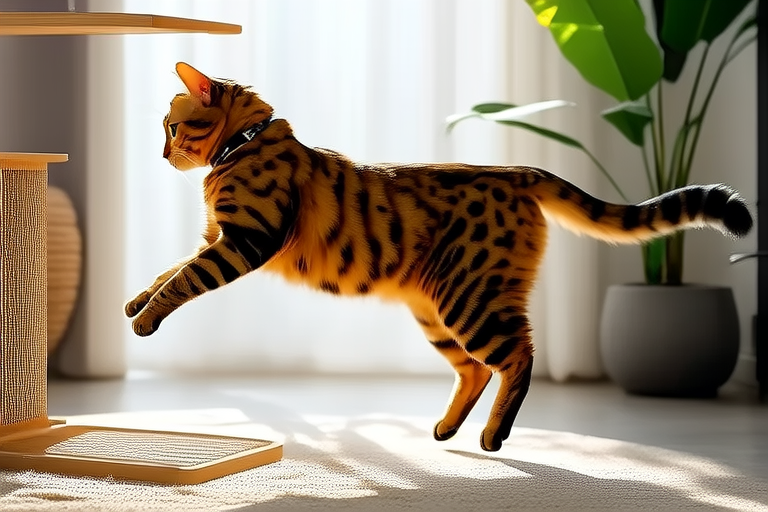
Raising a Bengal Cat: Tips for Ensuring Your Feline Friend Thrives
Welcome to the world of Bengal cats! Known for their striking appearance and lively personalities, these felines can bring endless joy and companionship to your home. This guide aims to provide you with essential information on how to raise a Bengal cat, ensuring they thrive both physically and emotionally. Whether you’re a first-time owner or have years of experience, these tips will help you create a nurturing and stimulating environment for your Bengal friend.
Understanding Bengal Cats
Bengal cats are medium to large-sized domesticated cats that were developed by crossing domestic cats with Asian leopard cats. They are known for their unique spotted or marbled coats, which resemble those of wild leopards. Their playful and active nature makes them excellent companions for families and individuals who enjoy interactive playtime.
Bengals are highly intelligent and curious, often displaying behaviors similar to dogs, such as following their owners around and learning tricks. They are also known for their vocal communication, making a variety of chirping, chattering, and trilling sounds. Their high energy levels require plenty of mental and physical stimulation, so it’s important to provide them with toys, puzzles, and climbing structures to keep them engaged.
Suitable Diet for Bengal Cats
Feeding your Bengal cat a balanced and nutritious diet is crucial for their overall health and well-being. Bengals are obligate carnivores, meaning their diet should primarily consist of animal-based proteins. Look for high-quality commercial cat foods that list meat or fish as the first ingredient. Avoid foods with fillers, artificial preservatives, or excessive carbohydrates.
In addition to commercial diets, you can supplement your Bengal’s meals with fresh meats like chicken, turkey, or fish. It’s important to ensure that any human food you offer is safe for cats and doesn’t contain harmful ingredients such as onions, garlic, chocolate, or caffeine. Always consult with your veterinarian before introducing new foods into your cat’s diet.
Provide fresh water at all times, and consider using a water fountain to encourage drinking. Bengals tend to be more active and may require higher calorie intake compared to other breeds. Monitor your cat’s weight and adjust portion sizes accordingly to prevent obesity.
Exercise Needs of Bengal Cats
Bengals are incredibly energetic and need ample opportunities to burn off their excess energy. Providing regular exercise not only helps maintain their physical fitness but also promotes mental well-being. Interactive play sessions are ideal, as they engage your cat’s mind and body simultaneously. Use toys like feather wands, laser pointers, and puzzle feeders to stimulate their hunting instincts.
Invest in climbing structures, such as cat trees or shelves, to give your Bengal a place to climb and perch. These structures also serve as outlets for their natural climbing behavior. Encourage outdoor play if possible, but always supervise and ensure their safety. If you live in an area where it’s unsafe for your cat to roam freely, consider a secure outdoor enclosure or supervised leash walking.
Regular exercise helps prevent boredom and destructive behavior, keeping your Bengal mentally stimulated and emotionally satisfied. Aim for at least 30 minutes of active play each day, spread throughout the day. Incorporating playtime into your routine can strengthen the bond between you and your cat, fostering a deeper connection.
Grooming Tips for Bengal Cats
Bengal cats have short, dense coats that require minimal grooming, but regular brushing still plays a vital role in maintaining their coat’s health and appearance. Brush your Bengal once or twice a week to remove loose hair and distribute skin oils. This helps prevent hairballs and reduces shedding, especially during seasonal changes.
Bengals are known for their water-resistant coats, which can make bathing less frequent. However, occasional baths may be necessary to remove dirt or odors. Use a mild, cat-safe shampoo and warm water, and ensure thorough rinsing to avoid leaving any residue behind. After bathing, dry your cat thoroughly with a towel or use a blow dryer set on low heat and cool air settings.
Pay attention to your Bengal’s dental hygiene by providing chew toys and treats designed to promote oral health. Regular brushing with a cat-specific toothbrush and toothpaste can also help prevent dental issues. Additionally, trim your cat’s nails every few weeks to prevent overgrowth and potential injuries.
Common Health Issues in Bengal Cats
Bengals are generally healthy cats, but they can be prone to certain genetic and environmental conditions. Familiarizing yourself with these potential health concerns allows you to take proactive measures and seek timely veterinary care when needed.
- Hypertrophic Cardiomyopathy (HCM): This is a heart condition characterized by thickening of the heart muscle walls. Regular veterinary check-ups, including cardiac screenings, can help detect HCM early.
- Dermatological Issues: Bengals may experience skin allergies or infections due to their sensitive skin. Keep an eye out for signs of irritation, redness, or excessive scratching. Consult your vet for appropriate treatments.
- Obesity: Given their high activity levels, Bengals are less likely to become obese compared to other breeds. However, improper feeding habits can lead to weight gain. Monitor your cat’s diet and exercise to maintain a healthy weight.
Regular veterinary visits, vaccinations, and preventive care are essential for keeping your Bengal healthy. Follow your veterinarian’s recommendations for routine check-ups, parasite control, and dental care.
Creating a Stimulating Environment
Providing a stimulating environment is key to keeping your Bengal cat happy and engaged. Bengals are naturally curious and enjoy exploring their surroundings. Create spaces that encourage exploration and interaction. Set up various perches, shelves, and tunnels that allow your cat to climb, hide, and observe their surroundings.
Interactive toys, such as puzzle feeders and treat-dispensing balls, can challenge your cat’s problem-solving skills while rewarding them with treats. Rotate toys periodically to maintain interest and prevent boredom. Consider incorporating elements like water features or bird feeders outside windows to attract wildlife and provide visual stimulation.
Ensure your Bengal has access to scratching posts or boards to maintain their claws and mark territory. Position these items near areas where your cat spends most of their time, such as sleeping spots or feeding areas. Encourage your cat to use these designated areas by placing treats or catnip on them initially.
The Importance of Socialization and Bonding Activities
Socialization is crucial for Bengal cats, especially during their early development stages. Proper socialization helps your cat become comfortable around people, other animals, and various environments. Expose your kitten to different stimuli, including gentle handling, varied sounds, and different textures. Positive reinforcement through treats and praise encourages positive associations with these experiences.
Spending quality time with your Bengal fosters a strong bond and ensures they feel loved and valued. Engage in activities that your cat enjoys, such as playing fetch, teaching tricks, or simply cuddling together. Regular interaction builds trust and strengthens the emotional connection between you and your pet.
Consider enrolling your Bengal in training classes or workshops to further enhance their social skills and mental engagement. Training sessions can be fun and rewarding for both you and your cat, providing an opportunity to learn new commands and tricks together.
Tips for New and Experienced Owners
Whether you’re a first-time cat owner or have years of experience, there are always new insights and techniques to improve your caregiving skills. Here are some practical tips to help you along the way:
- Patience: Every cat has its own personality and quirks. Be patient as you get to know your Bengal’s preferences and routines.
- Consistency: Establish consistent routines for feeding, playtime, and grooming. Consistency helps your cat feel secure and provides structure to their day.
- Positive Reinforcement: Reward good behavior with treats, praise, or extra playtime. Avoid punishment, as it can lead to fear or aggression.
- Veterinary Care: Schedule regular check-ups and vaccinations. Maintain open communication with your veterinarian regarding any concerns or changes in your cat’s health.
- Environmental Enrichment: Continuously enrich your cat’s environment with new toys, puzzles, and experiences. This keeps their minds sharp and prevents boredom.
Remember, raising a Bengal cat is a rewarding journey filled with love, laughter, and memorable moments. By providing proper care, attention, and enrichment, you’ll ensure your Bengal thrives and brings joy to your life.
Conclusion
Raising a Bengal cat requires dedication, patience, and a deep understanding of their unique needs. From their high-energy playfulness to their sensitive skin, Bengals are fascinating creatures that demand attention and care. By offering a balanced diet, regular exercise, and a stimulating environment, you can help your Bengal stay healthy and happy. Remember the importance of socialization and bonding activities, as these contribute significantly to your cat’s emotional well-being.
Embrace the adventure of raising a Bengal cat with confidence and enthusiasm. With the right approach, you’ll create a loving and supportive home for your feline friend, ensuring they thrive and bring countless moments of joy to your life. Happy parenting!
