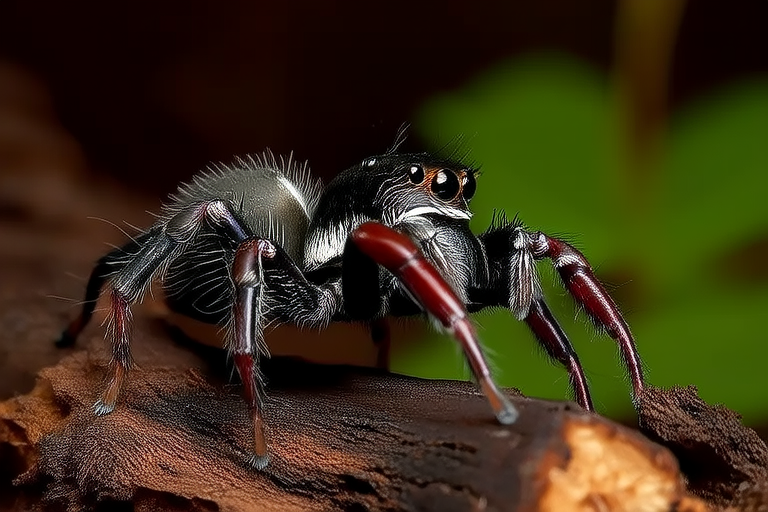
7 Surprising Facts About Tarantulas That Will Change Your Mind
When you think of tarantulas, what comes to mind? Many people envision large, hairy spiders that lurk in dark corners, waiting to pounce on unsuspecting prey. However, this image is often far from reality. Tarantulas, despite their fearsome reputation, are fascinating creatures with many unique characteristics that challenge common misconceptions. This article will explore seven surprising facts about tarantulas that will change your perspective on these misunderstood arachnids.
Fact 1: A Varied Diet Beyond Insects
Tarantulas have a diet that goes beyond just insects, which might surprise you. While they certainly catch and consume smaller bugs, their menu also includes a variety of other prey. Some species have been observed hunting small vertebrates such as frogs, lizards, and even mice. Their powerful fangs and venom are potent enough to subdue larger animals, ensuring they can survive in diverse ecosystems. This adaptability in their diet contributes significantly to their ability to thrive in different environments around the world.
Fact 2: Diverse Habitats Across Continents
Contrary to popular belief, tarantulas do not exclusively inhabit tropical rainforests. These spiders are incredibly adaptable and can be found in various habitats across continents, including deserts, grasslands, and even semi-arid regions. For instance, the desert-dwelling Mexican red-knee tarantula has adapted to life in dry, sandy environments. Meanwhile, the pinkfoot goliath, one of the largest tarantulas, thrives in the lush forests of South America. This wide range of habitats showcases the versatility of tarantulas and their ability to exploit different ecological niches.
Fact 3: Unique Defense Mechanisms
Tarantulas have developed several remarkable defense mechanisms to protect themselves from predators. One of the most interesting is their ability to release urticating hairs from their abdomen. When threatened, these hairs are brushed off onto attackers, causing irritation and discomfort. Some species, like the Brazilian giant white knee tarantula, are particularly adept at this technique. Additionally, certain tarantulas can play dead or assume aggressive postures to deter potential threats. These strategies highlight the ingenuity of tarantulas in avoiding danger without relying solely on their venom.
Fact 4: Safe Interaction with Humans
Despite their intimidating appearance, tarantulas generally pose little threat to humans. Their venom is typically mild, comparable to a bee sting, and they prefer to avoid confrontation. In fact, tarantulas make popular pets for enthusiasts who appreciate their docile nature and striking appearance. Handling them requires care and knowledge, but with proper guidance, interacting with tarantulas can be a safe and rewarding experience. This demystifies the notion that all interactions with tarantulas are dangerous.
Fact 5: Unusual Behaviors and Social Bonds
Tarantulas exhibit some intriguing behaviors that set them apart from other spiders. For example, some species engage in courtship dances, where males perform elaborate movements to attract females. Additionally, mother tarantulas demonstrate strong maternal instincts by guarding their egg sacs and young. While tarantulas are primarily solitary creatures, these behaviors reveal a level of complexity in their social interactions. This insight into their lives adds depth to our understanding of tarantulas as more than just predators.
Fact 6: Myths Debunked
Many myths surround tarantulas, perpetuating fear and misunderstanding. One common myth is that tarantulas are aggressive and attack humans frequently. In reality, tarantulas are shy and prefer to avoid contact with people. Another misconception is that tarantulas are highly venomous. While their venom can cause pain, it is rarely dangerous to humans. By dispelling these myths, we can foster a more accurate and less fearful perception of tarantulas.
Fact 7: Surprising Physical Traits
Tarantulas possess several surprising physical traits that enhance their survival. For instance, some species have excellent vision, contrary to the belief that spiders rely solely on touch and vibrations. Their eyes allow them to detect movement and navigate their environment effectively. Furthermore, tarantulas can regenerate lost limbs, a remarkable adaptation that aids in their longevity. These traits underscore the resilience and adaptability of tarantulas, making them formidable survivors in the wild.
Conclusion
From their varied diets and diverse habitats to their unique defense mechanisms and intriguing behaviors, tarantulas are much more than the scary creatures they’re often portrayed as. By exploring these seven surprising facts, we gain a deeper appreciation for the complexity and beauty of these fascinating arachnids. Encouraging a more informed and compassionate view of tarantulas, let us celebrate their place in the natural world and recognize the vital role they play in maintaining healthy ecosystems. With newfound respect, perhaps we can look at tarantulas not with fear, but with admiration for their remarkable adaptations and resilience.
