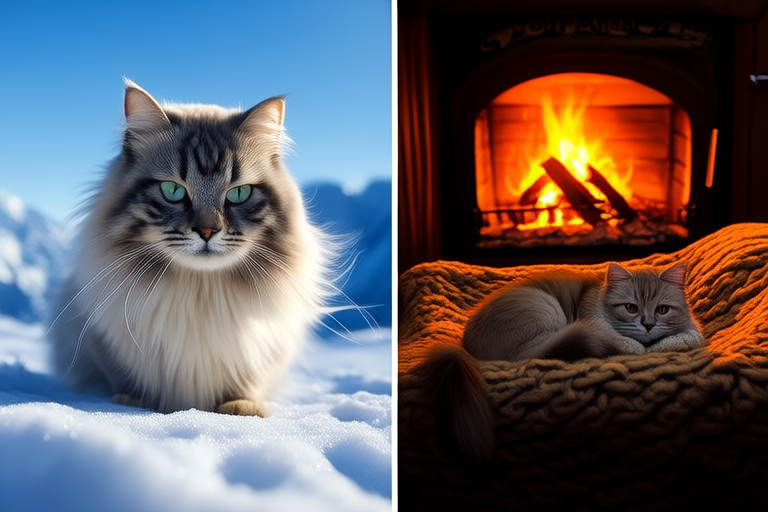
From Frozen Tundras to Cozy Homes: A Journey with Norway’s Favorite Pets
Nestled between the North Sea and the Arctic Ocean, Norway is a land of stark contrasts, where the unforgiving beauty of frozen tundras meets the warmth of cozy homes. The country’s unique climate and geography have shaped not only its landscape but also the preferences for pets that thrive in such conditions. This article embarks on a journey through the heart of Norway, exploring how the nation’s favorite pets have adapted to and enriched the lives of its people.
The Climate and Geography of Norway
With its long, narrow shape stretching from the North Sea to the Barents Sea, Norway offers a diverse range of climates. The coastal regions enjoy milder temperatures influenced by the Gulf Stream, while inland areas experience harsher winters with snowfall lasting well into spring. This geographical diversity has led to a preference for hardy breeds of pets that can withstand the cold. Dogs, especially, play a significant role in Norwegian life, serving as companions, guardians, and even working animals.
A Brief History of Pets in Norwegian Culture
Pets have been part of Norwegian culture for centuries. Traditionally, working dogs like the Norwegian Elkhound and the Norwegian Buhund were essential for herding and hunting. These breeds are well-suited to the rugged terrain and harsh weather conditions, embodying the spirit of resilience and strength that defines Norwegian character. In more recent times, cats have become increasingly popular, often kept indoors to protect them from the biting winds and icy landscapes outside.
Today, while working dogs still hold a special place in Norwegian hearts, there is a growing trend towards smaller, indoor pets such as rabbits and hamsters. This shift reflects changing lifestyles and urbanization, where many Norwegians live in apartments rather than farmhouses.
Traditional and Contemporary Favorites
The Norwegian Elkhound
The Norwegian Elkhound, with its thick, grey coat and alert demeanor, is a quintessential symbol of Norwegian heritage. Known for its loyalty and stamina, this breed has been used for centuries to hunt elk and other large game. Its ability to endure long hours of outdoor activity makes it ideal for the Norwegian wilderness.
“I’ve had my Elkhound, Thor, since he was just a puppy,” shares Lina, a resident of Tromsø. “He’s always been there, whether it’s during our winter hikes or summer picnics. His presence brings a sense of security and joy.”
The Elkhound’s thick fur requires regular grooming, particularly during shedding seasons. Owners must ensure their pets have access to clean water and nutritious food to maintain their health and energy levels.
The Norwegian Buhund
Another cherished breed is the Norwegian Buhund, recognized for its intelligence and versatility. Originally bred for herding sheep, the Buhund is now commonly found as a companion animal. Their cheerful disposition and eagerness to please make them excellent family pets.
“My Buhund, Freya, is always up for an adventure,” says Erik, a farmer from Lillehammer. “She’s always by my side, whether I’m out in the fields or relaxing at home.”
Buhunds require mental stimulation and physical exercise to prevent boredom and behavioral issues. Training sessions and playtime are crucial for maintaining their well-being.
Cats: From Barnyard Guardians to Indoor Companions
Cats have long been valued in Norway for their ability to keep barns free of pests. However, as farming practices have evolved, so too has the role of cats in Norwegian households. Today, most cats are kept indoors to shield them from the elements and potential dangers.
“My cat, Sigrid, is a true indoor enthusiast,” notes Hanne, a city dweller from Oslo. “She loves lounging in the sunroom and watching birds through the window.”
Cats require a balanced diet rich in protein and regular veterinary check-ups to ensure good health. Their agility and independence make them ideal companions for busy professionals.
Smaller Pets: Rabbits and Hamsters
In addition to dogs and cats, smaller pets like rabbits and hamsters have gained popularity in recent years. These animals provide companionship without requiring extensive outdoor space, making them perfect for apartment living.
Rabbits, with their soft fur and gentle nature, are particularly beloved. They need spacious enclosures and plenty of hay to stay active and healthy. Hamsters, on the other hand, are nocturnal creatures that thrive in small, clean cages with toys to stimulate their minds.
Both species require careful attention to their dietary needs and living conditions to ensure they remain happy and healthy.
The Evolving Relationship Between Norwegians and Their Pets
The bond between Norwegians and their pets continues to evolve, mirroring broader societal changes. As urbanization increases, more people are choosing smaller pets that fit easily into their lifestyles. At the same time, there is a growing emphasis on animal welfare, leading to stricter regulations and higher standards of care.
This evolution is reflected in the increasing number of pet-friendly cafes and parks across Norway. It is also evident in the way Norwegians celebrate their pets, with annual events and competitions that showcase the talents and personalities of their furry friends.
Ultimately, the relationship between Norwegians and their pets is one of mutual affection and respect. Whether it’s a loyal dog by your side or a playful rabbit hopping around your home, these animals bring joy and comfort to countless families.
In conclusion, from the rugged landscapes of frozen tundras to the cozy interiors of modern homes, Norway’s favorite pets have adapted and thrived. Their enduring presence enriches the lives of their owners, offering companionship, protection, and unconditional love. As society continues to change, so too will the ways in which Norwegians embrace and care for their cherished animal companions.
