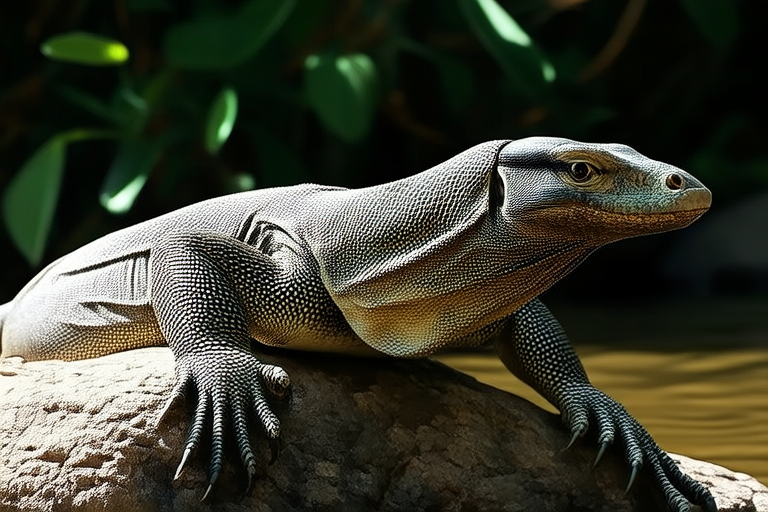
How to Care for Your Water Monitor Like a Pro: A Comprehensive Guide
Introduction
Welcome to the world of water monitors! These fascinating reptiles are among the largest lizards in the world and require specific care to thrive. This guide will provide you with all the necessary information to care for your water monitor like a pro. Whether you’re a first-time owner or an experienced handler, this comprehensive guide will help you understand the unique needs of these animals.
Water Monitor Habitat Setup
Creating the right environment for your water monitor is crucial. Water monitors are semi-aquatic, so their enclosure must reflect their natural habitat. Here’s how to set up their home:
- Terrarium Size: A minimum of 10 feet long, 6 feet wide, and 8 feet high is recommended for adult water monitors. The enclosure should be spacious enough to allow swimming and climbing.
- Substrate: Use a substrate that can hold moisture but isn’t harmful if ingested. Cypress mulch, coconut fiber, or reptile-safe sand are good options.
- Water Area: Ensure there is a large, deep water area for swimming. The depth should be at least half the length of the lizard.
- Hiding Spots: Provide plenty of hiding spots using logs, rocks, or commercially available reptile hides.
- Temperature Regulation: Maintain a basking spot of 95-100°F (35-38°C) and a cool side of 75-85°F (24-29°C). Use heat lamps or ceramic heaters to achieve this.
- Humidity Levels: Keep humidity between 60% and 80%. Use misters or humidifiers as needed.
Dietary Needs
Water monitors are carnivorous and need a balanced diet rich in proteins. Here’s what they should eat:
- Feeding Schedule: Feed juveniles daily, while adults can be fed every other day. Offer a variety of food items to ensure a balanced diet.
- Food Options: Suitable prey includes mice, rats, feeder fish, insects, and occasionally fruits and vegetables.
- Calcium and Vitamin Supplementation: Dust prey items with calcium and vitamin D3 supplements twice a week to prevent metabolic bone disease.
Health Care
Regular health checks and proper hygiene are vital for your water monitor’s well-being. Here’s what to do:
- Veterinary Care: Find a veterinarian experienced with reptiles. Schedule annual check-ups and vaccinations.
- Dental Care: Monitor your lizard’s teeth for any signs of wear or decay. Dental issues can lead to serious health problems.
- Parasite Control: Regularly check for parasites and treat accordingly. Consult your vet for appropriate treatments.
- Environmental Enrichment: Provide toys and climbing structures to keep your monitor mentally stimulated.
Behavioral Insights
Understanding your water monitor’s behavior is key to successful ownership. Here are some insights:
- Social Behavior: Water monitors are generally solitary animals and do not require companionship from other lizards.
- Bonding: Spend time handling your monitor regularly to build trust. Start slowly and increase handling time gradually.
- Signs of Stress: Watch for signs such as loss of appetite, lethargy, or aggressive behavior. Address these issues promptly.
Tips for Handling
Handling your water monitor requires patience and caution. Here are some tips:
- Approach: Approach your monitor calmly and slowly. Avoid sudden movements that might startle it.
- Support: Always support your monitor’s body when handling. Never grab them by the tail.
- Duration: Limit handling sessions to 15-30 minutes to avoid stressing the animal.
- Training: Train your monitor to accept handling by offering treats during sessions.
Common Challenges Faced by Owners
Owning a water monitor comes with its own set of challenges. Here are some common issues and solutions:
- Aggression: Aggression can be reduced through regular handling and positive reinforcement. Never punish your monitor for aggressive behavior.
- Poor Appetite: A poor appetite can be due to stress, illness, or improper diet. Ensure your monitor’s environment is ideal and consult a vet if necessary.
- Escape Attempts: Water monitors are strong and can escape easily. Secure the enclosure properly and provide ample space to prevent stress-induced escapes.
Conclusion
Caring for a water monitor is a rewarding experience but requires commitment and knowledge. By following the guidelines outlined in this comprehensive guide, you’ll be able to provide your water monitor with the best possible care. Remember, each lizard is unique, so observe and adapt your care routine based on your pet’s individual needs. Happy monitoring!
