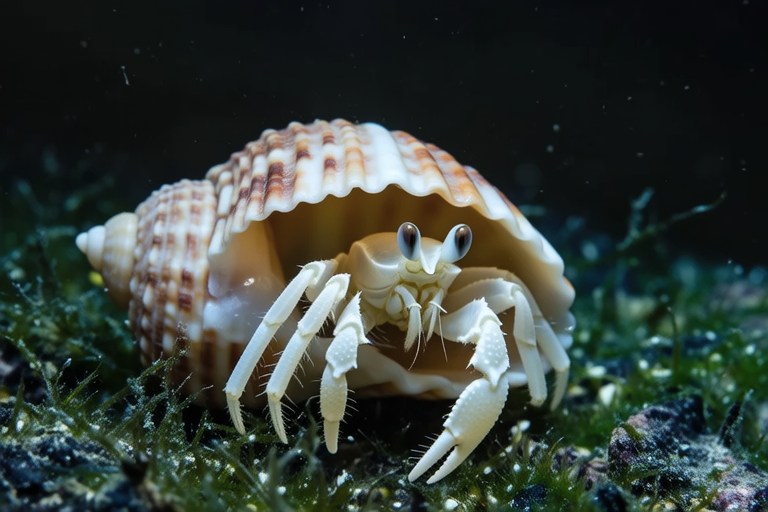
The Hidden Ecosystem of Pea Crabs: A Dive into Marine Symbiosis
Welcome to the fascinating world of pea crabs, tiny but mighty inhabitants of our oceans. These minute crustaceans, no larger than a fingernail, live hidden lives within the bodies of other marine organisms. Their unique symbiotic relationships offer a window into the intricate web of life beneath the waves. This article delves into the world of pea crabs, exploring their size, habitat, diet, and the species they commonly coexist with. We will also discuss the scientific importance of studying these creatures and the threats they face, encouraging a deeper appreciation for the unseen yet vital role they play in marine ecosystems.
Size and Habitat
Pea crabs (family Pinnotheridae) are aptly named for their diminutive size, typically measuring between 3 to 10 millimeters. Despite their small stature, these crabs are formidable in their ability to thrive in diverse marine environments. They are found in both shallow coastal waters and deep ocean trenches, from the chilly waters of the Arctic to the warm tropical seas. Their preferred habitats include the gills, mantle cavities, and even the stomachs of various marine hosts, such as bivalves, sea cucumbers, and even some echinoderms. Pea crabs have adapted to these environments by developing flattened bodies that allow them to maneuver through narrow spaces within their hosts.
Diet and Feeding Habits
The diet of pea crabs is as varied as their habitats. While they are primarily considered commensalists—benefiting from their hosts without causing harm—they can sometimes exhibit parasitic tendencies. Their feeding habits depend largely on the host species. In many cases, pea crabs consume detritus, microalgae, and small organisms that enter the host’s body. Some species have been observed feeding on the mucus produced by their hosts, while others may consume small parasites or bacteria that could otherwise harm the host. This unique feeding strategy allows pea crabs to maintain a delicate balance between benefiting from their hosts and avoiding any detrimental effects.
Symbiotic Relationships
Pea crabs form symbiotic relationships with a wide range of marine organisms, including clams, oysters, mussels, and even some species of starfish and sea cucumbers. These relationships are often mutually beneficial, with the host providing shelter and protection for the pea crab, and the crab aiding in cleaning and maintaining the health of the host. For instance, pea crabs living within oysters are known to remove harmful bacteria and parasites, thus improving the overall health of their hosts. This mutualistic relationship not only benefits the pea crabs but also contributes to the well-being of the host species.
Scientific Importance
The study of pea crabs offers invaluable insights into the complex interdependencies within marine ecosystems. By examining the relationships between pea crabs and their hosts, scientists can better understand the dynamics of symbiosis and how these interactions contribute to the overall health of marine environments. Additionally, the genetic diversity of pea crabs provides clues about the evolutionary history of marine life and the adaptability of species to changing environmental conditions. Understanding these factors is crucial for developing effective conservation strategies and ensuring the sustainability of marine ecosystems.
Threats to Survival
Despite their resilience, pea crabs face numerous threats to their survival. Human activities, such as overfishing and pollution, can disrupt the delicate balance of marine ecosystems, affecting the availability of suitable hosts for pea crabs. Climate change also poses a significant threat, as rising sea temperatures and ocean acidification can impact the health of host species, ultimately affecting the pea crabs that rely on them. Pollution, particularly plastic debris and chemical contaminants, can further endanger pea crabs by altering their habitats and introducing toxic substances into the food chain.
Conservation Efforts
To protect pea crabs and the broader marine ecosystem, conservation efforts focus on reducing human impact and promoting sustainable practices. Initiatives include implementing stricter fishing regulations, reducing pollution, and supporting research into the impacts of climate change on marine life. Public education campaigns aim to raise awareness about the importance of pea crabs and their role in maintaining healthy marine environments. By fostering a greater understanding of these tiny creatures, we can inspire action to safeguard their future and the future of our oceans.
Conclusion
The world of pea crabs is a testament to the incredible complexity and beauty of marine ecosystems. These tiny crustaceans, though often overlooked, play a crucial role in maintaining the health and balance of their hosts and the broader marine environment. By studying pea crabs and their symbiotic relationships, we gain valuable insights into the intricate web of life beneath the waves. As we continue to explore and learn more about these fascinating creatures, we are reminded of the importance of protecting and preserving the delicate balance of our oceans. Let us embrace the opportunity to dive deeper into the mysteries of marine biology and uncover the hidden ecosystems that shape our planet.
