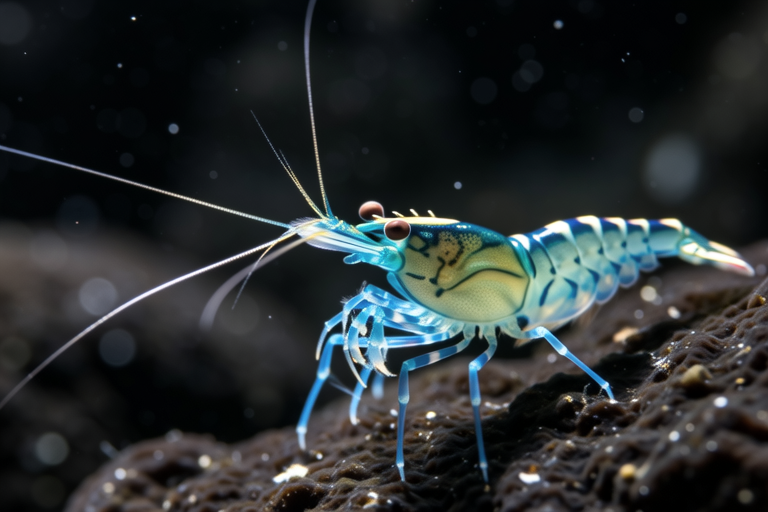
Exploring Coral Shrimp: Myths vs Realities
Coral shrimp are popular additions to many saltwater aquariums, but there are numerous misconceptions about their care, behavior, and compatibility with other species. This article aims to separate fact from fiction by providing an overview of the scientifically accurate realities surrounding coral shrimp. We will discuss their dietary needs, ideal tank conditions, common health issues, and offer tips for beginners on successfully keeping them healthy and thriving.
Common Myths About Coral Shrimp Care
One of the most prevalent myths about coral shrimp is that they require minimal maintenance. While it’s true that these small crustaceans are relatively hardy creatures, they still need proper care to thrive in an aquarium environment. Another common misconception is that coral shrimp can survive on leftover food or detritus alone. In reality, while they do scavenge for scraps, a balanced diet consisting of meaty foods such as mysis shrimp, brine shrimp, and commercial frozen preparations is essential for their health.
Another myth is that coral shrimp are suitable for all types of aquarium setups. However, certain species may be more aggressive towards smaller fish or invertebrates when kept together in close quarters. It’s important to research specific species before adding them to your tank to ensure compatibility.
Scientifically Accurate Realities
Contrary to popular belief, coral shrimp have specific dietary requirements that must be met to maintain optimal health. A varied diet rich in protein sources like krill, squid, and marine algae helps support their growth and reproduction. Additionally, providing hiding spots within the tank allows them to feel secure and reduces stress levels.
When setting up an appropriate habitat for coral shrimp, consider factors such as water quality parameters (salinity, pH), flow rates, and temperature stability. Regular monitoring ensures these levels remain consistent throughout the day. Proper filtration systems also play a crucial role in maintaining clean water conditions necessary for sustaining life forms inside the aquarium.
Dietary Needs
Feeding coral shrimp properly involves offering high-quality foods specifically formulated for marine crustaceans. These include pellets designed for bottom-dwelling organisms along with occasional treats like fresh seafood pieces cut into tiny portions. Avoid overfeeding; excess uneaten food could lead to nutrient imbalances which might harm other inhabitants sharing the same space.
Ideal Tank Conditions
To create an ideal living space for coral shrimp, start by selecting appropriate substrate materials – sand or crushed coral work well since they provide natural hiding places while promoting beneficial bacterial growth at the base layer. Ensure adequate lighting cycles mimic those found naturally undersea; most prefer indirect bright illumination rather than direct exposure to harsh UV rays.
Water chemistry plays a vital role too. Maintain stable salinity levels between 1.023g/mL and 1.026g/mL depending upon regional preferences. The pH range should stay within 8.1-8.4. Regular testing kits help monitor these values accurately over time. Also, ensure good circulation without creating strong currents near where your shrimp reside.
Common Health Issues
Parasites pose one of the biggest threats to coral shrimp populations once introduced into captivity. External infestations can cause visible signs such as white spots on exoskeletons or abnormal swimming patterns. Internal worms may affect digestive tracts leading to reduced appetite or lethargy.
Bacterial infections often arise due to poor hygiene practices during feeding times. Always remove any uneaten morsels after feeding sessions to prevent decomposition processes from occurring within confined spaces.
Tips for Beginners
For novice hobbyists looking to keep coral shrimp healthy and thriving, several key points should be considered:
- Research thoroughly: Understand what type(s) you want before purchasing.
- Gradual acclimation: Introduce new arrivals slowly so they adjust gradually.
- Monitor closely: Keep track of behaviors regularly through visual inspections.
- Provide enrichment: Offer diverse hiding spots and structures.
- Feed appropriately: Stick to recommended feeding schedules and amounts.
The Role of Coral Shrimp in Maintaining Tank Ecosystems
Coral shrimp play a significant part in maintaining ecological balance within reef tanks. By consuming organic matter, they help control algae blooms that could otherwise smother delicate corals. Their presence encourages biodiversity among smaller invertebrate communities, fostering healthier overall system dynamics.
In conclusion, understanding both the misconceptions and truths surrounding coral shrimp care can greatly enhance the success rate of keeping these fascinating creatures alive and well in home aquariums. With proper knowledge about their nutritional needs, environmental preferences, and potential risks associated with improper husbandry techniques, enthusiasts can enjoy watching these colorful little critters thrive alongside other marine lifeforms.
