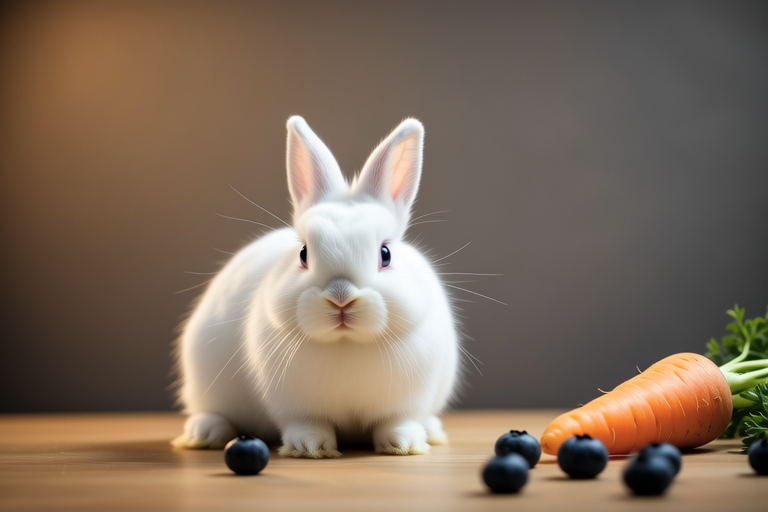
Top 10 Fun Facts About the Playful and Petite Dutch Dwarf Rabbit
The Dutch Dwarf Rabbit, a charming and diminutive breed, has captured the hearts of many pet lovers. Known for their compact size, gentle demeanor, and striking appearance, these rabbits are one of the most popular choices for both novice and experienced rabbit owners. Their small stature, combined with a variety of coat colors and patterns, makes them a delightful addition to any household.
1. Compact and Cuddly: The Perfect Size
Dutch Dwarfs are among the smallest breeds of domestic rabbits, typically weighing between 2 to 3 pounds. This petite size makes them ideal for those living in apartments or homes with limited space. Despite their small size, they are sturdy and well-proportioned, with a broad head and short ears that give them a distinctively cute appearance. Their compactness also means they require less food, making them more cost-effective to care for.
2. A Gentle Spirit: Ideal for Families
Dutch Dwarfs are known for their calm and friendly nature, making them excellent companions for families. They are generally docile and can be easily handled, which is beneficial when introducing children to the joys of pet ownership. These rabbits enjoy being petted and will often sit quietly while you stroke their soft fur. However, it’s important to handle them gently due to their small size and delicate bones.
3. Dietary Delights: What They Love to Eat
Like all rabbits, Dutch Dwarfs thrive on a diet rich in hay, fresh vegetables, and a moderate amount of pellets. Timothy hay is particularly recommended as it aids in dental health and digestion. Fresh vegetables such as carrots, broccoli, and spinach should be offered in moderation, as too much can lead to digestive issues. Treats should be limited to avoid obesity, which can be a common problem for this breed due to their small frames.
4. Grooming and Maintenance: Keeping Them Clean
With a short, dense coat, Dutch Dwarfs require regular grooming to keep their fur healthy and free from mats. Brushing them at least once a week helps remove loose hair and prevents hairballs. Bathing should be kept to a minimum, as rabbits can become stressed by water. Instead, focus on keeping their living area clean and providing them with plenty of soft bedding. Regular nail trimming is also necessary to prevent overgrowth, which can cause discomfort and mobility issues.
5. Distinctive Markings: A Visual Spectacle
Dutch Dwarfs are easily recognizable by their unique markings. They have a white blaze extending down the center of their face and a white belly, with the rest of their body covered in one of eight recognized colors: black, blue, chocolate, lilac, red, fawn, tortoise, and lynx. Each color has its own specific shade and pattern, contributing to the breed’s visual appeal. These markings are so characteristic that they are part of the breed standard, ensuring that every Dutch Dwarf has a distinct and beautiful appearance.
6. Active and Adaptable: A Playful Nature
Despite their small size, Dutch Dwarfs are surprisingly active and playful. They love to explore and will often engage in digging and chewing, behaviors that are natural to rabbits. Providing them with toys and tunnels can help channel this energy in positive ways, preventing boredom and destructive behavior. Their adaptability makes them suitable for both indoor and outdoor environments, though indoor living is preferred for safety reasons.
7. Historical Background: From Farm to Family
The history of the Dutch Dwarf Rabbit dates back to the early 20th century in the Netherlands. They were originally bred as companion animals rather than for meat or fur, which set them apart from other rabbit breeds. Over time, Dutch Dwarfs became increasingly popular as pets due to their appealing looks and friendly personalities. Today, they are one of the most beloved rabbit breeds worldwide, cherished for their unique combination of charm and companionship.
8. Lifespan and Health: Longevity and Care
With proper care, Dutch Dwarfs can live up to 8 years, though this can vary based on genetics and lifestyle. Regular veterinary check-ups are essential to monitor their health and address any potential issues early. Common health concerns include dental problems, respiratory infections, and digestive disorders. Ensuring a balanced diet, clean living conditions, and regular exercise can significantly improve their lifespan and quality of life.
9. Social Creatures: The Importance of Companionship
Rabbits are social animals and thrive in the company of others. Dutch Dwarfs are no exception; they often benefit from having a companion rabbit. Introducing two rabbits of the same sex can help reduce stress and promote a healthier environment. It’s important to properly introduce them to ensure compatibility and prevent aggression. Having a companion can also encourage play and interaction, enriching their lives and yours.
10. Training and Tricks: A Smart Breed
Dutch Dwarfs are intelligent and can be trained to perform simple tricks, such as coming when called or using a litter box. Training sessions should be short and positive, using treats as rewards to reinforce good behavior. This not only strengthens the bond between you and your rabbit but also provides mental stimulation, which is crucial for their overall well-being. Patience and consistency are key when training, as rabbits learn through repetition and positive reinforcement.
A Reflection on Why Dutch Dwarfs Make Wonderful Pets
The Dutch Dwarf Rabbit combines the best qualities of a pet: they are small enough to fit into almost any home, yet large enough to be handled comfortably. Their gentle nature, combined with their playful and curious disposition, makes them a joy to have around. Whether you’re looking for a quiet companion or an active playmate, the Dutch Dwarf Rabbit offers a rewarding pet experience. Their unique appearance and charming personality make them stand out, ensuring that they will bring endless delight to their owners.
