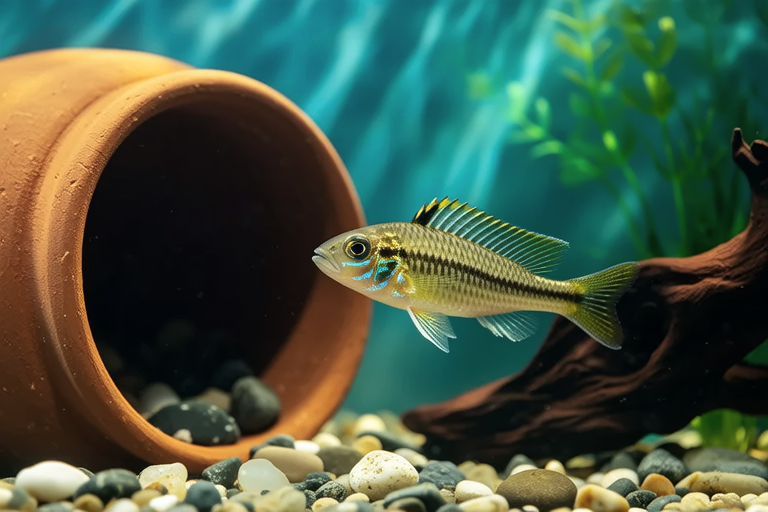
Setting Up the Perfect Habitat for Your Rajah Cichlid: Step-by-Step Guide
The Rajah Cichlid, also known as the Rajah Dwarf Cichlid or Crenicara punctulata, is a fascinating species native to the Amazon Basin. This small but vibrant fish is highly sought after by aquarium enthusiasts due to its striking appearance and interesting behavior. However, setting up the perfect habitat for this cichlid requires careful planning and attention to detail. This comprehensive guide will walk you through every aspect of creating an optimal environment for your Rajah Cichlid, ensuring their well-being and longevity.
Understanding the Natural Habitat of the Rajah Cichlid
To truly appreciate the needs of the Rajah Cichlid, it’s important to understand where they come from. Native to the Amazon Basin, these fish inhabit slow-moving streams and tributaries characterized by dense vegetation and rocky substrates. The water in their natural habitat tends to be soft and slightly acidic, with temperatures ranging between 74°F and 82°F (23°C to 28°C). By replicating these conditions in your aquarium, you can provide your Rajah Cichlid with an environment that closely mimics their natural home.
Tank Setup Specifications
When setting up your tank for the Rajah Cichlid, size matters. A minimum tank size of 30 gallons (113 liters) is recommended to accommodate the swimming space needed by these active fish. Larger tanks offer more stability in terms of water chemistry and temperature regulation, which is crucial for maintaining healthy conditions.
- Water Volume: At least 30 gallons (113 liters)
- Dimensions: Preferably longer than it is tall to allow for ample swimming area
In addition to the tank itself, you’ll need several key components:
- Filtration System: High-quality external canister filters are ideal for maintaining water quality and providing sufficient flow without overwhelming the delicate nature of the Rajah Cichlid.
- Heater: A reliable heater capable of maintaining stable temperatures within the preferred range is essential.
- Air Pump: To ensure adequate oxygenation, especially if the tank has limited surface agitation.
- Temperature: Between 74°F and 82°F (23°C to 28°C)
- pH Level: Slightly acidic, around 6.0 to 7.0
- Hardness: Soft water, ideally below 5 dGH
- Ammonia and Nitrite Levels: Should be zero at all times; nitrate levels should be kept low, under 20 ppm.
- Substrate: Fine sand or small gravel is preferable as it mimics the soft riverbeds found in their natural habitat.
- Decorations: Incorporate driftwood, rocks, and caves to replicate their natural environment. Live plants like Java Fern and Anubias are excellent choices because they thrive in similar water conditions and offer additional shelter.
- Filtration: Use high-quality external canister filters that provide mechanical, biological, and chemical filtration. These filters help remove debris, break down harmful compounds, and control algae growth.
- Lighting: Opt for full-spectrum LED lights designed for planted tanks. They provide necessary light for plant photosynthesis while enhancing the vibrant colors of your Rajah Cichlids.
- Flake Food: High-quality flake food formulated for omnivorous cichlids.
- Pellets: Sinking pellets designed for cichlids.
- Live or Frozen Foods: Such as brine shrimp, bloodworms, and daphnia.
- Vegetables: Blanched spinach, peas, and spirulina flakes.
- Weekly Water Changes: Perform partial water changes (about 20%) to remove accumulated waste and replenish essential minerals.
- Gravel Vacuuming: Use a siphon hose to gently vacuum the substrate during water changes, removing uneaten food and debris.
- Monitor Equipment: Regularly check your filter, heater, and lighting systems to ensure they’re functioning properly.
- Check for Algae Growth: Keep an eye out for algae buildup and address it promptly to prevent it from becoming overwhelming.
- Fungal Infections: Characterized by white patches on the body or fins, often caused by poor water quality.
- Bacterial Infections: Symptoms include redness, ulcers, or lethargy.
- Ich: Small white spots appear on the body and fins, typically triggered by sudden changes in water temperature.
- Swim Bladder Disorders: Difficulty swimming upright, usually related to overfeeding or constipation.
Water Parameters
Maintaining proper water parameters is critical for the health and longevity of your Rajah Cichlids. Here’s what you need to aim for:
Regular testing and monitoring of these parameters using test kits are vital. Additionally, partial water changes (about 20% weekly) help maintain optimal conditions.
Suitable Substrate and Decorations
Selecting the right substrate and decorations can greatly enhance the aesthetic appeal of your tank while also providing beneficial hiding spots and spawning sites for your Rajah Cichlids.
Ensure that any decor pieces are securely placed to prevent potential injuries during territorial disputes.
Appropriate Filtration and Lighting Systems
Choosing the right filtration and lighting systems is crucial for keeping your tank clean and promoting healthy growth.
Remember to avoid overly intense lighting that could stress the fish or lead to excessive algae growth.
Ideal Tank Mates
While the Rajah Cichlid is generally peaceful, it’s important to choose compatible tank mates carefully. Avoid aggressive or overly boisterous species that might intimidate or harm them. Good companions include other dwarf cichlids, peaceful tetras, and non-aggressive catfish. Always research each potential tank mate thoroughly before introducing them to ensure compatibility.
Diet and Feeding Guidelines
Feeding your Rajah Cichlids a balanced diet is essential for their health and vitality. Their natural diet consists mainly of insect larvae, small crustaceans, and plant matter. In captivity, they can thrive on a variety of prepared foods:
Feed your Rajah Cichlids twice daily, offering only what they can consume within a few minutes. Overfeeding can lead to poor water quality and health issues.
Regular Maintenance Tips
Consistent maintenance is key to keeping your tank in top condition. Here are some tips:
By following these maintenance practices, you can help ensure a healthy and thriving environment for your Rajah Cichlids.
Common Health Issues to Watch For
Despite your best efforts, sometimes health issues may arise. Here are some common problems to look out for:
If you notice any signs of illness, isolate the affected fish and consult with a veterinarian specializing in aquatic animals for treatment options.
Conclusion
Creating the perfect habitat for your Rajah Cichlid involves understanding their natural environment, selecting appropriate tank setups, and maintaining optimal water conditions. By following this step-by-step guide, you’ll be able to provide your Rajah Cichlids with a thriving home that promotes their health and happiness. Remember, patience and diligence are key when caring for these beautiful creatures. Enjoy watching them flourish in their new environment!
