Meet the Hairy Scorpion: An Inside Look at the Life and Care of Heterometrus Spinifer
The world of exotic pets is vast and varied, and among the most intriguing inhabitants are scorpions. One such fascinating creature is the Heterometrus spinifer, commonly known as the Hairy Scorpion due to its distinct appearance. This article provides an in-depth look into the life of the Hairy Scorpion, covering its natural habitat, behavior, dietary needs, and the responsibilities of owning one as a pet.
The Unique Appearance and Natural Habitat of the Hairy Scorpion
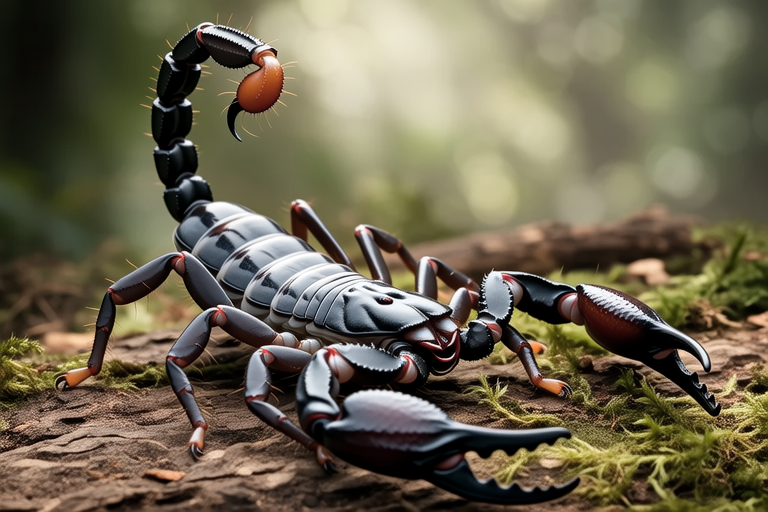
The Heterometrus spinifer is easily recognizable by its robust body, typically ranging from 7 to 10 centimeters in length. It has a brownish or reddish hue, with a dense covering of short, fine hairs that give it its name. These hairs are not just aesthetically pleasing; they serve multiple purposes, including sensory functions and possibly aiding in the retention of moisture.
Natural habitats for the Hairy Scorpion include regions of Southeast Asia, particularly Thailand, Malaysia, and parts of India. They thrive in tropical forests and grasslands where the climate is warm and humid. In these environments, they find ample hiding spots among rocks, under logs, and within crevices, which provide protection from predators and harsh weather conditions.
Behavior, Diet, and Lifespan
The Hairy Scorpion is primarily nocturnal, emerging at night to hunt and forage for food. Their hunting technique involves using their powerful pincers to grasp prey and their venomous stinger to immobilize it. The venom, while potent enough to subdue insects, is generally not harmful to humans unless allergic reactions occur.
In terms of diet, these scorpions are opportunistic feeders, consuming a variety of insects and small invertebrates. They require a balanced diet rich in protein to maintain their health and longevity. As pets, owners should provide them with live insects such as crickets, mealworms, and dubia roaches, ensuring a diverse menu to mimic their natural diet.
The average lifespan of the Hairy Scorpion in captivity can be up to 6 to 8 years, sometimes even longer if well cared for. Proper care includes maintaining optimal living conditions and a consistent feeding schedule.
Owning a Hairy Scorpion: Responsibilities and Considerations
Appropriate Housing
Creating a suitable habitat for your Hairy Scorpion is crucial. A glass terrarium with a secure lid is ideal, providing adequate space for the scorpion to move around comfortably. The enclosure should be at least three times the length of the scorpion, offering sufficient room for exploration and rest.
Temperature and Humidity Requirements
Maintaining the right temperature and humidity levels is vital for the health of your pet. The ideal temperature range for the Hairy Scorpion is between 24°C to 29°C (75°F to 84°F). A heat lamp or under-tank heater can be used to achieve this. Additionally, the humidity level should be kept between 60% and 80%. Regular misting and the use of a water dish will help maintain this balance.
Feeding Habits
Feeding your Hairy Scorpion requires careful attention. Provide prey items every 7 to 10 days, depending on the size and age of the scorpion. Gut loading the prey—feeding nutritious foods to the insects before offering them to the scorpion—can enhance the nutritional value of each meal. Dusting the prey with calcium and vitamin supplements once a week further supports the scorpion’s health.
Handling and Interacting Safely
While the Hairy Scorpion can make an interesting pet, it is essential to handle them with care. Always wash your hands before and after handling to prevent the transfer of oils or chemicals that could harm the scorpion. Use long-handled tongs or gloves to gently move the scorpion, minimizing stress and the risk of injury.
Interacting with your scorpion should be limited to observing its natural behaviors within its enclosure. Avoid frequent handling, as scorpions may become stressed or aggressive if overhandled. Providing enrichment through varied substrates, hides, and occasional rearrangement of the enclosure can stimulate their natural behaviors and keep them engaged.
The Role of the Hairy Scorpion in Ecosystems
In their natural habitats, Hairy Scorpions play a significant role in controlling insect populations. By preying on various insects, they help maintain ecological balance, preventing overpopulation and potential outbreaks of harmful species. Their presence also serves as an indicator of environmental health, as their survival depends on stable ecosystems.
Conservation Efforts
Despite their adaptability, certain threats face the Hairy Scorpion, including habitat destruction and illegal pet trade. Conservation efforts focus on protecting their natural habitats and regulating the pet trade to ensure sustainable practices. Supporting organizations dedicated to wildlife conservation and responsible pet ownership can contribute to the preservation of these remarkable creatures.
In conclusion, the Hairy Scorpion, Heterometrus spinifer, is a captivating and unique addition to the world of exotic pets. Understanding their natural behaviors, dietary needs, and care requirements ensures a rewarding experience for both the owner and the scorpion. By providing a safe and enriching environment, you can enjoy the beauty and mystery of these fascinating arachnids while contributing to their conservation.
