Hermit Crab Care: A Comprehensive Guide for New Owners
Introduction
Welcome to the fascinating world of hermit crabs! These charming creatures are popular pets due to their unique appearance and relatively low maintenance requirements. This guide will walk you through everything you need to know to provide your hermit crabs with a happy, healthy life.
Hermit Crab Anatomy
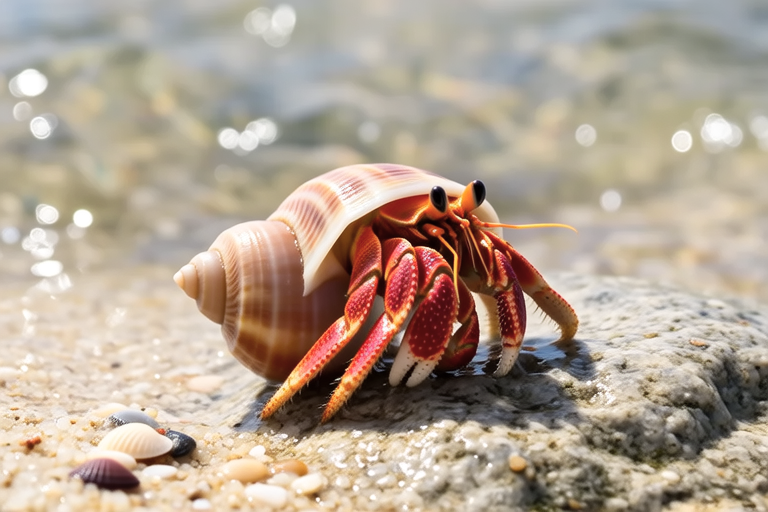
Understanding the basic anatomy of your hermit crab is essential for proper care. Hermit crabs have a soft, vulnerable abdomen that they protect by living inside shells. They have ten legs, with two front claws used for defense or food manipulation. Their eyes are compound, giving them excellent vision, and they breathe through gills located near their back legs. These gills require moisture to function correctly, which is why maintaining humidity is crucial.
Habitat Setup
Humidity and Temperature
Hermit crabs thrive in environments with high humidity levels between 70% and 80%. To achieve this, mist the enclosure daily or use a humidifier. The ideal temperature range is 75°F to 85°F (24°C to 29°C). Use a thermometer and hygrometer to monitor these conditions accurately.
Substrate
The substrate should be at least three times the height of your largest crab to allow digging and burrowing. Suitable substrates include coconut fiber, crushed coral, or a mixture of sand and soil. Ensure it’s free from pesticides or other harmful chemicals.
Shell Selection
Providing a variety of shells is important as hermit crabs regularly change homes. Offer shells slightly larger than their current ones and ensure they’re clean and free from sharp edges. Hermit crabs can become stressed if they don’t have access to new shells, so regularly update the selection.
Diet and Feeding
Hermit crabs are omnivores and enjoy a varied diet. Feed them a mix of fruits, vegetables, and proteins like fish flakes, shrimp, or cooked chicken. Always remove uneaten food to prevent mold growth. Fresh water and salt water dishes are necessary; hermit crabs drink from both to maintain their body’s electrolyte balance.
Health Care Tips
Regularly check your crabs for signs of illness such as lethargy, discolored appendages, or loss of appetite. Keep the enclosure clean to minimize the risk of disease. Quarantine any new additions to the tank for several weeks before introducing them to the existing population.
Handling Techniques
Handle your hermit crabs gently and infrequently, as excessive handling can cause stress. When picking them up, support their shell with one hand while gently holding the crab’s body with the other. Avoid pulling the crab out of its shell forcibly, as this can cause injury.
Common Problems and Solutions
One common issue is molting. During this time, your crab will become less active and may retreat into its shell. Provide extra calcium-rich foods and ensure the humidity level remains stable. Another problem might be shell fighting, which occurs when crabs compete for better shells. Offering a variety of shells can help alleviate this behavior.
Enrichment Activities
To keep your hermit crabs engaged, provide toys and structures within the enclosure. Items like driftwood, small tunnels, and climbing structures encourage exploration and exercise. Rotate these items periodically to maintain interest.
Conclusion
Raising hermit crabs can be a rewarding experience for pet owners. By understanding their needs and providing a suitable environment, you can ensure your hermit crabs lead healthy, active lives. Remember, patience and observation are key to successful hermit crab care.
