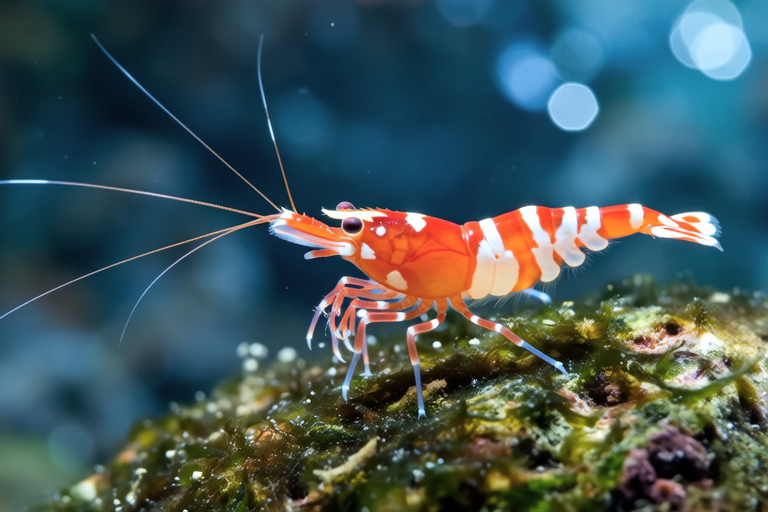
From Ocean Depths to Glass Tanks: The Journey of Coral Shrimp into Homes
Coral shrimp have long captivated the hearts of marine enthusiasts with their vibrant colors and fascinating behaviors. These small crustaceans are found in various parts of the world’s oceans, particularly in coral reefs and rocky crevices. This article delves into the journey of coral shrimp from their natural habitats to the confines of home aquariums, exploring their unique adaptations, the factors leading to their popularity, and the challenges of keeping them healthy in captivity.
The Natural Habitat and Adaptations of Coral Shrimp
Coral shrimp (genus Periclimenes) are primarily found in tropical and subtropical waters across the globe, thriving in the intricate ecosystems of coral reefs. These reefs serve as a haven for a myriad of marine life, offering shelter, food, and breeding grounds. Coral shrimp are particularly adept at surviving in these environments, where they face numerous predators and harsh conditions.
One of the most notable adaptations of coral shrimp is their ability to camouflage themselves among the coral structures. Their coloration and patterns blend seamlessly with the surrounding environment, making it difficult for predators to spot them. Additionally, coral shrimp possess elongated bodies that allow them to squeeze into tight spaces within the reef, further enhancing their safety. They are also highly mobile, capable of rapid movement when necessary, which aids in their evasion of threats.
Another crucial adaptation is their diet, which primarily consists of algae, detritus, and small planktonic organisms. This diet is rich in nutrients essential for their survival, ensuring they can thrive even in nutrient-poor areas of the reef. Coral shrimp are also known for their symbiotic relationships with certain species of coral, where they provide cleaning services by removing parasites and dead tissue, while receiving protection and a reliable food source.
The Introduction of Coral Shrimp into Home Aquariums
The increasing interest in marine life and advancements in aquarium technology have significantly contributed to the introduction of coral shrimp into home aquariums. As more people seek to bring a piece of the ocean into their homes, the demand for unique and exotic marine creatures has grown. Coral shrimp, with their striking appearance and intriguing behavior, have become a popular choice among aquarists.
The development of advanced filtration systems, lighting, and temperature control mechanisms has made it possible to recreate the conditions of their natural habitats in aquariums. These technological advancements have not only improved the chances of coral shrimp surviving in captivity but have also enhanced their overall well-being. Moreover, the availability of high-quality live foods and specialized diets has further supported their thriving in home aquariums.
Challenges and Considerations in Housing Coral Shrimp
While coral shrimp can be a rewarding addition to any aquarium, there are several challenges and considerations that need to be addressed to ensure their successful integration and maintenance. One of the primary concerns is the water quality, which must closely mimic their natural environment. Parameters such as temperature, salinity, pH levels, and dissolved oxygen concentrations must be carefully monitored and maintained. Any deviation from these optimal conditions can lead to stress, illness, or even death.
In addition to water parameters, selecting appropriate tank mates is crucial for the well-being of coral shrimp. They are generally peaceful creatures and can coexist with a variety of fish and invertebrates. However, care should be taken to avoid aggressive or predatory species that may pose a threat to them. It is also important to consider the compatibility of other tank inhabitants with coral shrimp, ensuring that their interactions are harmonious and beneficial.
Diet is another critical aspect of keeping coral shrimp healthy. While they can thrive on a diet of algae and detritus, providing a balanced and varied menu is essential for their optimal growth and reproduction. This can include a combination of commercially available shrimp pellets, frozen foods, and live feeds such as brine shrimp or daphnia. Regular feeding schedules and proper portion control help prevent overfeeding, which can lead to water quality issues and obesity.
The Responsibility of Shrimp Keepers
The responsibility of shrimp keepers extends beyond merely providing adequate living conditions and nutrition. It involves a commitment to maintaining the health and well-being of these creatures and contributing to the preservation of their wild counterparts. Proper quarantine procedures should be followed when introducing new shrimp to an aquarium to prevent the spread of diseases. Regular health checks and prompt treatment of any ailments are also vital.
Furthermore, shrimp keepers play a significant role in promoting conservation efforts by supporting sustainable practices in the marine aquarium trade. This includes purchasing shrimp from reputable sources that adhere to ethical standards and participate in responsible breeding programs. By doing so, they help reduce the pressure on wild populations and contribute to the overall sustainability of marine ecosystems.
In conclusion, the journey of coral shrimp from ocean depths to glass tanks is a testament to the growing fascination with marine life and the advancements in aquarium technology. While keeping these fascinating creatures can be incredibly rewarding, it comes with its own set of challenges and responsibilities. By understanding their unique needs and taking the necessary precautions, shrimp keepers can ensure the health and well-being of their coral shrimp and contribute to the preservation of these remarkable species in the wild.
