The Evolutionary Journey of Shiba Inus
From their origins as wild wolves to becoming beloved domestic pets known as “couch potatoes,” the Shiba Inu has undergone a remarkable transformation. This article explores the evolutionary journey of the Shiba Inu, highlighting key historical periods and significant genetic or behavioral changes that have shaped the modern Shiba Inu. We will discuss their role in Japanese culture, their initial purposes (hunting, companionship), and how they adapted to become cherished family members worldwide. Insights into their physical traits, temperament, and any myths or misconceptions about the breed will be provided. Comparisons between their wild ancestors and today’s Shiba Inus will emphasize the remarkable transformation.
Origins: Wolves to Domestication
The Shiba Inu, like all dogs, descended from wolves. The exact time and place of their domestication remains a subject of debate among archaeologists and geneticists. However, it is widely believed that the process began around 15,000 years ago in East Asia. The transition from wild wolf to domesticated dog involved several key steps. Early humans would have interacted with wolves, selecting for less aggressive and more cooperative individuals. Over generations, these animals became increasingly reliant on human-provided food sources, leading to a gradual change in behavior and appearance.
By the time the Shiba Inu’s lineage became distinct, they had already been domesticated for thousands of years. Their smaller size and agility made them ideal hunting companions, capable of flushing out small game such as birds and rodents. They were also valued for their loyalty and protective instincts, making them excellent guard dogs. These early Shiba Inus were more closely related to their wild ancestors than the modern breed, possessing greater stamina and a higher prey drive.
The Role of Shiba Inus in Japanese Culture
The Shiba Inu is one of six native Japanese dog breeds and has played an important role in Japanese culture for centuries. The breed’s name translates to “brushwood dog,” referring to their agility and ability to navigate through dense vegetation. Historically, Shibas were used for hunting in mountainous regions and served as loyal companions to farmers and hunters. Their resilience and adaptability allowed them to thrive in various environments, from rural villages to bustling cities.
During the Meiji Restoration period (1868-1912), Japan opened its doors to Western influences, including dog breeding practices. This led to the development of standardized breed standards for the Shiba Inu, emphasizing specific physical characteristics and temperaments. By the early 20th century, the breed was recognized by the Japanese Kennel Club, solidifying its status as a national treasure.
Genetic and Behavioral Changes
The transition from wild wolves to domesticated dogs involved significant genetic and behavioral changes. One of the most notable changes was the reduction in size, which occurred over thousands of years. Early Shibas were larger and more robust, better suited for hunting and survival in the wild. As they became more dependent on humans, natural selection favored smaller, more manageable sizes. This change was accompanied by alterations in coat color, texture, and other physical traits.
Behaviorally, Shibas became more docile and less aggressive, developing strong bonds with their human families. Their prey drive remained intact, but it was channeled into more playful and interactive behaviors. Modern Shibas are known for their independence and curiosity, often exploring their surroundings with great interest. While they may not exhibit the same level of aggression as their wild ancestors, they still possess a strong sense of territoriality and can be wary of strangers.
Physical Traits and Temperament
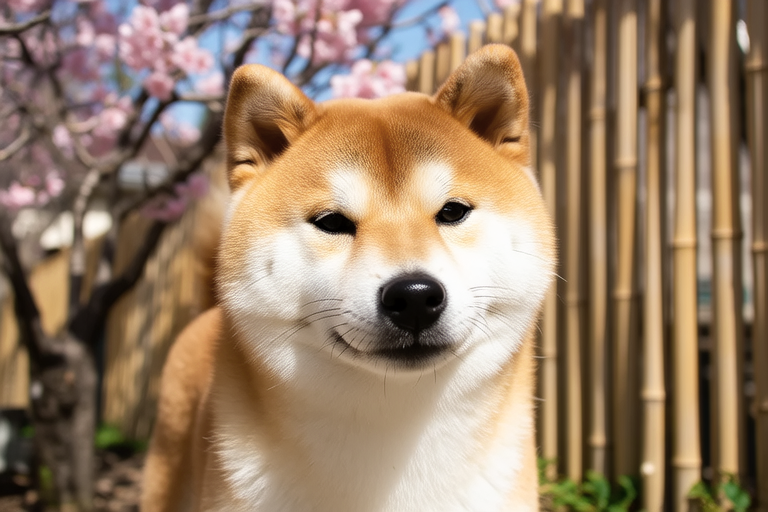
The modern Shiba Inu is characterized by its compact build, thick double coat, and fox-like face. They typically weigh between 17-23 pounds and stand about 14-16 inches tall at the shoulder. Their coats come in three colors: red, black and tan, and sesame (a mix of red and black hairs). The breed’s small size and agility make them well-suited for apartment living, though they require regular exercise to maintain their health and happiness.
Shibas are known for their independent and sometimes stubborn nature, which can make training challenging. However, they are also intelligent and quick learners when motivated by positive reinforcement. Their loyalty and affectionate nature toward their families make them excellent companions. Despite their small size, Shibas are surprisingly sturdy and resilient, capable of adapting to various climates and environments.
Myths and Misconceptions
One common myth about the Shiba Inu is that they are hypoallergenic. While some people believe that short-haired breeds like Shibas produce fewer allergens, this is not entirely true. All dogs produce dander, saliva, and urine, which can trigger allergic reactions in sensitive individuals. However, Shibas do shed less than many other breeds, making them a good choice for those who want to minimize pet hair in their homes.
Another misconception is that Shibas are always “couch potatoes.” While they do enjoy lounging around the house, they also require regular exercise to stay healthy and happy. A daily walk or play session is essential for maintaining their physical and mental well-being. Additionally, Shibas are highly intelligent and curious, so providing them with mental stimulation is just as important as physical activity.
Comparing Wild Ancestors and Modern Shibas
When comparing the wild ancestors of the Shiba Inu to today’s breed, several key differences become apparent. Early Shibas were larger and more robust, better suited for hunting and survival in the wild. They possessed greater stamina and a higher prey drive, allowing them to chase down and capture small game. Their coats were thicker and more weather-resistant, protecting them from harsh environmental conditions.
In contrast, modern Shibas are smaller and more agile, with a focus on companionship rather than hunting. While they retain some of their wild ancestors’ instincts, they have been bred for loyalty, affection, and adaptability. Their physical traits have evolved to suit the needs of their human companions, with shorter legs, a more compact build, and a thicker, more luxurious coat. Their temperament has also changed, with a greater emphasis on playfulness, curiosity, and social interaction.
Conclusion
The Shiba Inu’s journey from wild wolf to beloved domestic pet is a testament to the power of evolution and human ingenuity. From their origins as hunting companions to their current role as cherished family members, Shibas have adapted to changing circumstances with grace and resilience. Their unique combination of independence, loyalty, and affection makes them a popular choice for dog lovers around the world. Whether you’re a seasoned breeder or a first-time pet owner, there’s no denying the charm and appeal of the Shiba Inu.
