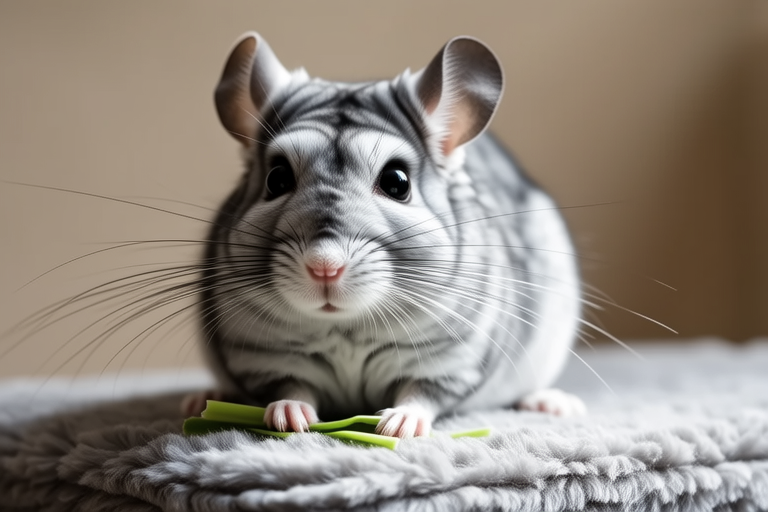
Adorable Fluffballs: How to Keep Your Chinchilla Happy and Healthy
Welcome to the world of chinchillas! These adorable fluffballs are not just cute; they are also unique creatures that require specific care to thrive. Whether you’re a first-time owner or have been keeping these delightful rodents for years, this guide will help you understand how to keep your chinchilla happy and healthy. From their dietary needs to their housing requirements, we’ll cover everything you need to know about chinchilla care.
Chinchilla Diet: Nourishing the Fluffy Friend
One of the most important aspects of chinchilla care is their diet. Chinchillas are herbivores and primarily eat hay, which provides essential fiber for their digestive health. Timothy hay is ideal for adult chinchillas, while alfalfa hay can be given sparingly to younger ones as it is higher in calcium. Pellets formulated specifically for chinchillas are also crucial; they provide necessary nutrients that hay alone might not supply.
In addition to hay and pellets, fresh water should always be available. It’s best to use a sipper bottle designed for small animals to prevent spills and ensure cleanliness. Avoid giving them treats excessively, as sugary snacks can lead to obesity and dental problems. Occasional offerings of plain, unsweetened fruits or vegetables can be given but should not form part of their regular diet.
Housing Requirements: Creating a Safe and Comfortable Home
Chinchillas need a spacious cage with multiple levels for climbing and exploring. The cage should be large enough for your chinchilla to move around freely without feeling cramped. A minimum size of 36 inches wide by 24 inches deep by 30 inches high is recommended for a single chinchilla, though larger cages are preferable if space allows.
Wire flooring is generally avoided because it can cause foot injuries. Instead, opt for solid flooring covered with bedding material such as shredded paper or wood shavings (not cedar or pine). Ensure the cage has adequate ventilation but no drafts, as chinchillas are sensitive to temperature changes. Provide hiding spots like tunnels or boxes where they can retreat when feeling stressed or needing privacy.
Exercise Needs: Encouraging Playful Activity
Despite their small size, chinchillas are very active animals that require regular exercise to stay healthy. In addition to having ample space within their cage, it’s beneficial to allow supervised playtime outside the cage each day. This helps them burn off energy and prevents boredom-related behaviors like chewing on cage bars.
During playtime, offer toys that encourage physical activity, such as chew sticks, wheels, and tunnels. Rotate toys periodically to maintain interest. Remember, however, that wheels should be safe for chinchillas and not too small, as their long tails could get caught.
Grooming Tips: Maintaining That Luxurious Fur Coat
Chinchillas have incredibly dense fur coats, making them one of the most fluffy pets available. While they rarely need baths, dust baths are essential for maintaining their coat’s condition. Offer a shallow container filled with special chinchilla dust at least three times per week for about 15 minutes each session. This helps remove dirt and excess oils from their fur.
Avoid bathing your chinchilla with water, as it can lead to skin irritation or even fungal infections due to prolonged dampness. Regular brushing isn’t necessary unless there’s a specific issue, but checking their fur regularly for mats or signs of parasites is wise. Trimming nails occasionally may also be required, especially if they don’t wear them down naturally through activity.
Common Health Issues: Keeping an Eye Out for Problems
Like any pet, chinchillas can suffer from various health issues. Dental problems are common, particularly malocclusion, where teeth grow abnormally. Signs include drooling, difficulty eating, or swollen cheeks. If noticed, consult a veterinarian specializing in exotic animals immediately.
Respiratory infections can occur if the environment is too cold or damp. Symptoms include sneezing, wheezing, or discharge from the nose or eyes. Prompt veterinary attention is crucial for treatment. Parasites like mites can infest chinchillas, causing itching and hair loss. Regular check-ups and proper hygiene practices can help prevent these issues.
Advice for Social Interaction: Bonding with Your Chinchilla
Chinchillas are generally quiet and solitary animals but can develop strong bonds with their owners. Spend quality time interacting with your chinchilla daily by offering treats during handling sessions. Gently pet them around the head and neck area but avoid touching their back legs, as this can trigger defensive behavior.
It’s important to respect your chinchilla’s boundaries and allow them space when needed. Some chinchillas may prefer limited handling, so pay attention to their body language. Providing companionship through positive interactions will strengthen your bond while ensuring their well-being.
In conclusion, owning a chinchilla is a rewarding experience full of joy and companionship. By understanding and meeting their unique care requirements, you can ensure that your chinchilla lives a long, healthy, and happy life. Remember, patience and consistency are key in providing the best possible care for these adorable fluffballs.
