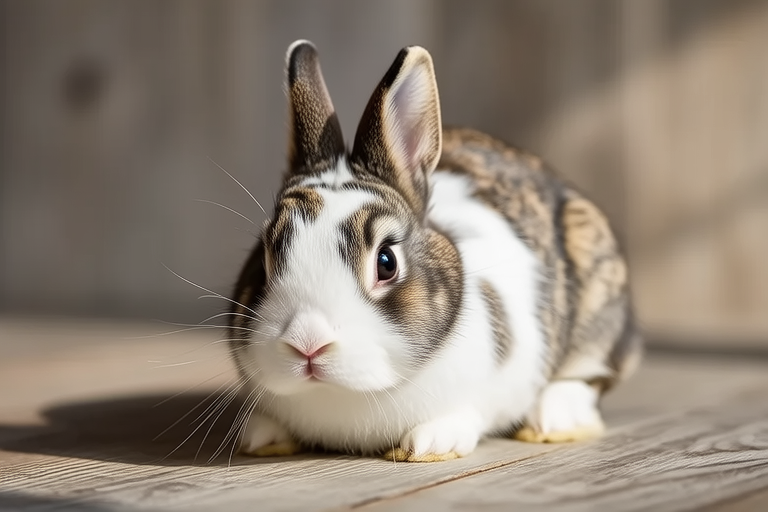
How to Care for Your Tiny Treasure: A Guide to Dutch Dwarf Rabbits
Welcome to the wonderful world of Dutch Dwarf rabbits! These adorable creatures are known for their compact size, charming personalities, and striking appearance. With their distinctive black-and-white markings and friendly demeanor, Dutch Dwarfs have won the hearts of many rabbit enthusiasts. This guide will provide you with all the information you need to care for your tiny treasure, ensuring they live a happy and healthy life.
Introduction: Unique Characteristics of Dutch Dwarf Rabbits
Dutch Dwarf rabbits are one of the smallest breeds, typically weighing between 1.8 and 2.3 kg (4 to 5 lbs). They have short, dense fur that comes in a variety of colors, including white, black, blue, chocolate, and lilac. Their most recognizable feature is the “broken” color pattern, characterized by a white body with dark ears, nose, and feet. This breed is highly intelligent, playful, and affectionate, making them excellent companions for both children and adults.
Housing Requirements
Creating a safe and comfortable living space is crucial for your Dutch Dwarf’s well-being. Here are some key considerations:
- Size: Provide a spacious hutch or cage that allows your rabbit to move around freely. The minimum size should be at least 2.4 meters (8 feet) long and 1 meter (3 feet) wide, with a height of at least 60 cm (2 feet).
- Bedding: Use soft bedding such as straw or hay to make your rabbit comfortable. Avoid pine or cedar shavings, as they can irritate your pet’s respiratory system.
- Shelter: Ensure the shelter is draft-free but well-ventilated. Place the hutch in a quiet area away from direct sunlight and extreme temperatures.
- Toys and Accessories: Include chew toys, tunnels, and other accessories to keep your rabbit mentally stimulated and entertained.
Suitable Diets
A balanced diet is essential for maintaining your Dutch Dwarf’s health. Here’s what to include:
- Fiber: Feed your rabbit a high-fiber diet primarily consisting of hay. Timothy hay is particularly recommended.
- Vegetables: Offer a variety of fresh vegetables daily, such as romaine lettuce, carrots, and bell peppers.
- Fruits: Give fruits sparingly due to their sugar content. Good options include apples and berries.
- Rabbit Pellets: Provide a small amount of high-quality pellets formulated for dwarf rabbits.
- Water: Always ensure fresh water is available. Use a water bottle to prevent contamination.
Grooming Needs
Dutch Dwarfs have short, dense coats that require regular grooming to stay clean and healthy. Here are some grooming tips:
- Bathing: Bathe your rabbit only when necessary, as frequent bathing can strip natural oils from its skin. Use a gentle shampoo specifically designed for rabbits.
- Brushing: Brush your rabbit weekly to remove loose hair and prevent hairballs. Use a slicker brush for short-haired breeds.
- Nail Trimming: Trim your rabbit’s nails every few weeks to prevent overgrowth. Use nail clippers made for small animals and be cautious not to cut the quick.
- Eyebrow Maintenance: Gently trim any excess fur around your rabbit’s eyes to prevent tear staining and irritation.
Exercise Recommendations
Regular exercise is vital for your Dutch Dwarf’s physical and mental health. Encourage your rabbit to play and explore in a safe, enclosed area:
- Playtime: Allow your rabbit supervised time outside its hutch each day. A secure, indoor playpen is ideal for preventing accidents.
- Chew Toys: Provide plenty of chew toys to satisfy your rabbit’s natural chewing instincts and help maintain dental health.
- Running Room: Create a dedicated running area where your rabbit can stretch its legs and burn off energy.
Common Health Issues
Despite their hardiness, Dutch Dwarfs may face certain health challenges. Here are some common issues and how to address them:
- Obesity: Monitor your rabbit’s weight and adjust its diet accordingly. Obesity can lead to various health problems, including heart disease and arthritis.
- Teeth Problems: Overgrown teeth can cause pain and difficulty eating. Regular dental check-ups and providing appropriate chew toys can help prevent this.
- Respiratory Infections: Keep your rabbit’s environment clean and free from drafts to reduce the risk of respiratory infections.
- Diarrhea: Diarrhea can be caused by dietary changes or parasites. Consult a veterinarian if your rabbit experiences persistent diarrhea.
Tips for Socializing and Bonding
Socializing your Dutch Dwarf is important for its emotional well-being. Here are some tips:
- Patience: Approach your rabbit gently and let it come to you at its own pace.
- Positive Reinforcement: Reward good behavior with treats and praise to build trust.
- Handling: Handle your rabbit carefully, supporting its hindquarters to avoid injury.
- Interaction: Spend quality time with your rabbit daily to strengthen your bond.
Sourcing from Reputable Breeders
When acquiring a Dutch Dwarf, it’s important to choose a reputable breeder. Look for breeders who:
- Provide health guarantees for their rabbits.
- Are knowledgeable about the breed and its specific care requirements.
- Allow you to meet the parents and see the living conditions of the rabbits.
- Offer ongoing support and advice after purchase.
Resources for Further Learning
For more information, consider joining local rabbit clubs or online forums where you can connect with fellow rabbit owners. Additionally, books and websites dedicated to rabbit care can provide valuable insights and tips.
Caring for a Dutch Dwarf rabbit is a rewarding experience that brings joy and companionship into your life. By following the guidelines outlined in this article, you can ensure your tiny treasure enjoys a long, healthy, and happy life. Remember, each rabbit is unique, so pay close attention to your pet’s individual needs and preferences.
