From Jungle to Backyard: The Surprising Truth About Keeping a Water Monitor
In the past decade, exotic pet ownership has surged—driven by social media influencers showcasing rare reptiles and viral videos of “tame” monitors playing with their owners. According to a 2023 report by the U.S. Fish and Wildlife Service, over 20,000 individuals were registered as holding non-native reptiles annually, with water monitors (Varanus salvator) among the most commonly reported species in private collections. These large lizards, some reaching nearly six feet in length, are increasingly being marketed as “friendly,” “intelligent,” and even “dog-like” pets. But behind the glossy photos and carefully edited videos lies a complex reality that few prospective owners fully understand.
What Is a Water Monitor?
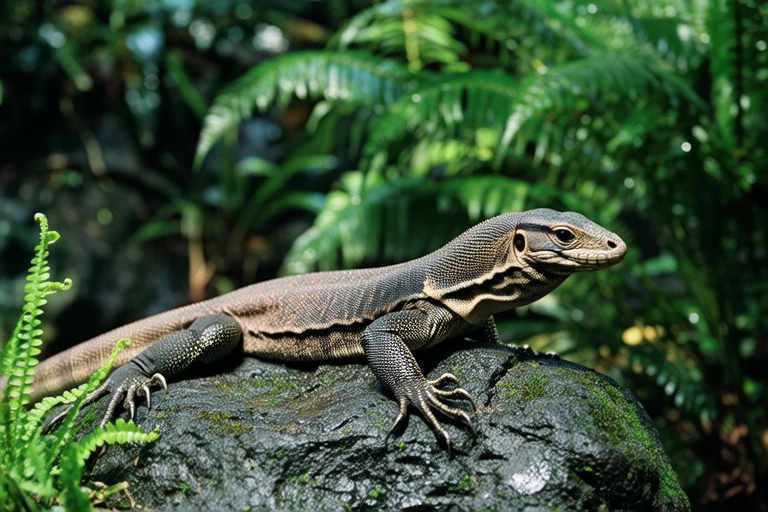
Native to South and Southeast Asia, including countries like India, Thailand, Indonesia, and parts of Malaysia, the water monitor is one of the largest lizard species in the world. Adults typically range from 5 to 6 feet long, with some exceptional individuals exceeding 7 feet. Their bodies are built for both aquatic and terrestrial life: powerful tails used for swimming, strong limbs with sharp claws for climbing and digging, and a streamlined shape that allows them to glide through rivers and swamps with ease.
Coloration varies widely depending on region, but most exhibit a dark green or gray base with yellow or cream markings along the back and tail. Juveniles often have more vivid patterns, which fade as they mature. In the wild, these reptiles are opportunistic feeders—they consume fish, frogs, birds, small mammals, insects, and even carrion. They’re also known for their intelligence; studies have shown they can recognize individual humans, solve simple puzzles, and remember feeding locations.
Despite their formidable size and predatory nature, water monitors play an essential role in their ecosystems. By controlling populations of rodents and other pests, they help maintain ecological balance. In many regions, they’re considered sacred or culturally significant, often revered in local folklore and religious practices.
The Myth of the “Tame” Exotic Pet
A common misconception fuels much of the appeal: that water monitors can be domesticated like dogs or cats. While it’s true that some individuals raised from infancy may appear docile and responsive to human interaction, this behavior is misleading. What looks like affection is often habituation—a learned response to consistent feeding and handling—not genuine companionship.
Herpetologist Dr. Ananya Rao, a senior researcher at the Indian Institute of Ecology, explains: “These animals are not domesticated. They retain their wild instincts throughout life. A water monitor may tolerate handling if it’s accustomed to humans, but stress, fear, or perceived threats can trigger defensive behaviors—like biting, scratching, or tail-whipping—that can cause serious injury.”
Moreover, water monitors are highly territorial. Even well-handled individuals may become aggressive during breeding season or when feeling cornered. Unlike smaller lizards such as leopard geckos or bearded dragons, they do not enjoy frequent handling. Their natural instinct is to retreat, hide, or fight—not cuddle.
The Reality of Care: Space, Diet, and Veterinary Needs
Keeping a water monitor responsibly requires far more than a glass tank and a heat lamp. These animals need vast space—ideally a custom-built enclosure measuring at least 10 feet long, 6 feet wide, and 8 feet high. This isn’t just about room to move; it’s about enabling natural behaviors like climbing, swimming, and burrowing. A typical living room simply cannot accommodate such a creature.
Diet is another major challenge. A healthy adult water monitor requires a varied diet of whole prey items—such as rats, chicks, fish, and occasionally turtle eggs. Feeding them commercially available pellets or inadequate diets leads to nutritional deficiencies, metabolic bone disease, and organ failure. The cost of food alone can exceed $50 per week.
Veterinary care is equally daunting. Most veterinarians lack experience treating large reptiles, and specialized herpetological clinics are rare. When illness strikes—common issues include respiratory infections, parasites, and shell deformities—owners may face delays in treatment or unaffordable procedures. One study found that only 12% of reptile veterinarians in North America regularly treat monitors above 3 feet in length.
Lifespan and Commitment
Water monitors are long-lived. With proper care, they can survive 15 to 20 years—or even longer in captivity. This means owning one is not a short-term experiment but a lifelong commitment. Many people underestimate how much time, money, and emotional energy are required to meet their needs across decades.
Consider this: a juvenile monitor might seem manageable, but within three to five years, it will grow into a powerful animal capable of lifting heavy objects, breaking through enclosures, and posing a physical risk to children, elderly individuals, or pets in the home.
Legal and Ethical Considerations
Across the globe, laws regulating exotic pet ownership vary significantly. In the United States, while federal regulations prohibit importing certain species under CITES (the Convention on International Trade in Endangered Species), water monitors are not currently listed as endangered. However, many states—including California, Hawaii, and New York—ban the possession of water monitors entirely due to ecological risks.
Even where legal, ethical concerns remain. Removing animals from the wild contributes to population decline, especially when done illegally. Poaching and smuggling have led to documented drops in wild monitor numbers in parts of Southeast Asia. Furthermore, captive-bred individuals still carry the same biological and behavioral traits as their wild counterparts—they don’t “adapt” to domestic life.
Dr. Marcus Lin, a conservation biologist with the World Wildlife Fund’s Reptile Initiative, warns: “When people bring these animals into homes, they disrupt the natural order. If released—either accidentally or intentionally—they can outcompete native species, spread disease, and destabilize local ecosystems. We’ve already seen cases in Florida where invasive monitors have established feral populations, threatening native wildlife.”
Risks to Humans and Pets
Despite claims of “gentle giants,” water monitors pose real dangers. Their jaws generate immense bite force—up to 300 psi—capable of crushing bones or severing tendons. A single bite can require stitches, antibiotics, and even surgery. Additionally, their tails are whip-like weapons, capable of delivering painful blows.
There have been documented cases of water monitors escaping from homes and causing panic in neighborhoods. In 2021, a 6-foot monitor was found wandering through a residential area in Texas after its owner failed to secure the enclosure. Local authorities had to deploy wildlife teams to safely capture it. In another incident in Singapore, a monitor broke free during a storm and attacked a neighbor’s dog before being recaptured.
Children and pets are particularly vulnerable. Even well-intentioned owners may not anticipate how quickly a seemingly calm monitor can react to sudden movements, loud noises, or unfamiliar scents.
Responsible Alternatives for Reptile Enthusiasts
For those drawn to reptiles for their unique appearance, intelligence, or quiet demeanor, there are responsible alternatives that align with conservation ethics and practical realities.
First, consider adopting native reptile species. In North America, for example, species like the eastern box turtle, blue-tailed skink, or garter snake are legally permitted in most areas, require far less space, and thrive in appropriate terrariums. These animals are adapted to local climates and ecosystems, making them easier to care for and less likely to cause environmental harm if released.
Second, support conservation efforts. Organizations like the Amphibian and Reptile Conservation Trust, the IUCN Reptile Specialist Group, and local wildlife rehabilitation centers rely on public donations and volunteer work. By contributing your time or resources, you help protect wild populations and their habitats—without removing any animal from the wild.
Third, engage in education. Attend reptile expos hosted by reputable zoos or universities, participate in citizen science projects tracking native species, or join online forums moderated by experienced herpetologists. Learning about reptiles in their natural context fosters appreciation without exploitation.
Finally, advocate for stronger regulations. Support legislation that bans the import and sale of high-risk exotic species, promotes captive breeding transparency, and funds wildlife protection programs. Public awareness is key to reducing demand for dangerous pets.
Conclusion: A Call for Compassion and Responsibility
The image of a water monitor lounging on a backyard patio may look intriguing—but it’s a fantasy rooted in misinformation and romanticized imagery. These remarkable creatures belong in the wild, where their size, strength, and instincts are balanced by the rhythms of nature.
True connection with wildlife doesn’t come from ownership—it comes from respect, observation, and stewardship. By choosing not to keep a water monitor as a pet, we honor their place in the ecosystem and protect both ourselves and future generations from the unintended consequences of exotic pet ownership.
As Dr. Rao reminds us: “We don’t need to own a piece of the wild to appreciate it. The greatest gift we can give to these animals—and to our planet—is to let them live freely, where they belong.”
