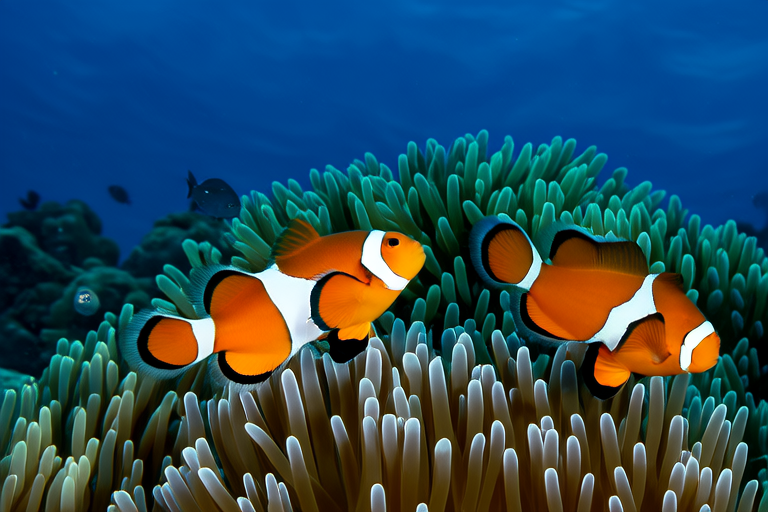
From Nemo to Reality: What It’s Really Like Owning Clownfish As Pets
Clownfish have captured the hearts of many since the release of Finding Nemo, a beloved animated film that showcased the charming and vibrant nature of these fish. The movie’s success has led to a surge in interest among aquarium enthusiasts who dream of bringing a piece of the ocean into their homes. However, owning clownfish comes with significant responsibilities and requires careful planning. This article will guide you through the process of setting up a suitable habitat, understanding dietary needs, addressing common health issues, and exploring the behavior of these fascinating creatures in captivity.
The Popularity of Clownfish
The global fascination with clownfish began with Pixar’s Finding Nemo, which featured the titular character, Marlin, and his son, Nemo. This animated adventure introduced millions of viewers to the world of clownfish, leading to a spike in demand for these colorful fish. Their striking appearance, combined with their relatively hardy nature, makes them a popular choice for both novice and seasoned aquarists. Despite their widespread appeal, it’s crucial to understand the specific needs of clownfish to ensure they thrive in a home aquarium.
Necessary Tank Setup
Tank Size
Choosing the right tank size is fundamental for maintaining a healthy environment for your clownfish. A minimum of 20 gallons (75 liters) is recommended for a single pair or small group. Larger tanks offer more stability in water parameters and provide ample space for swimming and exploration. Clownfish are active swimmers, so they require sufficient room to move around comfortably.
Filtration
Effective filtration is essential to maintain clean and healthy water conditions. A high-quality filter that provides mechanical, biological, and chemical filtration is ideal. Mechanical filtration removes debris and waste, while biological filtration supports beneficial bacteria that break down harmful substances. Chemical filtration helps in removing toxins and impurities. Regular maintenance of the filter ensures optimal performance.
Water Conditions
Clownfish thrive in specific water conditions. Maintaining a temperature between 76°F and 82°F (24°C and 28°C) is vital. The pH level should be kept between 8.1 and 8.4, and the specific gravity should range from 1.020 to 1.025. Regular testing and adjustment of these parameters are necessary to prevent stress and disease in your clownfish.
Decorations
Clownfish appreciate a well-decorated tank that mimics their natural habitat. Incorporating live rock and coral provides hiding spots and encourages natural behaviors such as darting in and out of crevices. Anemones are particularly appealing to clownfish, as they can form symbiotic relationships similar to those depicted in Finding Nemo. While live anemones can be challenging to care for, artificial alternatives are available and serve the same purpose.
Dietary Requirements and Feeding Habits
Clownfish are omnivorous, meaning they eat both plant-based and animal-based foods. In the wild, they feed on algae, zooplankton, and small invertebrates. In captivity, a balanced diet consisting of flake food, pellets, frozen foods like brine shrimp, and occasional treats of fresh vegetables is recommended. Feeding twice daily is sufficient, but avoid overfeeding to prevent water pollution. Clownfish also benefit from occasional live food, which stimulates their natural hunting instincts.
Common Health Issues and Preventive Measures
Like any pet, clownfish are susceptible to various health issues. Common problems include fin rot, ich, and bacterial infections. Fin rot typically occurs due to poor water quality or aggressive tankmates. Ich, a parasitic infection, manifests as white spots on the fish’s body. Bacterial infections can lead to ulcers or lethargy. To prevent these issues, maintain pristine water conditions, perform regular water changes, and quarantine new additions to the tank before introducing them to the main aquarium.
Behavior in Captivity
In captivity, clownfish exhibit unique behaviors that make them delightful to observe. They are social fish that often form pairs or small groups within the tank. Clownfish are territorial and may become aggressive towards other clownfish if space is limited. They are known for their dynamic interactions, including chasing each other and performing intricate dances. Understanding and respecting these behaviors is key to creating a harmonious aquarium environment.
Clownfish also display interesting interactions with other tank inhabitants. They tend to coexist peacefully with most fish species, but it’s important to avoid housing them with highly aggressive or predatory fish. Clownfish can sometimes form symbiotic relationships with certain anemones, providing protection from predators in exchange for shelter.
Advice for New Aquarists
For those considering clownfish as pets, it’s essential to approach the endeavor with realistic expectations and a commitment to responsible care. Owning a saltwater aquarium requires time, effort, and financial investment. Beginners should start with a well-researched plan and gradually build their knowledge and experience. Regular monitoring of water conditions, proper feeding, and timely intervention when signs of illness appear are critical aspects of successful clownfish ownership.
Remember, the joy of keeping clownfish comes from observing their vibrant colors and fascinating behaviors. By providing them with a suitable environment and attentive care, you can enjoy years of companionship with these captivating marine creatures.
