Top 10 Myths About Koi Fish Debunked!
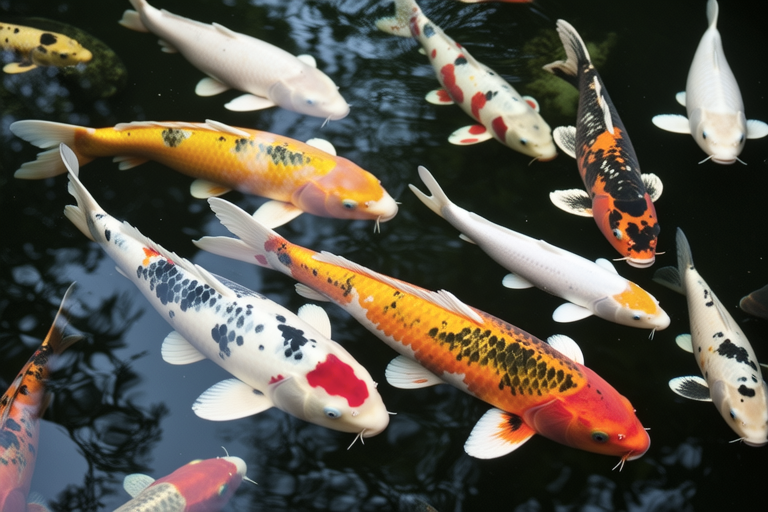
Koi fish, known for their vibrant colors and graceful swimming, have long been a symbol of beauty and serenity in gardens and ponds. However, there are numerous myths surrounding these captivating creatures that can lead to misunderstandings and improper care. Understanding koi fish accurately is crucial for their well-being and the health of your pond ecosystem. This article aims to debunk ten of the most common myths about koi fish, providing you with the knowledge to make informed decisions as a koi owner.
Myth 1: Koi Fish Require Minimal Maintenance
One of the most pervasive myths about koi fish is that they need little maintenance. In reality, koi require significant care to thrive in their environment. Koi ponds must be regularly cleaned to maintain water quality, which is essential for the fish’s health. Filtration systems and regular water changes are necessary to keep the water free from harmful toxins and excess nutrients that can lead to algae blooms. Expert opinion suggests that proper maintenance ensures a longer lifespan and better health for koi fish.
Myth 2: Koi Fish Can Survive in Any Water Temperature
Contrary to popular belief, koi fish cannot survive in any water temperature. They prefer temperatures between 15°C and 25°C (59°F to 77°F). Below this range, their metabolism slows down, making them more susceptible to diseases and less active. Above this range, especially during summer months, water quality can degrade quickly due to increased bacterial activity and reduced oxygen levels. Ensuring optimal water temperature is crucial for maintaining the health of your koi.
Myth 3: Koi Fish Are Easy to Feed
The misconception that koi fish are easy to feed can lead to overfeeding, which poses serious risks to both the fish and the pond ecosystem. Overfeeding results in excess waste and uneaten food sinking to the bottom of the pond, leading to poor water quality and potentially harmful conditions for the fish. Experts recommend feeding koi only what they can consume within five minutes, twice daily. Proper feeding practices are vital for the longevity and health of your koi.
Myth 4: Koi Fish Can Only Live for a Few Years
This myth is far from the truth. Koi fish have a remarkably long lifespan, often exceeding 20 years with proper care. Some records show koi living up to 40 years or more. The longevity of koi depends significantly on their living conditions, including water quality, diet, and overall pond management. By providing optimal care, you can enjoy the company of these majestic fish for many years.
Myth 5: Koi Fish Do Not Need a Filter System
A filter system is not just a luxury but a necessity for koi ponds. Filters help remove harmful substances like ammonia and nitrite, which can be toxic to koi. Additionally, filters promote beneficial bacteria growth, which aids in breaking down organic matter and maintaining water clarity. Without a proper filtration system, the water quality can deteriorate rapidly, posing significant health risks to your koi.
Myth 6: Koi Fish Prefer Shallow Water
Another common myth is that koi fish prefer shallow water. In fact, koi enjoy deeper areas where they can swim freely and find shelter. Deeper ponds also provide better temperature stability, which is crucial for their health. It’s recommended to have at least 1.5 meters (5 feet) of depth to ensure a suitable environment for koi fish. Depth also allows for a more diverse pond ecosystem, which benefits the overall health of the fish.
Myth 7: Koi Fish Will Eat Anything
While koi are omnivorous, it’s a misconception that they will eat anything. Their diet should consist primarily of high-quality koi pellets designed to meet their nutritional needs. Offering a varied diet with occasional treats like vegetables or specific fruits can enhance their health and coloration. Avoid feeding them bread, crackers, or other human foods, as these can cause digestive issues and contribute to poor water quality.
Myth 8: Koi Fish Cannot Be Kept Indoors
Indoor koi tanks can be a viable option for those who lack outdoor space. While koi are traditionally kept in outdoor ponds, indoor setups can be successful if they are properly designed and maintained. Indoor tanks require special attention to lighting, temperature control, and water quality to mimic natural pond conditions. With the right setup, koi can thrive indoors, offering year-round enjoyment.
Myth 9: Koi Fish Are Low-Cost Pets
Investing in koi fish can be costly. High-quality koi can range in price from hundreds to thousands of dollars per fish. Additionally, maintaining a healthy pond environment requires significant financial investment in equipment, such as pumps, filters, and heaters. Regular maintenance costs, including water testing kits and specialized food, further add to the expense. Therefore, owning koi fish is a long-term commitment that requires careful planning and budgeting.
Myth 10: Koi Fish Are Nocturnal
Koi fish are not nocturnal; they are diurnal, meaning they are most active during the day. They spend their days swimming, feeding, and exploring their surroundings. During nighttime, they rest on the bottom of the pond or seek shelter under plants and rocks. Understanding their activity patterns can help you schedule feeding times and observe their behavior more effectively.
Conclusion: Embracing Responsible Koi Fish Ownership
In conclusion, dispelling these myths about koi fish is essential for responsible pet ownership. By understanding their true needs and requirements, you can provide a healthy and thriving environment for your koi. Proper maintenance, balanced diets, and optimal living conditions are key factors in ensuring the longevity and well-being of these beautiful creatures. Embrace the joy and responsibility of owning koi fish, and you’ll be rewarded with years of companionship and admiration.
