Understanding Red-Eared Sliders: A Comprehensive Guide
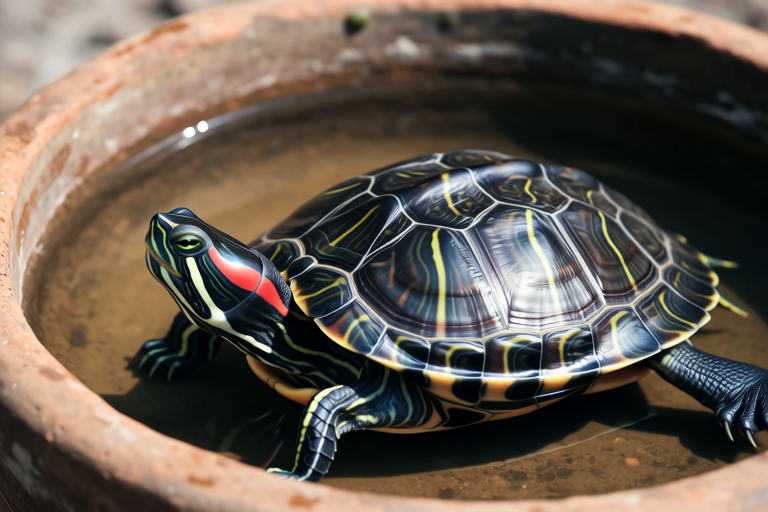
Red-eared sliders (Trachemys scripta elegans) are one of the most popular pet turtle species worldwide. Known for their distinctive red stripes behind their eyes, these semi-aquatic turtles are fascinating creatures with unique behaviors, dietary preferences, and social interactions. This article explores various aspects of red-eared sliders, including their physical characteristics, habitat, diet, social behaviors, common misconceptions, and tips for owners.
Physical Characteristics
Red-eared sliders possess several physical features that are directly linked to their behavior and survival. Their shell, which is dome-shaped, provides protection from predators while allowing them to float efficiently in water. The shell’s design also helps regulate body temperature through basking, an essential activity for maintaining optimal internal temperatures.
Their limbs are another critical feature. The forelimbs have strong claws adapted for digging and swimming, while the hind legs act as powerful paddles for propulsion in water. These adaptations enable red-eared sliders to move swiftly in aquatic environments and dig burrows when necessary.
Habitats
In the wild, red-eared sliders inhabit freshwater environments like ponds, lakes, and slow-moving rivers. They prefer areas with abundant vegetation for cover and basking sites near the water’s edge. In captivity, it’s crucial to replicate these conditions as closely as possible. Providing a large aquarium or pond with plenty of space for swimming and basking areas is vital for their well-being.
Environmental factors such as water quality, temperature, and lighting significantly influence their behavior. Maintaining clean water and ensuring appropriate heating and UVB lighting is essential for their health. Owners must regularly monitor water parameters like pH levels, ammonia, and nitrite concentrations to prevent health issues.
Dietary Preferences
Red-eared sliders are omnivores with a varied diet consisting of plant matter, insects, and small aquatic animals. Juveniles tend to eat more protein-rich foods, whereas adults consume a higher proportion of vegetation. It’s important for owners to offer a balanced diet rich in vitamins and minerals. Pellets specifically formulated for turtles can be supplemented with fresh vegetables, fruits, and occasional protein sources like earthworms or mealworms.
Avoid feeding them iceberg lettuce or processed human foods, as these lack nutritional value and can cause digestive problems. Ensuring proper nutrition promotes healthy growth and prevents deficiencies that could lead to shell deformities or other health issues.
Social Interactions
Contrary to popular belief, red-eared sliders are not solitary creatures but rather exhibit complex social behaviors. In the wild, they live in groups and communicate through visual cues, vocalizations, and chemical signals. Males often engage in courtship displays by extending their front legs and rapidly vibrating their claws near females.
In captivity, providing multiple hiding spots and floating platforms allows them to establish territories and reduce aggression. However, overcrowding should be avoided, as it can lead to stress and competition over resources.
Common Misconceptions
One prevalent misconception about red-eared sliders is that they require minimal care. While they may appear low-maintenance due to their hardy nature, proper husbandry requires dedication. Another myth is that young turtles grow only as large as their enclosure, which isn’t true; they continue growing throughout their lives, potentially reaching sizes up to 30 cm (12 inches).
Additionally, many people believe that these turtles hibernate naturally in all regions, which isn’t accurate. In warmer climates, they remain active year-round, while in colder areas, they brumate (a form of dormancy) during winter months.
Tips for Owners
Observing your turtle’s behavior can provide valuable insights into its health and needs. Normal activities include frequent swimming, basking, and exploring their environment. Signs of distress might manifest as lethargy, refusal to eat, or abnormal swimming patterns.
To encourage natural behaviors, create a stimulating habitat with rocks, plants, and varying water depths. Regular interaction and handling can help build trust between you and your pet. However, always handle them gently to avoid stressing them out.
Environmental Influences
The environment plays a significant role in shaping red-eared sliders’ behavior. In the wild, seasonal changes affect their activity levels and feeding habits. During breeding season, males become more aggressive and territorial, while females focus on finding suitable nesting sites.
In captivity, maintaining consistent environmental conditions mimicking natural cycles can promote healthy behavior. For instance, gradually lowering the water temperature in autumn might trigger brumation, whereas increasing light exposure in spring encourages increased activity.
Scientific Insights
Recent studies have shed light on the cognitive abilities of red-eared sliders. Research indicates that they can recognize individual humans and respond differently based on familiarity. This suggests a level of social intelligence previously underestimated.
Moreover, investigations into their sensory systems reveal remarkable capabilities. Their sense of smell plays a crucial role in detecting prey and avoiding danger, while their vision aids in navigation and communication.
Conclusion
Understanding red-eared sliders involves appreciating their intricate behaviors, dietary requirements, and social dynamics. By creating enriching environments and providing proper care, owners can ensure their pets thrive both physically and mentally. With patience and knowledge, these captivating reptiles make rewarding companions capable of offering years of enjoyment.
