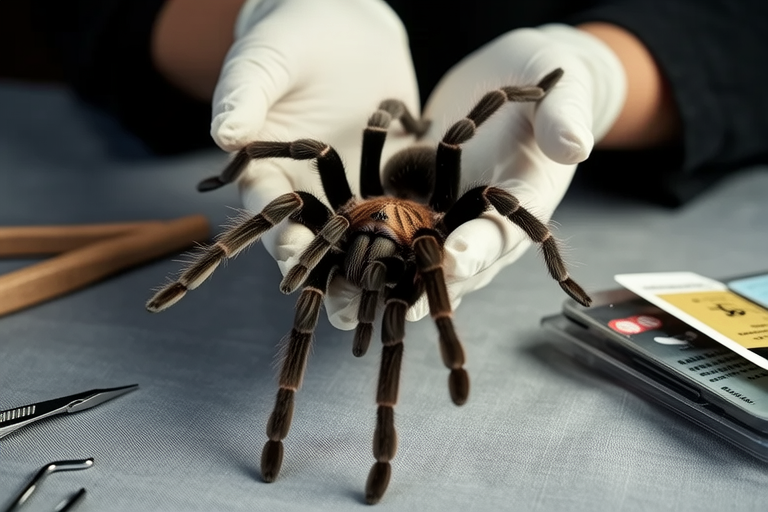
How to Safely Handle Your Tarantula: A Beginner’s Guide!
Welcome to the fascinating world of tarantulas! These incredible creatures have long been misunderstood, but with the right knowledge and care, they can be rewarding pets. Handling your tarantula can be a thrilling experience, but it requires careful preparation, understanding of their behavior, and respect for their space. This guide will walk you through the steps to safely handle your tarantula, ensuring a positive and stress-free experience for both you and your eight-legged friend.
Understanding Tarantula Behavior
Tarantulas are solitary creatures that prefer to be left alone. They are not aggressive by nature but can become defensive if they feel threatened. It is essential to understand their behavior to ensure safe interactions. Tarantulas can display several behaviors indicating their mood:
- Resting Position: When relaxed, a tarantula will usually sit still or move slowly.
- Threatening Posture: If a tarantula feels threatened, it may raise its front legs, lift its abdomen, and display its fangs.
- Brick Defense: Some species will flip onto their backs and play dead when threatened, exposing their urticating hairs.
Learning to recognize these signs will help you gauge whether your tarantula is comfortable and ready for handling.
Necessary Equipment
Before attempting to handle your tarantula, gather the necessary equipment to ensure both your safety and your pet’s well-being:
- Gloves: While not always necessary, gloves provide an extra layer of protection against bites and urticating hairs.
- Handling Tank: A small, escape-proof container to temporarily house your tarantula during handling sessions.
- Soft Brush: For gently brushing off any debris or urticating hairs from your tarantula’s body after handling.
- Hand Sanitizer: To clean your hands before and after handling, reducing the risk of transferring harmful bacteria.
- Light Source: Use a flashlight or other light source to illuminate dark corners of the tank and observe your tarantula’s movements.
Step-by-Step Instructions for Safe Handling
Step 1: Preparation
Handling your tarantula should never be done impulsively. Prepare yourself and your environment to ensure a smooth interaction:
- Select a Suitable Time: Choose a time when your tarantula is active and has had ample time to settle into its surroundings.
- Ensure Proper Ventilation: Make sure the room is well-ventilated and free of strong odors that could distress your tarantula.
- Prepare the Handling Tank: Place the handling tank near your tarantula’s enclosure, ensuring it is clean and free of debris.
Step 2: Approach Your Tarantula
Approaching your tarantula calmly and confidently is crucial to avoid startling it:
- Slow Movements: Move slowly and deliberately to prevent sudden movements that could startle your tarantula.
- Avoid Direct Eye Contact: Tarantulas perceive direct eye contact as a threat. Instead, approach from the side or rear.
- Use a Light Source: If necessary, use a flashlight to gently illuminate your tarantula without shining directly into its eyes.
Step 3: Gently Transfer to Handling Tank
Transferring your tarantula to the handling tank requires precision and care:
- Open the Enclosure Carefully: Open the top of the enclosure slowly, allowing your tarantula time to adjust to the new environment.
- Use a Soft Brush: Gently brush the tarantula into the handling tank, being mindful of its legs and abdomen.
- Secure the Tank: Once inside, close the lid of the handling tank securely to prevent escapes.
Step 4: Interact with Your Tarantula
Now that your tarantula is safely in the handling tank, you can begin interacting with it:
- Observe: Spend some time observing your tarantula’s behavior, noting any changes in posture or movement.
- Handle Gently: If you choose to hold your tarantula, support its entire body, avoiding pressure on sensitive areas like the abdomen.
- Limit Handling Time: Keep handling sessions short, as prolonged exposure can cause stress.
Common Mistakes to Avoid
Handling tarantulas can be intimidating, and beginners often make mistakes that could harm their pet. Here are some common errors to avoid:
- Rushing the Process: Take your time when handling your tarantula, allowing it to acclimate to your presence.
- Squeezing or Pinching: Always handle your tarantula gently, supporting its entire body to avoid injury.
- Ignoring Warning Signs: Pay attention to your tarantula’s behavior; if it shows signs of distress, return it to its enclosure.
- Overhandling: Limit handling sessions to minimize stress and maintain your tarantula’s health.
Tips for Maintaining a Stress-Free Experience
Maintaining a stress-free experience for both you and your tarantula is key to successful handling:
- Patient Handling: Patience is crucial when handling tarantulas. Allow them time to adjust to your presence.
- Respect Their Space: Always respect your tarantula’s need for solitude and avoid overstimulating it.
- Consistent Handling: Regular, gentle handling sessions can help your tarantula become more comfortable with human interaction.
- Positive Reinforcement: Reward your tarantula with treats or additional attention after successful handling sessions.
Ensuring Your Tarantula’s Safety During Interactions
Your tarantula’s safety should always be your top priority. Here are some tips to keep your pet safe during handling:
- Check the Environment: Ensure the handling area is free of hazards such as sharp objects or toxic substances.
- Monitor Temperature: Maintain a consistent temperature within the handling tank to prevent stress or injury.
- Watch for Signs of Distress: Be vigilant for signs of discomfort or distress, returning your tarantula to its enclosure if necessary.
- Use Gloves: Consider wearing gloves to protect both you and your tarantula during handling.
Conclusion
Handling your tarantula can be a rewarding experience when approached with patience, respect, and proper preparation. By understanding your tarantula’s behavior, gathering the necessary equipment, and following these step-by-step instructions, you can enjoy safe and enjoyable interactions with your pet. Remember, tarantulas are delicate creatures that require careful handling, so always prioritize their well-being and comfort. With time and practice, you’ll develop a bond with your tarantula that will bring you joy for years to come.
