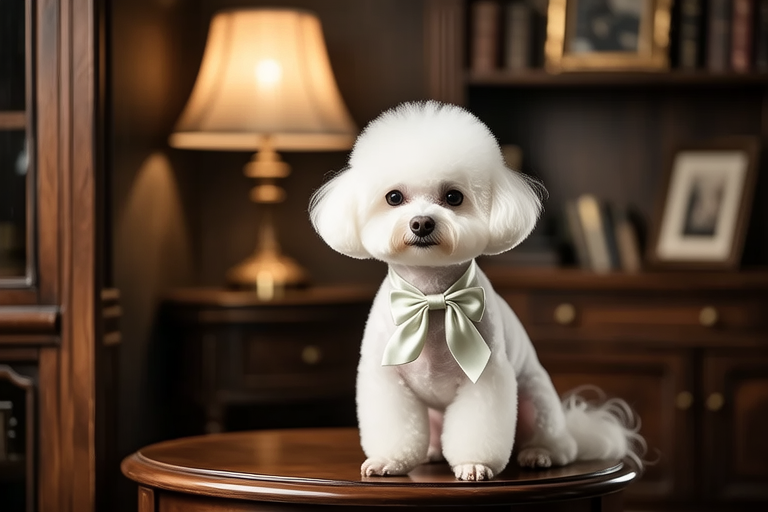
The Evolution of Poodles: From Fashion Accessory to Beloved Companion
Poodles have undergone a fascinating transformation from being exclusive fashion accessories for European nobility to beloved family pets worldwide. This article explores the key historical periods and figures that shaped their status, their intelligence, versatility, and unique coat care requirements, as well as their modern-day roles in therapy work, competitions, and as companions. It also delves into changes in public perception and breeding practices over time and provides insights into why poodles remain popular despite shifting trends in pet preferences.
Historical Origins and Early Adoption by European Nobility
The origins of poodles can be traced back to Germany, where they were bred as water retrievers and hunters. Their name comes from the German word “Pudel,” meaning “to splash in water.” The breed’s webbed feet and waterproof coat made them ideal for retrieving game from water. By the 16th century, poodles had become fashionable among European nobility, particularly in France. They were often seen wearing decorative collars and carrying small dogs on their backs, symbolizing wealth and status. Catherine de Medici, Queen of France, is credited with popularizing the breed during her reign in the 16th century. She brought Italian poodles to her court, and they quickly became favorites among the French aristocracy.
The Role of Poodles in Art and Literature
Poodles frequently appeared in paintings and literature during the Renaissance period, further cementing their status as symbols of luxury and refinement. Artists such as Titian and Frans Hals depicted poodles in their works, showcasing the breed’s elegance and grace. In literature, poodles were often referenced in works by authors like Jane Austen and Charles Dickens, who used them to represent the opulence and sophistication of their characters. These depictions helped solidify the poodle’s reputation as an elite companion animal.
Changes in Public Perception and Breeding Practices
During the 18th and 19th centuries, poodles’ popularity waned due to changing social norms and perceptions of luxury. As the French Revolution and subsequent political upheavals swept across Europe, many noble families lost their wealth and status. Consequently, the demand for poodles as fashion accessories decreased. However, poodles continued to be valued for their intelligence and versatility, making them suitable for various roles beyond mere decoration. Breeders began focusing on refining the breed’s physical attributes, leading to the development of different sizes—standard, miniature, and toy poodles. This diversification allowed poodles to appeal to a broader audience, including those who preferred smaller, more manageable pets.
Modern-Day Roles and Versatility
Today, poodles are recognized for their intelligence, trainability, and adaptability, making them versatile in various settings. Their keen intellect and willingness to please make them excellent candidates for therapy work. Poodles are often employed in hospitals, nursing homes, and schools to provide emotional support and comfort to patients and students. Their gentle nature and calm demeanor make them ideal companions for individuals with anxiety or other mental health conditions. Additionally, poodles excel in competitive events such as agility, obedience trials, and conformation shows. Their athleticism and responsiveness to training enable them to perform complex tasks and routines with precision and grace.
Unique Coat Care Requirements
One of the most distinctive features of poodles is their curly, hypoallergenic coat. Unlike many other breeds, poodles do not shed, which makes them suitable for people with allergies. However, this characteristic also requires regular grooming to prevent matting and tangling. Professional groomers recommend trimming the coat every six to eight weeks to maintain its appearance and health. Owners must also brush their poodles daily to remove loose hair and distribute natural oils throughout the coat. Despite the additional effort required for proper grooming, many poodle enthusiasts appreciate the breed’s unique appearance and the satisfaction of maintaining it.
Public Perception and Popularity
Over time, public perception of poodles has evolved significantly. While once considered solely decorative, they are now cherished for their companionship and intelligence. Poodles have maintained their popularity through various trends in pet preferences, partly due to their adaptable nature and ability to thrive in diverse environments. They continue to be favored by families seeking an intelligent, affectionate, and low-shedding companion. Additionally, poodles’ involvement in therapy work and competitive events has highlighted their value beyond mere aesthetics, further enhancing their appeal.
Conclusion
The evolution of poodles from exclusive fashion accessories for European nobility to beloved family pets worldwide reflects their enduring appeal and adaptability. Throughout history, key figures and periods have shaped their status, while changes in public perception and breeding practices have contributed to their versatility and popularity. Today, poodles remain popular due to their intelligence, trainability, and hypoallergenic coat. Whether serving as therapy animals, competing in agility trials, or providing companionship at home, poodles continue to captivate hearts and minds around the world.
