The Ultimate Guide to Owning and Loving Your Orange Cat
Orange cats, with their striking fur and warm personalities, have long captured the hearts of cat enthusiasts worldwide. Whether you’re a first-time owner or a seasoned cat lover, owning an orange cat can be a rewarding experience. This guide will cover everything you need to know about these delightful felines, from their unique characteristics and common health issues to dietary needs, grooming tips, behavioral traits, training methods, suitable environments, and advice on bonding and playing.
Unique Characteristics of Orange Cats
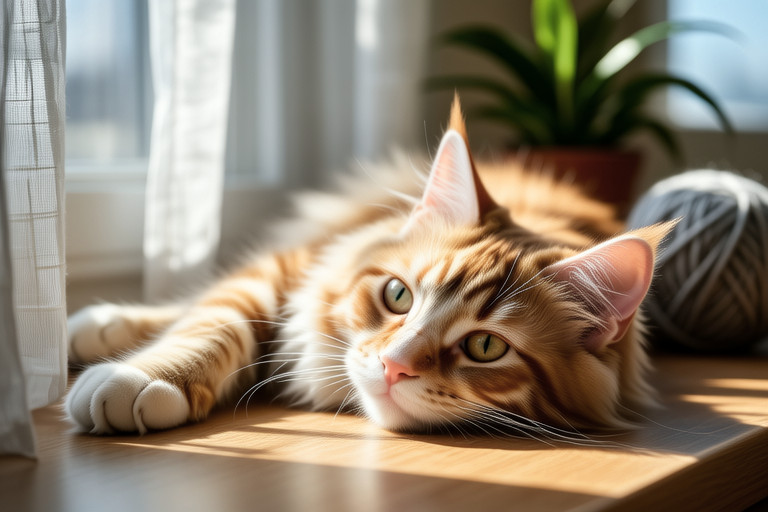
Orange cats come in various shades, from bright orange to rich copper, and they often have expressive green or gold eyes that complement their coat. These cats are typically more muscular and athletic than other breeds, which makes them excellent climbers and jumpers. They are also known for their curious and playful nature, always ready to explore and engage in fun activities.
Common Health Issues
While orange cats are generally healthy, they can be prone to certain genetic conditions. One such condition is hypertrophic cardiomyopathy (HCM), a heart disease that affects many orange cats. Regular veterinary check-ups are essential to monitor their heart health and catch any potential issues early. Additionally, obesity can be a concern for some orange cats, especially if they are overfed or lack sufficient exercise.
Dietary Needs
Proper nutrition is vital for the well-being of your orange cat. High-quality cat food that meets the nutritional requirements of your pet is recommended. Look for foods that contain high levels of protein and fat, as these nutrients are crucial for maintaining muscle mass and energy levels. Avoid feeding your cat human food, as it can upset their digestive system and lead to obesity. Always provide fresh water to keep your cat hydrated.
Grooming Tips
Regular grooming is important for keeping your orange cat’s coat shiny and free of mats. Use a soft brush to gently remove loose hair and prevent shedding. Brushing your cat also helps distribute natural oils throughout their fur, giving them a healthy shine. Bathing should be kept to a minimum, as too much bathing can strip away essential oils from their skin. If your cat requires a bath, use a gentle, pH-balanced shampoo specifically formulated for cats.
Behavioral Traits
Orange cats are known for their playful and sociable nature. They tend to be more active during the day and enjoy interactive playtime with their owners. They are also highly intelligent and can be trained to perform simple tricks. However, like all cats, they can be independent and may prefer solitude at times. Understanding and respecting your cat’s individual personality is key to building a strong bond.
Training Methods
Training your orange cat can be both fun and rewarding. Positive reinforcement, such as treats and praise, works best when teaching your cat new behaviors. Start by rewarding your cat for small achievements, such as coming when called or using the litter box correctly. Be patient and consistent, and avoid punishing your cat for mistakes. With time and effort, your cat will learn to respond to commands and enjoy the training process.
Suitable Environments
Creating a safe and stimulating environment for your orange cat is essential for their happiness and well-being. Provide plenty of vertical spaces, such as shelves and cat trees, for climbing and perching. Ensure that your home is free from hazards, such as toxic plants and small objects that could be swallowed. Consider using cat-safe window screens to allow your cat to enjoy outdoor views while remaining indoors for safety.
Bonding and Playing
Bonding with your orange cat is an important part of ownership. Spend quality time together each day through play, cuddling, and interaction. Interactive toys, such as feather wands and laser pointers, can help stimulate your cat’s hunting instincts and provide entertainment. Engage in regular play sessions to strengthen your bond and keep your cat mentally and physically fit.
Potential Myths About Orange Cats
There are several misconceptions about orange cats that are worth addressing. One common myth is that all orange cats are male. While it’s true that most orange cats are male due to genetics, there are indeed female orange cats. Another myth is that orange cats are less affectionate than other breeds. In reality, orange cats can be just as loving and devoted as any other breed, depending on their individual personalities.
Advice for New and Experienced Owners
New owners should take the time to understand their orange cat’s unique needs and preferences. Research reputable sources for information on cat care and consult with a veterinarian for guidance. Experienced owners may benefit from continuing education on the latest advancements in cat care and training techniques. Both groups can find support and advice from local cat clubs and online communities dedicated to feline enthusiasts.
Ensuring a Happy, Healthy Life for Your Feline Companion
To ensure a happy, healthy life for your orange cat, provide them with a balanced diet, regular veterinary care, and plenty of love and attention. Monitor their behavior and health closely, and seek medical attention promptly if you notice any changes. Keep their environment clean and stimulating, and engage in regular play and interaction. By following these guidelines, you can help your orange cat live a long, fulfilling life.
Owning an orange cat is a joyous experience filled with companionship, love, and adventure. By understanding and meeting their unique needs, you can create a happy and healthy home for your feline friend. Embrace the journey of cat ownership, and cherish the moments spent with your beloved orange cat.
