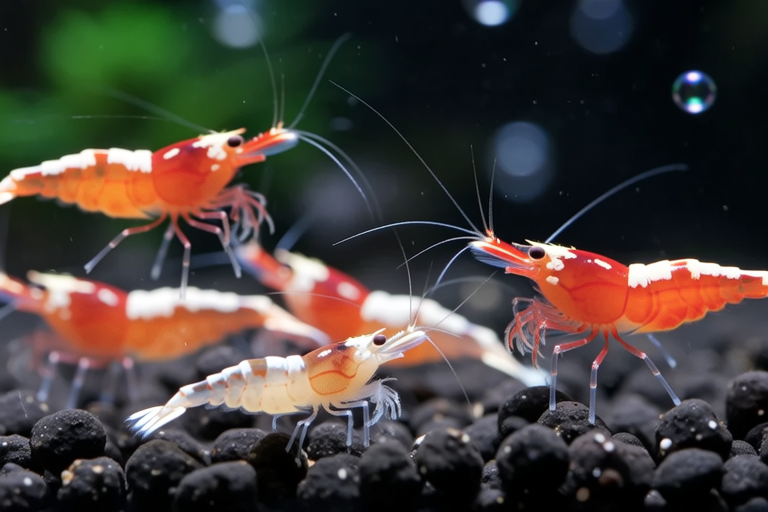
Top 7 Secrets for Keeping Your Coral Shrimp Thriving
Welcome to the vibrant world of saltwater aquariums! Among the most popular and visually appealing inhabitants are coral shrimp. These tiny crustaceans are not only a joy to watch but also play an important role in maintaining the health of your reef tank. In this comprehensive guide, we will explore the top seven secrets for ensuring your coral shrimp thrive. From setting up the perfect environment to understanding their dietary needs and potential health issues, this article aims to provide you with all the necessary information to create a thriving habitat for these delightful creatures.
Understanding Coral Shrimp
Coral shrimp, also known as cleaner shrimp or peppermint shrimp, belong to the genus Lysmata. They are small, colorful, and highly beneficial for your reef tank ecosystem. Their primary role is to clean up detritus, algae, and uneaten food, helping to maintain water quality. However, to ensure they can perform these vital functions effectively, it’s crucial to understand their specific requirements and behaviors.
1. Optimal Tank Conditions
The first secret to keeping your coral shrimp happy and healthy lies in creating the right tank conditions. Start by ensuring your aquarium has stable water parameters. Coral shrimp prefer slightly acidic to neutral water with a pH between 7.8 and 8.4. Maintain salinity at around 1.023 to 1.026 specific gravity, which corresponds to a range of 26 to 30 ppt (parts per thousand). Temperature should be kept between 72°F and 82°F (22°C to 28°C).
Adequate filtration is also essential. Use a high-quality protein skimmer to remove organic waste and keep the water clear. Regular water changes—about 10% weekly—are recommended to maintain water quality and prevent the buildup of harmful substances. Additionally, ensure there is plenty of live rock in the tank, as it provides hiding spots and promotes beneficial bacteria growth.
2. Suitable Diet
Coral shrimp are omnivorous scavengers that feed on microorganisms, algae, and detritus. While they can survive on what they find in the tank, supplementing their diet ensures they stay healthy and active. Offer them a variety of foods such as frozen brine shrimp, mysis shrimp, and small pieces of fish or squid. You can also add algae wafers or flakes specifically designed for marine invertebrates.
Feeding should be done sparingly to avoid overfeeding, which can lead to poor water quality. A good rule of thumb is to offer food every other day, ensuring that any uneaten food is removed after 24 hours. This helps prevent the buildup of excess nutrients that could harm your coral shrimp.
3. Tank Mates Compatibility
Selecting compatible tank mates is crucial for the well-being of your coral shrimp. Generally, they get along well with peaceful fish and invertebrates. However, some species may pose a threat due to their predatory nature or aggressive behavior. Avoid housing coral shrimp with large, aggressive fish like triggerfish, lionfish, or pufferfish. Similarly, avoid placing them with predatory invertebrates like crabs or certain types of snails.
On the other hand, smaller, non-aggressive fish like clownfish, damselfish, and cardinalfish make excellent companions. Other compatible invertebrates include hermit crabs, starfish, and sea cucumbers. It’s always wise to research each potential tank mate thoroughly before introducing them to your aquarium.
4. Regular Maintenance Routines
Maintaining a healthy reef tank requires consistent care and attention. Regular maintenance routines help prevent issues before they become problematic. Start by performing weekly water changes of about 10%. During these changes, check the water parameters and make adjustments if necessary. Cleaning the glass and decorations with a soft brush can also help maintain water clarity and reduce the risk of disease.
In addition to water changes, inspect your coral shrimp regularly for signs of stress or illness. Look for any unusual behavior, such as lethargy, loss of color, or difficulty moving. Early detection of problems allows for prompt intervention, increasing the chances of recovery.
5. Common Health Issues
Despite your best efforts, coral shrimp may still encounter health issues. One of the most common problems is bacterial infections, often caused by poor water quality or physical injuries. Symptoms include cloudy eyes, pale coloration, or lesions on the body. If you notice any of these signs, quarantine the affected shrimp immediately and treat the tank with an appropriate antibiotic or antifungal medication.
Another issue to watch out for is parasitic infestations, particularly from copepods or flatworms. These parasites can weaken your shrimp and spread to other inhabitants. Regular monitoring and early treatment are key to preventing widespread outbreaks. Consult with a veterinarian specializing in aquatic animals for proper diagnosis and treatment options.
6. Creating Hiding Spots
Coral shrimp need hiding spots to feel secure and thrive. Providing ample shelter not only reduces stress but also encourages natural behaviors. Incorporate live rock formations, caves, and crevices into your tank setup. These structures offer refuge and stimulate exploration, mimicking their natural environment.
Additionally, consider adding driftwood or artificial caves designed specifically for aquarium use. These items provide additional hiding places while enhancing the aesthetic appeal of your tank. Ensure that all decorations are securely placed to prevent accidental injury to your shrimp.
7. Encouraging Natural Behavior
To fully appreciate the beauty and utility of coral shrimp, it’s important to encourage their natural behaviors. One way to do this is by incorporating live rock and corals into your tank. The presence of these elements creates a more dynamic environment, encouraging the shrimp to actively engage in cleaning duties.
Another method is to introduce small, manageable prey items like amphipods or copepods. These organisms serve as natural food sources and stimulate hunting instincts. By fostering a rich, diverse ecosystem, you promote overall health and vitality among your coral shrimp.
Conclusion
By following these seven secrets, you can create an ideal environment for your coral shrimp to flourish. Remember that consistency is key; maintaining stable water parameters, providing a balanced diet, and regularly monitoring your tank will go a long way in ensuring the longevity and happiness of your shrimp. With patience and dedication, you’ll be rewarded with a thriving community of these fascinating creatures.
