Top Secrets to Keeping Your Leopard Gecko Happy and Healthy
Welcome to the world of leopard geckos! These charming reptiles are increasingly popular among pet enthusiasts due to their docile nature and relatively low maintenance requirements. However, providing the best care for your leopard gecko requires more than just a tank and some food. This comprehensive guide will walk you through essential topics such as optimal habitat setup, appropriate diet, hydration methods, suitable lighting and temperature conditions, handling tips, signs of health and illness, and preventive care measures. By following these top secrets, you’ll ensure that your leopard gecko lives a long, healthy, and happy life.
Optimal Habitat Setup
Creating a proper environment is crucial for the well-being of your leopard gecko. The enclosure should mimic their natural habitat as closely as possible while ensuring safety and comfort. A standard 10-gallon aquarium or a 12×18-inch terrarium is adequate for a single adult leopard gecko. For multiple geckos, increase the size accordingly.
The substrate should be safe and easy to clean. Many experts recommend reptile carpet or paper towels for ease of cleaning and to prevent ingestion of harmful particles. Avoid substrates like sand, which can cause impaction if ingested.
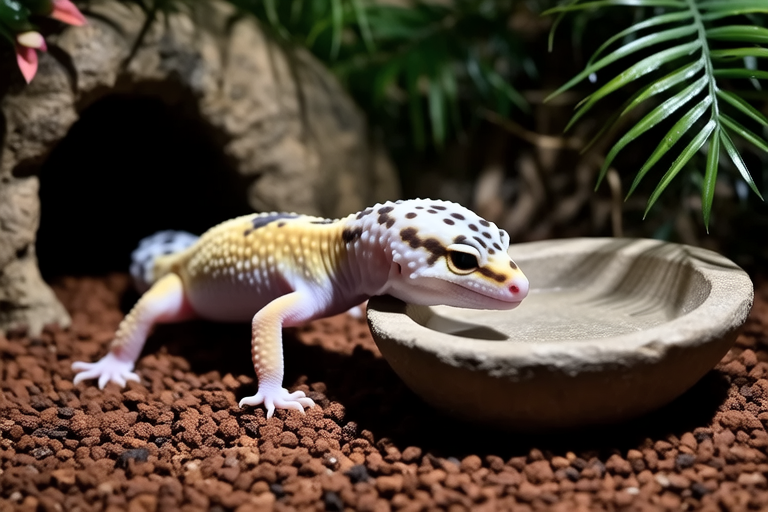
In addition to the main enclosure, provide hiding spots such as caves, cork bark, or half logs. Leopard geckos are nocturnal and require dark, secure places to rest during the day. Include a shallow water dish for drinking and soaking. Regularly clean and refill this dish to maintain hygiene.
Appropriate Diet
Leopard geckos are insectivores, meaning their diet consists primarily of insects. Crickets, mealworms, and waxworms are common choices. Feed your gecko appropriately sized prey items—too large, and they may choke; too small, and they won’t get enough nutrients. Offer prey items no larger than the space between the gecko’s eyes.
Vary the diet to ensure a balanced intake of nutrients. Gut loading the insects with nutritious foods before feeding them to your gecko can significantly enhance their nutritional value. Dust the insects with calcium and vitamin D3 supplements at least twice a week to support bone health and overall well-being.
Hydration Methods
Leopard geckos obtain most of their moisture from their food, but it’s important to provide fresh water daily. Place the water dish in a location where it won’t be easily overturned. Monitor the dish regularly to ensure it remains clean and free of debris.
Some geckos enjoy soaking in water, which can aid digestion and hydration. If your gecko shows interest in soaking, provide a shallow dish filled with lukewarm water. Supervise the soakings to prevent drowning, especially for younger or less experienced geckos.
Suitable Lighting and Temperature Conditions
Maintaining the correct temperature gradient within the enclosure is vital for your leopard gecko’s health. Provide a warm side (basking area) and a cool side to allow the gecko to thermoregulate. Use a heat lamp or under-tank heater to achieve temperatures between 88°F and 90°F on the warm side and 75°F to 80°F on the cool side.
While leopard geckos do not require UVB lighting, providing a low-level UVB bulb can help maintain their circadian rhythms and potentially improve their overall mood. Always consult with a veterinarian or herpetologist regarding specific lighting needs based on your gecko’s individual health.
Handling Tips
Leopard geckos are generally calm and easy to handle, but it’s important to approach them gently and with respect. Always wash your hands before and after handling to prevent the spread of bacteria. Support the gecko’s body fully, avoiding lifting them by the tail, as this can cause injury.
Handle your gecko only when necessary and limit handling sessions to short periods, especially for young or nervous geckos. Observe your gecko’s behavior during handling. If they become stressed or agitated, return them to their enclosure promptly.
Signs of Health and Illness
Regular observation is key to identifying any potential health issues early. A healthy leopard gecko displays clear eyes, vibrant coloration, and active behavior. Watch for signs of illness, such as lethargy, loss of appetite, weight loss, difficulty moving, or discharge from the nose or mouth.
If you notice any concerning symptoms, consult a veterinarian specializing in reptiles immediately. Early intervention can make a significant difference in treating and managing many common health issues.
Preventive Care Measures
Regular veterinary check-ups are essential for maintaining your gecko’s health. Schedule annual visits, or more frequently if your gecko has ongoing health concerns. During these visits, your vet can perform routine examinations, recommend vaccinations, and provide guidance on diet and husbandry.
Implement quarantine procedures for any new additions to your collection. Isolate new geckos for several weeks to monitor their health and prevent the introduction of diseases into your existing group. Additionally, maintain a clean environment by regularly cleaning and disinfecting the enclosure and accessories.
Unique Insights for Enthusiasts
For those looking to deepen their knowledge and provide even better care for their leopard geckos, consider exploring advanced topics such as breeding and genetic diversity. Understanding the genetics behind different color morphs can enhance your appreciation of these fascinating creatures.
Engage with local herpetological societies or online communities dedicated to leopard gecko care. These groups offer valuable resources, advice, and opportunities to learn from experienced keepers. Sharing experiences and best practices can enrich your understanding and enjoyment of leopard gecko ownership.
Conclusion
Caring for a leopard gecko involves attention to detail and commitment to their well-being. By setting up an optimal habitat, providing a balanced diet, ensuring proper hydration, maintaining suitable lighting and temperature conditions, handling them gently, recognizing signs of health and illness, and implementing preventive care measures, you can ensure your leopard gecko thrives. Remember, each gecko is unique, so tailor your care to meet their individual needs. With dedication and love, your leopard gecko will reward you with years of companionship and joy.
