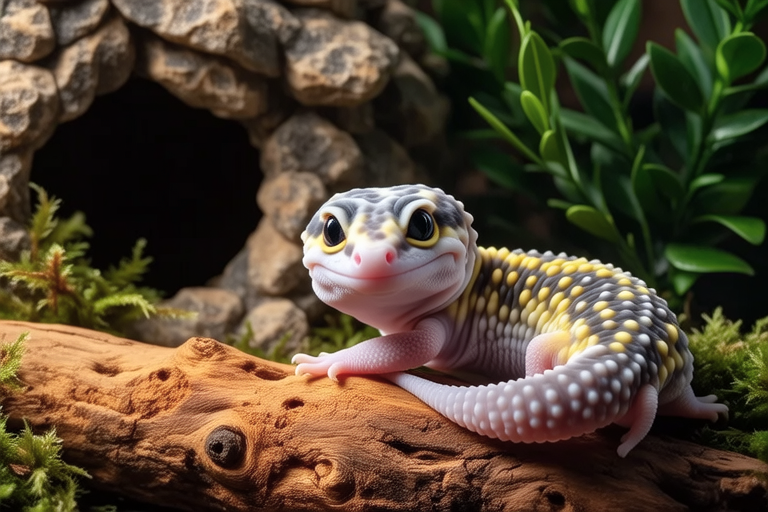
Transforming Your Home into a Leopard Gecko Paradise
Welcome to the world of exotic pets! Leopard geckos have become increasingly popular among reptile enthusiasts due to their docile nature, ease of care, and fascinating behaviors. If you’re considering bringing a leopard gecko into your home, it’s crucial to create a habitat that closely resembles their natural environment. This article will guide you through setting up the perfect leopard gecko paradise, ensuring longevity and well-being for your scaly friend.
Setting Up the Perfect Habitat
The first step in creating a leopard gecko paradise is to establish a suitable habitat. Leopard geckos are nocturnal creatures that prefer burrowing and hiding during the day. Therefore, providing ample hiding spots and creating a secure environment is paramount. Start by selecting an appropriately sized tank, ideally between 10 and 20 gallons, depending on the number of geckos you plan to house.
Once you’ve chosen the right tank size, focus on the substrate. Avoid substrates like sand or gravel, which can pose health risks if ingested. Instead, opt for paper towels or reptile carpet for juveniles, and calcium sand or coconut fiber for adults. These substrates provide a safer environment while still allowing for natural behaviors.
Suitable Temperature and Humidity Levels
Maintaining appropriate temperature and humidity levels is vital for your leopard gecko’s health. Leopard geckos thrive in temperatures ranging from 78°F to 90°F (26°C to 32°C) during the day, with a basking spot reaching up to 95°F (35°C). At night, temperatures can drop slightly but should never fall below 70°F (21°C).
Humidity levels should be kept relatively low, around 30% to 40%, to prevent respiratory issues. To achieve this, ensure proper ventilation in the enclosure and avoid misting excessively. A hygrometer and thermometer are essential tools to monitor these conditions accurately.
Ideal Tank Size and Decorations
Leopard geckos require spacious tanks that allow them to move freely and explore. A 20-gallon tank is sufficient for a single adult leopard gecko, while larger enclosures may be necessary for multiple geckos or breeding purposes. The tank should have a secure lid to prevent escapes and provide adequate ventilation.
Decorate the tank with various hiding spots, such as caves, logs, and artificial plants. These elements not only stimulate your gecko but also provide essential security. Ensure that all decorations are securely fastened and free from sharp edges. Additionally, include a shallow water dish for hydration and occasional soaking.
Dietary Needs
Leopard geckos are insectivores, meaning their diet consists primarily of insects. Offer a variety of prey items, including crickets, dubia roaches, and waxworms. Feed your gecko every other day, adjusting the quantity based on its age and activity level. Juveniles require more frequent feedings compared to adults.
Supplement the insects with calcium and vitamin D3 powders to support bone health and proper metabolism. Dust the insects with these supplements before feeding, following the manufacturer’s instructions. Avoid over-supplementation, as excess vitamins can lead to health problems.
Tips for Maintaining a Healthy Environment
To maintain a healthy environment for your leopard gecko, regular cleaning and maintenance are essential. Spot clean the enclosure daily, removing uneaten food and waste. Perform a thorough cleaning every two weeks, using a reptile-safe disinfectant and ensuring the enclosure dries completely before replacing the substrate.
Monitor your gecko’s behavior and appearance regularly. Signs of illness include lethargy, loss of appetite, weight loss, or changes in stool consistency. Promptly address any concerns by consulting a veterinarian specializing in reptiles.
Common Care Mistakes to Avoid
Several common mistakes can negatively impact your leopard gecko’s health. One prevalent error is housing multiple geckos together. Leopard geckos are solitary animals and may become stressed or aggressive when housed communally. Another mistake is providing inadequate heating, leading to hypothermia or metabolic bone disease.
Additionally, avoid handling your gecko excessively, especially during the first few days after acquiring it. Leopard geckos need time to acclimate to their new environment. Overhandling can cause stress and hinder their ability to thrive.
Unique Behaviors and Traits of Leopard Geckos
Leopard geckos exhibit several unique behaviors and traits that make them captivating pets. One notable behavior is autotomy, where they can voluntarily detach their tail as a defense mechanism. While the tail eventually regrows, it never fully regains its original appearance.
Another fascinating trait is their ability to communicate through body language. Leopard geckos may wave their front legs, bob their heads, or darken their skin color to express dominance or submission. Observing these behaviors can provide insight into your gecko’s mood and social interactions.
Conclusion
Creating a leopard gecko paradise requires attention to detail and a commitment to providing a safe, stimulating environment. By understanding their specific needs and mimicking their natural habitat, you can ensure the longevity and well-being of your scaly companion. With proper care and attention, leopard geckos can thrive in your home, offering years of enjoyment and companionship.
