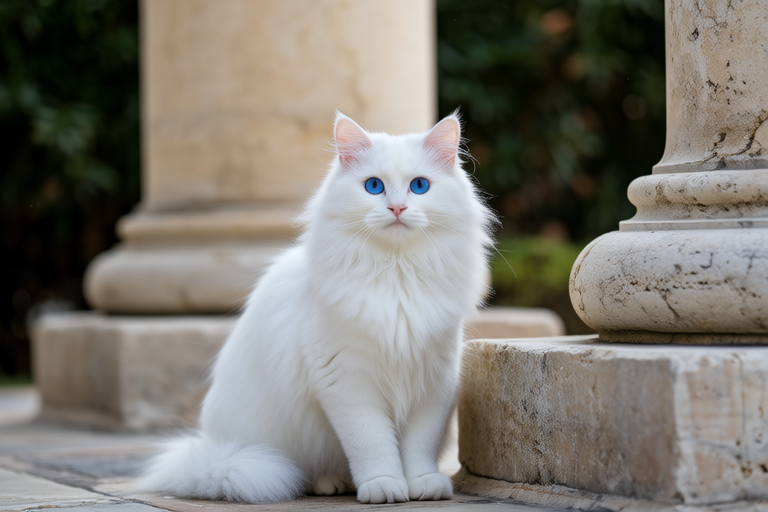
Turkish Angora: The Graceful Feline of Myth and Legend
The Turkish Angora, with its striking appearance and regal demeanor, has long captivated the hearts of cat enthusiasts around the world. Originating from the ancient lands of Turkey, this breed is steeped in history, mythology, and cultural significance. From its elegant physique to its playful yet affectionate nature, the Turkish Angora is a true testament to the beauty and grace that can be found in feline companionship.
A Historical Tapestry
The origins of the Turkish Angora trace back thousands of years, making it one of the oldest domesticated cat breeds. Legends and historical records suggest that these cats were first seen in the Ankara region, now known as Turkey’s capital, where they have thrived in the wild and in homes for centuries. Their presence in Turkish culture dates back to the Ottoman Empire, where they were highly valued by royalty and commoners alike. The breed’s name itself is a nod to its homeland, with “Angora” being the old name for Ankara.
Historically, Turkish Angoras were often depicted in Turkish art and literature, symbolizing elegance and refinement. They were also believed to possess mystical powers, leading to various myths and legends surrounding them. One such legend tells of a Turkish Angora that could predict the future, guiding its owner through difficult times. These stories not only reflect the deep connection between humans and these cats but also highlight the breed’s importance in Turkish folklore.
Cultural Significance
In Turkish culture, the Turkish Angora holds a special place, representing both beauty and resilience. It is often featured in traditional Turkish textiles and carpets, where its sleek coat and graceful form are immortalized. The breed’s presence in Turkish homes is not just a matter of aesthetics; it is a reflection of the country’s rich tapestry of traditions and customs.
The Turkish government recognized the importance of preserving the breed’s purity and established a breeding program at the Ankara Zoo in the 1960s. This initiative aimed to protect the Turkish Angora from crossbreeding and ensure its genetic integrity. Today, the Ankara Zoo continues to play a vital role in maintaining the breed’s distinct characteristics, ensuring that future generations can enjoy the same majestic creatures.
Physical Characteristics
One glance at a Turkish Angora, and you’ll understand why this breed is considered a sight to behold. With its semi-longhair coat, the Turkish Angora boasts a luxurious, silky texture that comes in a variety of colors, from pure white to exotic tabby patterns. The breed’s eyes are particularly striking, often appearing in striking shades of blue, green, or a combination of both, adding to its ethereal appearance.
The Turkish Angora’s body is slender yet muscular, giving it an athletic build that allows for swift and agile movements. Its large ears are set high on its head, enhancing its alert and intelligent expression. The breed’s long tail is another defining feature, often held high like a plume, adding to its overall elegance.
Temperament and Care Requirements
Beyond their stunning looks, Turkish Angoras are known for their playful and affectionate nature. They are highly social animals that thrive in environments where they can interact with their human companions. Their intelligence makes them curious and inquisitive, always ready to explore new surroundings and engage in activities that challenge their minds.
When it comes to care, Turkish Angoras require regular grooming to maintain their coat’s luster and prevent matting. Daily brushing is recommended, especially during shedding seasons. Additionally, their nails need trimming, and their teeth should be regularly checked to ensure good oral hygiene. Regular veterinary check-ups are essential to keep them healthy and happy.
Famous Turkish Angoras
While many Turkish Angoras have made their mark in the world of cat shows, a few have gained particular notoriety for their unique traits and achievements. One such cat is named “Snowball,” who became an internet sensation for her striking white coat and piercing blue eyes. Snowball’s popularity helped raise awareness about the Turkish Angora breed and its distinctive features.
Another notable Turkish Angora is “Sultan,” who won numerous awards in international cat shows for his exceptional beauty and poise. Sultan’s victories have not only brought recognition to the breed but have also inspired many cat lovers to consider adopting a Turkish Angora as a pet.
Modern Times
In modern times, the Turkish Angora continues to be a popular choice among cat enthusiasts. Their presence in cat shows around the world is a testament to their enduring appeal. They are often featured in prestigious events, where judges admire their elegance and grace. The breed’s growing popularity has also led to increased interest in responsible breeding practices, ensuring that future generations of Turkish Angoras will continue to embody the qualities that have made them beloved for centuries.
As pets, Turkish Angoras make wonderful companions, offering a blend of independence and affection. Their playful nature makes them ideal for families with children, while their intelligence ensures that they remain engaged and stimulated. Many owners report that their Turkish Angoras are not only beautiful but also deeply loving and loyal, forming strong bonds with their human families.
Conclusion
The Turkish Angora stands as a symbol of grace, beauty, and cultural heritage. From its origins in ancient Turkey to its current status as a cherished companion, this breed has captured the hearts of many. Whether admired in cat shows, featured in art and literature, or cherished as beloved pets, the Turkish Angora continues to enchant and inspire. As we look to the future, it is clear that this magnificent breed will continue to play an important role in the lives of cat lovers around the world.
