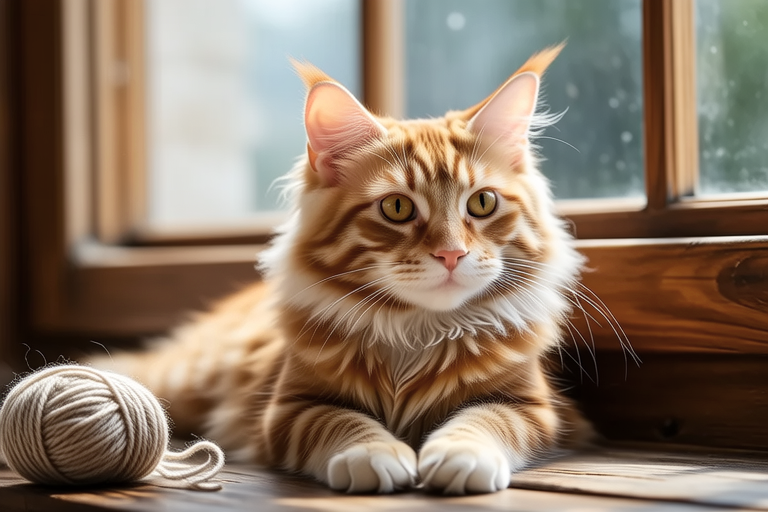
The Unique Behaviors and Lesser-Known Habits of Orange Cats
Orange cats have long been a favorite among cat enthusiasts and owners alike. Their striking appearance, coupled with their distinct personalities, makes them stand out from other feline breeds. In this article, we will delve into the unique behaviors and lesser-known habits of orange cats, focusing on their preferences for cozy environments, social interactions, and distinctive sleeping patterns. We will also explore their dietary habits, playtime activities, and how they interact with different household settings. Additionally, we will debunk some common myths and misconceptions about orange cats.
Cozy Environments: The Preferred Habitat of Orange Cats
Orange cats are known for their preference for cozy, warm environments. They often seek out sunny spots, whether it’s basking by a window or curling up in a soft blanket. This behavior can be attributed to their genetic predisposition towards warmth-seeking tendencies. According to a study published in the Journal of Feline Medicine and Surgery, orange cats tend to have higher body temperatures than other cat breeds, making them more sensitive to temperature changes. Therefore, providing them with a warm, comfortable environment is crucial for their well-being.
When it comes to choosing their resting spots, orange cats often prefer elevated areas that offer a sense of security and privacy. Cat trees, shelves, and window sills are popular choices for these felines. These high vantage points allow them to observe their surroundings while feeling safe and secure. Moreover, orange cats enjoy the company of humans and may even choose to nap next to their owners on the couch or bed. Their preference for close proximity to their human companions can be seen as a sign of trust and affection.
Social Interactions: The Social Nature of Orange Cats
Contrary to popular belief, orange cats are generally quite social and enjoy interacting with both humans and other animals. While some may be more reserved or independent, many orange cats thrive in environments where they receive attention and affection. They often form strong bonds with their owners and may follow them around the house, seeking out opportunities for play and cuddles.
Orange cats are also known for their friendly demeanor when it comes to meeting new people. They tend to approach strangers with curiosity rather than fear, making them excellent candidates for adoption in shelters. However, it’s important to note that every cat is an individual, and some may require time to adjust to new environments and people. Patience and positive reinforcement are key to building a trusting relationship with any cat, including orange ones.
In multi-pet households, orange cats often get along well with other animals, particularly if introduced at a young age. They can coexist peacefully with dogs, birds, and even smaller pets like hamsters. However, it’s always best to supervise initial interactions and ensure all animals feel comfortable and safe.
Distinctive Sleeping Patterns: The Restful Habits of Orange Cats
Orange cats are known for their distinctive sleeping patterns, which can range from brief naps to extended periods of rest. On average, cats sleep between 12 to 16 hours per day, but orange cats may spend slightly more time asleep due to their higher body temperatures. This increased need for rest helps regulate their internal temperature and conserve energy.
Orange cats are also known for their ability to enter deep sleep quickly, often falling into a state of complete relaxation within minutes. This rapid onset of sleep can be observed when they are lying in a comfortable position, such as curled up in a ball or stretched out on their side. During deep sleep, their breathing slows down, and their muscles become completely relaxed, allowing them to fully recharge.
Interestingly, orange cats may also experience what is known as “cat naps,” short bursts of sleep that last only a few minutes. These quick power naps are thought to help cats maintain their alertness throughout the day. While it may seem counterintuitive, these brief periods of rest are essential for their overall health and well-being.
Dietary Habits: What Do Orange Cats Eat?
Orange cats, like all cats, are obligate carnivores, meaning their diet must consist primarily of meat. Their nutritional needs are similar to those of other cat breeds, with a focus on high-quality protein sources such as chicken, fish, and beef. However, orange cats may have slightly different dietary requirements based on their size, activity level, and overall health.
It’s important to provide orange cats with a balanced diet that includes essential nutrients such as taurine, omega-3 fatty acids, and vitamins A, D, E, and K. These nutrients play a crucial role in maintaining their overall health, including their vision, skin, coat, and immune system. Wet food, which contains a higher moisture content, can be beneficial for orange cats, especially if they are prone to urinary tract issues or dehydration.
While treats can be a great way to bond with your orange cat, it’s important to offer them in moderation. Many commercial treats are high in calories and sugar, which can lead to obesity if overfed. Instead, opt for healthy alternatives such as small pieces of cooked chicken or fish, or specially formulated cat treats that promote dental health and joint mobility.
Playtime Activities: The Active Side of Orange Cats
Despite their love for napping, orange cats are surprisingly active and playful. They enjoy engaging in a variety of activities that stimulate their minds and bodies. Toys that mimic prey, such as feather wands or laser pointers, are particularly popular among orange cats. These interactive toys allow them to chase, pounce, and leap, mimicking their natural hunting instincts.
Orange cats also enjoy puzzle toys that challenge their problem-solving skills. These toys typically involve dispensing treats or food when manipulated correctly, encouraging mental stimulation and rewarding their efforts. Puzzle toys can be especially beneficial for indoor cats, who may not have access to outdoor environments for exercise and entertainment.
In addition to toys, orange cats benefit from regular play sessions with their owners. These interactions not only provide physical exercise but also strengthen the bond between the cat and its human companion. Playing together can also help alleviate stress and anxiety, promoting a happier and healthier lifestyle for both the cat and its owner.
Interacting with Different Household Settings: Adaptability of Orange Cats
Orange cats are highly adaptable and can thrive in various household settings, from apartments to large homes. Their ability to adjust to different environments makes them ideal candidates for a wide range of living situations. Whether you live in a bustling city apartment or a quiet suburban home, an orange cat can easily find its place.
In smaller spaces, orange cats may appreciate vertical territory, such as cat trees or shelves, to compensate for limited floor space. These elevated areas provide them with a sense of security and allow them to observe their surroundings. In larger homes, orange cats may explore more freely, investigating every nook and cranny to establish their territory.
Regardless of the setting, it’s important to create a safe and stimulating environment for your orange cat. Provide them with plenty of hiding spots, scratching posts, and toys to keep them entertained. Additionally, ensure that all household hazards, such as toxic plants or small objects, are kept out of reach to prevent accidents.
Myths and Misconceptions: Debunking Common Beliefs About Orange Cats
There are several myths and misconceptions surrounding orange cats that need to be addressed. One common misconception is that all orange cats are male. While it’s true that the majority of orange cats are male, approximately one-third of them are female. The gene responsible for orange coloring is carried on the X chromosome, making it more prevalent in males, who have only one X chromosome. Females, on the other hand, have two X chromosomes, so they require two copies of the orange gene to display the coloration.
Another myth is that orange cats are less intelligent than other breeds. This is simply not true. Orange cats are just as intelligent as any other breed and can learn tricks, respond to commands, and solve puzzles with ease. Their intelligence is often overshadowed by their friendly and easygoing nature, leading some to assume they are less capable. However, with proper training and positive reinforcement, orange cats can excel in a variety of tasks and activities.
Lastly, there is a misconception that orange cats are more aggressive or territorial than other breeds. While it’s true that some orange cats may be more assertive or vocal, this behavior is not exclusive to their breed. Aggression in cats can be influenced by a variety of factors, including genetics, upbringing, and environmental stressors. Providing a stable and enriching environment, along with consistent training and socialization, can help reduce aggressive tendencies in any cat, including orange ones.
Conclusion: Embracing the Unique Charms of Orange Cats
Orange cats are truly remarkable creatures, each with its own set of unique behaviors and habits. From their love for cozy environments and social interactions to their distinctive sleeping patterns and playful nature, orange cats bring joy and companionship to countless households around the world. By understanding and embracing their individuality, we can better care for and enjoy the company of these wonderful felines.
Whether you’re a seasoned cat owner or considering adopting your first pet, orange cats offer a delightful blend of affection, playfulness, and adaptability. With the right care and attention, your orange cat can become a cherished member of your family, bringing years of happiness and companionship to your home.
