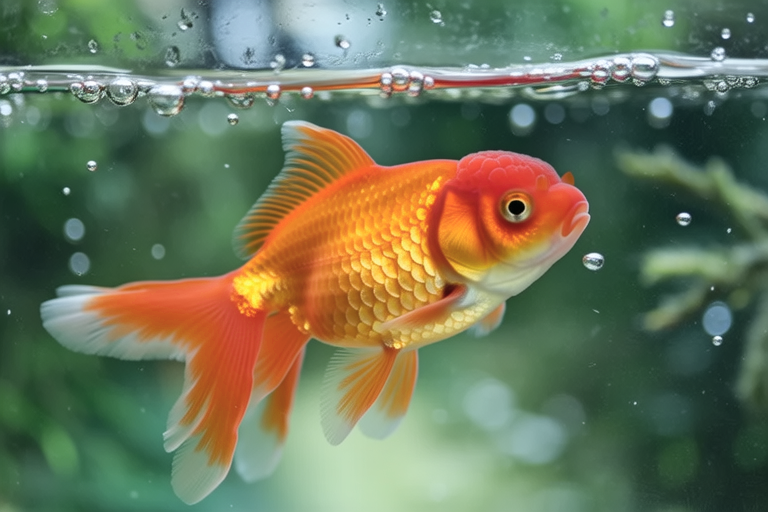
Goldfish Behavior Explained: What Your Pet is Trying to Tell You
Introduction
Goldfish are among the most popular pets worldwide, cherished for their vibrant colors and graceful movements. Often seen as simple creatures, goldfish exhibit a wide range of behaviors that can be both fascinating and perplexing to their owners. Many of these behaviors are misunderstood, leading to misinterpretations about their health and well-being. Understanding your goldfish’s behavior is key to providing them with the best possible care.
Understanding Goldfish Behavior
Goldfish are social animals that communicate through various behaviors. These behaviors can tell us a lot about their mood, health, and the quality of their environment. Let’s explore some common behaviors and what they might mean.
Swimming Patterns
One of the first things you may notice about your goldfish is its swimming pattern. A healthy goldfish will swim gracefully around the tank, exploring and interacting with its surroundings. However, changes in swimming behavior can signal potential issues.
- Floppy Tail: If your goldfish’s tail appears limp or droopy, it could indicate poor water quality, stress, or a nutritional deficiency. Regular water changes and a balanced diet can help address this.
- Erratic Swimming: Erratic swimming, where the fish moves in unpredictable patterns, could suggest health problems like swim bladder disorder. This condition affects the fish’s ability to control its buoyancy.
- Surface Diving: If your goldfish frequently breaks the water surface, it might be gasping for air. This is usually a sign of low oxygen levels in the water, which can be caused by overstocking or insufficient filtration.
Eating Habits
Your goldfish’s eating habits are another important indicator of its health. Healthy goldfish are typically enthusiastic eaters, but changes in appetite can point to underlying issues.
- Overeating: While goldfish have hearty appetites, overfeeding can lead to digestive problems and obesity. Feed your goldfish small amounts of food two to three times a day, ensuring that they consume all the food within a couple of minutes.
- Poor Appetite: A lack of interest in food could indicate stress, illness, or dissatisfaction with the food type. Try offering different types of food or checking the water parameters for any imbalances.
Responses to Stimuli
Goldfish are highly responsive to external stimuli, and their reactions can provide valuable insights into their comfort level and overall health.
- Shyness: A shy goldfish that hides in corners or behind plants may be stressed. Ensure there are plenty of hiding spots and consider reducing the number of tankmates if overcrowding is an issue.
- Aggression: Aggressive behavior, such as chasing or nipping at other fish, can occur due to territorial disputes or inadequate space. Providing more hiding spots and increasing the tank size can mitigate this behavior.
Tips for Owners
Interpreting your goldfish’s behavior requires a keen eye and regular observation. Here are some tips to help you better understand and care for your pet:
- Regular Observations: Spend time watching your goldfish daily. Note any changes in behavior and act promptly if you notice anything unusual.
- Water Quality: Maintain optimal water conditions by performing weekly partial water changes and testing the water regularly for ammonia, nitrite, and nitrate levels.
- Dietary Variety: Offer a varied diet that includes pellets, flakes, and occasional treats like frozen brine shrimp or bloodworms.
- Environmental Enrichment: Provide ample hiding spots, plants, and decorations to stimulate your goldfish’s natural behaviors.
Maintaining a Healthy Habitat
To ensure your goldfish exhibits positive behaviors and thrives, it’s crucial to maintain a healthy and stimulating environment.
- Adequate Space: Goldfish require ample space to swim freely. As a rule of thumb, one inch of fish length per gallon of water is a good guideline, though larger tanks are always preferable.
- Proper Filtration: An efficient filtration system is essential for removing waste and maintaining clean water. Choose a filter that suits your tank size and the number of fish.
- Temperature Control: Goldfish are coldwater fish and thrive in temperatures between 68°F and 74°F (20°C and 23°C). Avoid extreme temperature fluctuations.
- Lighting: Provide 8 to 12 hours of light per day, simulating a natural day-night cycle. Use a timer to automate the lighting process.
By understanding and responding to your goldfish’s behavior, you can create a harmonious and healthy environment for your aquatic companion. Remember, each goldfish is unique, and what works for one may not work for another. Stay observant, be patient, and enjoy the rewarding experience of caring for these delightful creatures.
