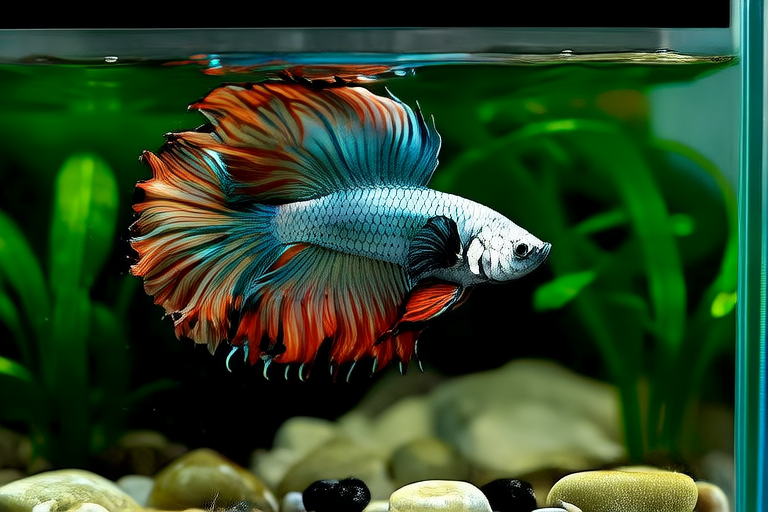
Betta Care Made Easy: Essential Tips for Beginners
Welcome to the world of Betta fish care! These beautiful, vibrant fish can be a delightful addition to any home aquarium. However, as with any pet, they require specific care to thrive. This guide will walk you through the essential steps to ensure your Betta is happy and healthy, providing you with all the information you need to get started.
Choosing the Right Tank Size
The first step in Betta care is selecting the appropriate tank size. Many people believe that Bettas can live in small containers, but this is a misconception. Bettas need more space than just a bowl or vase. The ideal minimum tank size for a Betta is about 5 gallons. This size allows for adequate swimming space and helps maintain better water quality.
When setting up your Betta’s home, choose a tank with a lid to prevent them from jumping out. A larger tank (10 gallons or more) is even better if you have the space and can provide additional benefits such as better filtration and more room for decorations.
Water Quality Maintenance
Maintaining good water quality is crucial for your Betta’s health. Here are some key points to remember:
- Filtration: A filter helps keep the water clean by removing waste and debris. Choose a filter that matches the size of your tank and is designed for freshwater aquariums.
- Water Changes: Regular water changes are necessary to remove toxins and maintain water quality. Aim to change about 25% of the water weekly.
- Temperature: Bettas prefer water temperatures between 76°F and 82°F (24°C to 28°C). Use a heater to maintain consistent temperatures.
- pH Levels: The pH level should ideally be around 6.5 to 7.5. Test kits can help you monitor and adjust these levels if necessary.
Suitable Tank Mates
Bettas can be territorial, especially with other male Bettas. Therefore, it’s important to choose compatible tank mates carefully. Here are some suggestions:
- Female Bettas: Female Bettas can be housed together, provided there is enough space and hiding spots.
- Non-Betta Fish: Some peaceful, slow-moving fish like mollies, guppies, and platies can coexist with Bettas. Avoid aggressive or fin-nipping species.
- Invertebrates: Shrimp and snails can be good tank mates as long as they don’t disturb the Betta’s territory.
Always research potential tank mates thoroughly before introducing them to your Betta’s environment.
Proper Diet
Feeding your Betta a balanced diet is vital for their health and longevity. Here’s what you need to know:
- Diet Variety: Offer a mix of high-quality flake food, pellets, and frozen or freeze-dried foods like bloodworms, brine shrimp, and daphnia. This variety ensures they receive all necessary nutrients.
- Frequency: Feed your Betta two to three times daily, offering only as much food as they can consume within a few minutes.
- Avoid Overfeeding: Excess food can lead to poor water quality and health issues. Remove any uneaten food promptly.
Common Health Issues
Like any living creature, Bettas can encounter health problems. Here are some common issues and how to address them:
- Fin Rot: This condition causes the fins to become frayed or disintegrate. It is often due to poor water quality. Improve water conditions and treat with medication if necessary.
- Ich: Characterized by white spots on the body, Ich is caused by parasites. Increase water temperature and use appropriate treatments.
- Bloat: This can indicate overfeeding or internal parasites. Fast your Betta for a day or two and consult a vet if symptoms persist.
Regular observation of your Betta’s behavior and appearance can help you catch potential issues early.
Tips for Creating a Stimulating Environment
Your Betta’s environment should be both functional and enjoyable. Here are some ideas to enhance their habitat:
- Decorations: Add plants, caves, and rocks to provide hiding spots and enrich their environment. Live plants can also improve water quality.
- Lighting: Provide gentle lighting to mimic natural daylight cycles. Avoid overly bright lights which can stress your Betta.
- Background: Consider adding a background to your tank to create a more natural and aesthetically pleasing setting.
- Water Movement: While Bettas prefer still water, a slight current can be beneficial. Install a low-flow filter or air pump to create a gentle flow.
Conclusion
Caring for a Betta fish is a rewarding experience when done correctly. By following these guidelines—choosing the right tank size, maintaining water quality, selecting suitable tank mates, providing a proper diet, addressing common health issues, and creating a stimulating environment—you can ensure your Betta lives a long, healthy life. Remember, patience and attention to detail are key. With time, you’ll develop a deeper understanding of your Betta’s needs and preferences, further enhancing their well-being.
