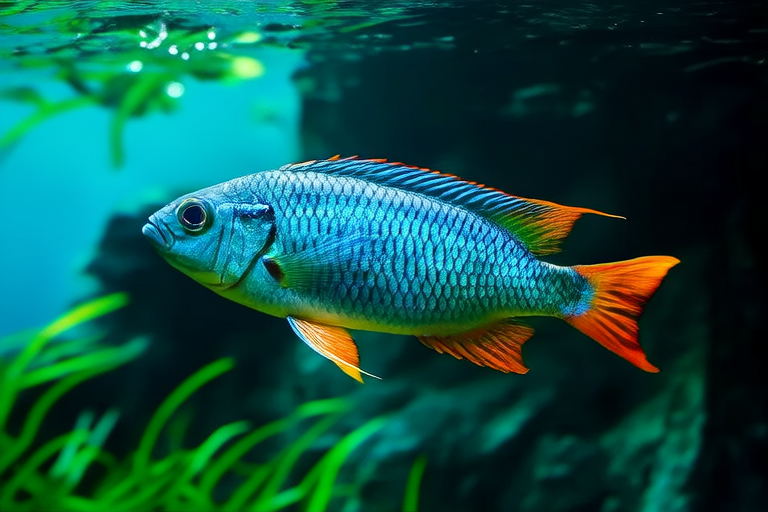
Unlocking the Mysteries of Rajah Cichlid: A Complete Care Guide
The Rajah Cichlid, also known as Aequidens rivulatus, is a captivating and vibrant freshwater fish native to the Amazon Basin. This species is not only admired for its striking appearance but also for its complex behaviors and unique care requirements. Whether you’re a novice or an experienced aquarist, this comprehensive guide will provide you with all the necessary information to successfully care for your Rajah Cichlids.
Habitat Setup
Creating an appropriate habitat for your Rajah Cichlids is crucial for their well-being. These fish thrive in environments that closely mimic their natural habitats.
- Tank Size: A minimum tank size of 75 gallons is recommended for a single Rajah Cichlid. Larger tanks are ideal for multiple fish to reduce stress and aggression.
- Water Parameters: Maintain a pH range between 6.0 and 7.5, with a temperature of 75-82°F (24-28°C). Regular water changes and filtration are essential to keep these parameters stable.
- Substrate and Decorations: Use fine gravel or sand as substrate. Provide plenty of hiding spots with driftwood, caves, and rock formations to simulate their natural environment.
- Plants: Incorporate hardy plants like Java Fern and Anubias. These plants offer shelter and contribute to the overall aesthetics of the aquarium.
Dietary Needs
Rajah Cichlids are omnivorous, requiring a balanced diet to maintain optimal health.
- Flake Foods: High-quality flake foods are suitable for daily feeding.
- Pellets: Offer sinking pellets specifically formulated for cichlids.
- Frozen Foods: Supplement their diet with frozen bloodworms, brine shrimp, and daphnia.
- Vegetables: Introduce blanched vegetables such as spinach, zucchini, and peas to ensure they receive necessary nutrients.
- Frequency: Feed them twice daily, providing small portions to avoid overfeeding.
Behavior and Temperament
Rajah Cichlids are known for their aggressive nature, especially during breeding periods. Understanding their behavior is key to maintaining harmony in your aquarium.
- Solitary Nature: They prefer solitude and can become territorial when kept in smaller groups.
- Breeding Aggression: During spawning, males can become highly aggressive towards other fish, including females.
- Compatibility: Avoid keeping them with smaller, less aggressive species. Opt for robust, similarly sized fish that can defend themselves.
Breeding Information
Breeding Rajah Cichlids can be rewarding but requires careful planning and preparation.
- Conditioning: Prior to breeding, condition the parents with high-quality food rich in proteins.
- Spawning Site: Provide a secluded area with flat rocks or caves for spawning.
- Eggs: The female will lay around 200-300 eggs, which the male will fertilize. Both parents will guard the eggs until they hatch.
- Fry Care: After hatching, the fry will remain attached to the substrate for a few days before becoming free-swimming. Feed them infusoria or commercially available fry food.
Common Health Issues
Rajah Cichlids are generally hardy, but they can still fall prey to certain health issues.
- Ich: Characterized by white spots on the body and fins, Ich is a common parasite that thrives in poor water conditions.
- Fin Rot: Caused by bacteria, fin rot manifests as frayed or disintegrating fins. It’s often a result of stress or poor water quality.
- Hexamita: An internal parasite causing lethargy, loss of appetite, and sunken eyes. Hexamita is more prevalent in stressed or weakened fish.
- Prevention: Regular water changes, proper diet, and maintaining optimal water parameters are key to preventing these ailments.
Tips for Maintaining a Healthy Environment
To ensure the long-term health and happiness of your Rajah Cichlids, follow these tips:
- Regular Maintenance: Perform weekly water changes of about 20% to remove waste and toxins.
- Monitoring: Keep a close eye on water parameters and fish behavior. Early detection of problems can prevent further complications.
- Stress Reduction: Minimize sudden changes in water chemistry and tank mates to reduce stress.
- Proper Filtration: Invest in a high-quality filter that can handle the bioload of your aquarium.
In conclusion, the Rajah Cichlid is a fascinating and rewarding fish to keep. By understanding their specific habitat, dietary needs, behavior, and potential health issues, you can provide them with the best possible care. With patience and dedication, you’ll enjoy the beauty and complexity of these remarkable creatures.
