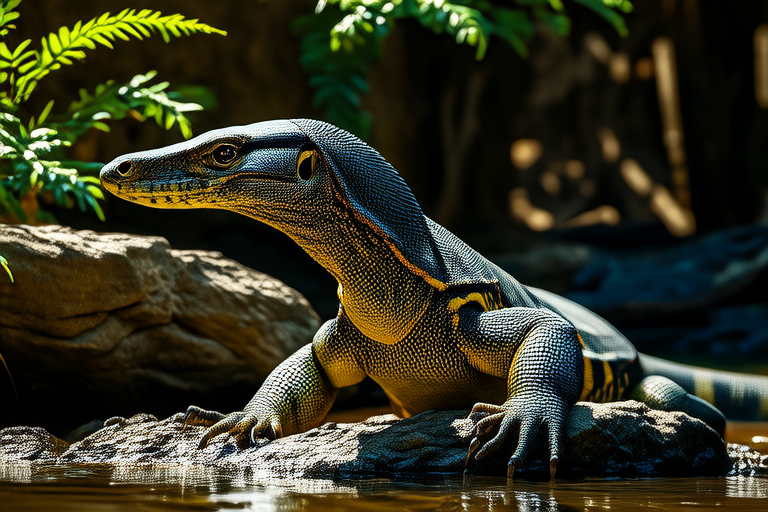
The Water Monitor: A Closer Look at This Enigmatic Reptile as a Pet
Water monitors (Varanus salvator) are among the most impressive reptiles that can be kept as pets. These large, intelligent lizards are native to Southeast Asia and have captivated the interest of reptile enthusiasts around the world. With their unique characteristics, intriguing behaviors, and complex care requirements, water monitors offer an exciting but challenging experience for dedicated pet owners.
Unique Characteristics of Water Monitors
Water monitors are known for their impressive size, reaching lengths of up to 3 meters (9 feet) in the wild. They are highly adaptable creatures, thriving in both aquatic and terrestrial environments. Their habitats range from dense tropical forests to mangrove swamps, rivers, and even urban areas. In captivity, providing a suitable environment for these reptiles is crucial to their well-being.
Diet-wise, water monitors are opportunistic feeders, consuming a wide variety of prey, including insects, small mammals, birds, fish, and even carrion. Their powerful jaws and sharp teeth enable them to tackle larger prey, making them formidable predators. In captivity, owners must provide a balanced diet consisting of appropriate-sized rodents, feeder fish, and occasional insects to ensure optimal health.
Responsibilities and Considerations for Owning a Water Monitor
Owning a water monitor comes with significant responsibilities and considerations. Firstly, housing is a critical aspect. These lizards require spacious enclosures that mimic their natural habitats. The enclosure should include ample space for swimming, climbing, and basking. Additionally, water monitors need a large water area that allows them to submerge completely. The enclosure should also be escape-proof, given the strength and intelligence of these reptiles.
Care requirements extend beyond just housing. Proper temperature regulation is essential for water monitors, as they are ectothermic and rely on external heat sources to regulate their body temperature. Maintaining a temperature gradient within the enclosure, with a warm basking spot and cooler areas, ensures that the lizard can thermoregulate effectively. Humidity levels should also be carefully monitored, as water monitors thrive in humid environments.
Legal aspects are another important consideration. Due to their size and the potential risks associated with keeping such large reptiles, owning a water monitor may be subject to strict regulations in some regions. Prospective owners should research local laws and obtain necessary permits before acquiring a water monitor. Additionally, it’s vital to consider the ethical implications of keeping wild animals in captivity.
Behavior and Interaction with Humans
Water monitors are known for their intelligence and curiosity. They exhibit complex behaviors, such as problem-solving skills and the ability to learn from experiences. While they are generally wary of humans in the wild, captive-bred water monitors can become accustomed to regular handling and interaction. However, it’s important to note that these lizards retain their wild instincts, and sudden movements or loud noises may trigger defensive responses.
Interaction with humans can vary depending on the individual monitor’s temperament and the owner’s approach. Some water monitors may tolerate gentle handling and even enjoy being petted, while others may remain more distant. Owners should respect the boundaries of their pet and avoid forcing interactions that could cause stress or fear.
Potential Challenges for Owners
Owning a water monitor presents several challenges. One of the primary challenges is the sheer size of these reptiles. As they grow, they require increasingly larger enclosures and more resources. Providing adequate space and enrichment can be costly and time-consuming. Additionally, the long lifespan of water monitors, which can exceed 20 years, means a significant commitment from the owner.
Health issues can also pose challenges. Water monitors are susceptible to various health problems, including respiratory infections, metabolic bone disease, and parasites. Regular veterinary check-ups and proper husbandry practices are essential to maintaining their health. Furthermore, water monitors can be aggressive when threatened, and their powerful jaws and claws make them potentially dangerous if mishandled.
Advice for Prospective Owners
For those considering owning a water monitor, it’s crucial to thoroughly research and prepare. Prospective owners should assess their ability to meet the physical and emotional needs of this reptile. They should also ensure they have the financial resources and time commitment required to provide a suitable living environment.
Prospective owners should seek guidance from experienced breeders and veterinarians who specialize in exotic reptiles. Learning from others’ experiences and gaining practical knowledge can help mitigate potential challenges and enhance the overall experience of owning a water monitor.
Conclusion
Water monitors are fascinating creatures with unique characteristics, behaviors, and care requirements. While they offer an exciting opportunity for reptile enthusiasts, they may not be suitable for every household. Their size, complexity, and long-term commitment make them a challenging pet for many individuals.
For those willing to take on the responsibility and provide the necessary care, water monitors can be rewarding companions. Their intelligence, adaptability, and striking appearance make them a captivating addition to any reptile collection. However, it’s essential to approach the ownership of these magnificent creatures with careful consideration and dedication.
