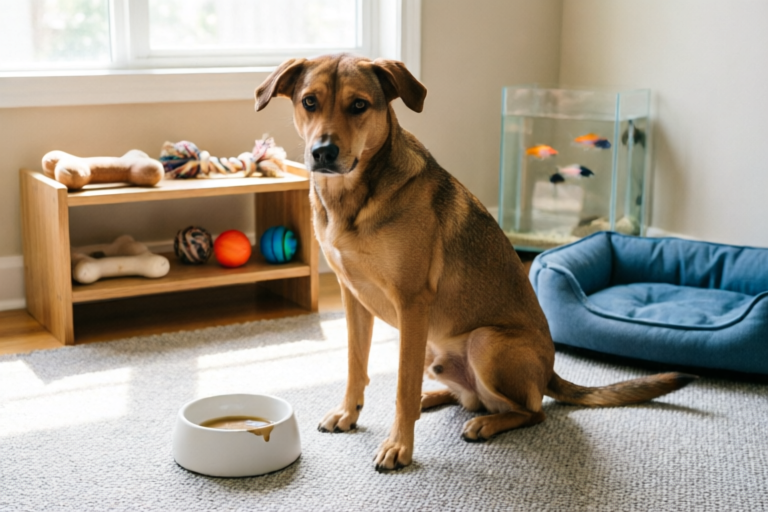
Top Tips for Understanding Your Dog's Body Language
Enhance Your Bond with Your Pet by Decoding Their Body Language
Introduction
Understanding your dog's body language is crucial for maintaining a strong and healthy relationship with your pet. By recognizing the subtle cues your dog provides, you can better anticipate their needs, respond appropriately, and prevent potential conflicts. This knowledge not only improves the bond between pet owners and their dogs but also ensures the safety and happiness of both parties.
1. Understanding Basic Facial Expressions
How to Read a Dog’s Facial Expressions
Dogs use their faces to express a wide range of emotions. A relaxed mouth indicates contentment, while bared teeth can signify aggression or submission. Raised eyebrows often suggest curiosity or surprise. It's important to note that certain expressions may vary among different breeds. For instance, some breeds naturally have more pronounced wrinkles or folds around their eyes and mouths, which can sometimes be mistaken for specific emotions.
Common Mistakes in Interpreting These Expressions
One common mistake is assuming that all bared teeth mean aggression. In fact, dogs may bare their teeth when they are nervous or trying to appear non-threatening. Another frequent error is misinterpreting a relaxed jawline as a sign of indifference. Dogs often relax their mouths when they are comfortable and at ease.
Examples of Different Breeds' Typical Facial Expressions
Some breeds, like Bulldogs, have naturally wrinkled faces, making it harder to discern subtle expressions. On the other hand, sighthounds like Greyhounds tend to have more expressive eyes, which can provide valuable clues about their emotional state.
2. Interpreting Tail Movements
The Significance of Tail Position and Movement
A dog's tail is one of the most visible indicators of its emotional state. A high-held tail usually means the dog is confident or excited, whereas a low-hanging tail can indicate fear or submission. A tucked tail suggests extreme fear or anxiety. The movement of the tail is equally important; a slow, relaxed wag typically signifies contentment, while a rapid, stiff wag might indicate arousal or aggression.
Factors That Influence Tail Behavior
Several factors can affect how a dog wags its tail. Environmental conditions, such as loud noises or unfamiliar surroundings, can cause changes in tail behavior. Additionally, the breed of the dog plays a significant role. For example, some breeds, like the Basenji, do not wag their tails at all.
Practical Tips for Observing Your Dog’s Tail in Various Contexts
To better understand your dog's tail movements, observe them in different environments and situations. Notice how their tail behaves during playtime, walks, or when meeting new people or animals. Pay attention to any patterns or consistencies in their behavior.
3. Reading Posture and Movement
Different Postures That Indicate Comfort, Discomfort, or Aggression
A dog's posture can reveal a lot about its emotional state. A relaxed, loose stance with a lowered head and drooping tail suggests contentment. Conversely, a tense, rigid posture with raised hackles may indicate aggression or fear. Hunched shoulders or crouched legs can signal discomfort or pain.
Recognizing Subtle Shifts in Posture That Signal Changes in Mood
Subtle changes in posture can be early indicators of shifting emotions. For example, a dog that initially seems relaxed but gradually shifts its weight onto its hind legs might be preparing for action or feeling threatened. Regular observation can help you become more attuned to these minor shifts.
The Role of Movement Speed and Direction in Conveying Emotions
The speed and direction of a dog's movements can also provide insights into its emotional state. Quick, jerky movements may indicate excitement or nervousness, while slow, deliberate movements can suggest calmness or lethargy. Pay attention to the direction of movement as well; dogs often move toward things they are interested in and away from things they find threatening.
4. Decoding Ear Positions
The Meaning Behind Forward, Backward, Flattened, and Perked Ears
The position of a dog's ears can offer valuable information about its emotional state. Forward-facing ears generally indicate alertness or interest, while flattened ears can suggest fear or submission. Perked ears may indicate excitement or curiosity, depending on the context.
How Ear Positions Vary Across Different Dog Breeds
Ear positions can vary significantly among different breeds. Some breeds, like Cocker Spaniels, have floppy ears that naturally hang down, making it harder to detect slight changes in position. In contrast, breeds with erect ears, like German Shepherds, offer clearer signals about their emotional state.
Techniques for Accurately Reading Ear Signals in Real-Life Situations
To accurately interpret ear signals, consider the overall context of the situation. For example, if a dog's ears are perked up but its body is tense, it may be alert and cautious rather than excited. Always observe the dog's entire body language, not just its ears, for a more comprehensive understanding.
5. Signs of Stress and Anxiety
Identifying Common Signs of Stress in Dogs
Common signs of stress in dogs include excessive panting, yawning, lip licking, and avoidance behaviors. These actions are often involuntary responses to stressful stimuli. Other signs may include trembling, hiding, or pacing.
Strategies for Calming a Stressed Dog
If you notice your dog showing signs of stress, try to remove the source of stress or create a calm environment. Offer reassurance through gentle petting and soothing words. Providing a safe space, such as a quiet room or crate, can also help your dog feel more secure.
When to Seek Professional Help for Persistent Anxiety Issues
If your dog exhibits persistent signs of stress or anxiety that do not improve with environmental changes, it may be necessary to consult a veterinarian or a certified animal behaviorist. They can provide specialized advice and treatment options tailored to your dog's specific needs.
6. Enhancing Communication with Your Dog
Techniques for Reinforcing Positive Interactions Based on Body Language Cues
Positive reinforcement techniques, such as offering treats or praise when your dog displays desired behaviors, can encourage more favorable interactions. Pay attention to your dog's body language and reward them for relaxed, confident postures or calm behavior.
Encouraging Open Communication Between You and Your Dog Through Consistent Training
Consistent training helps establish clear communication between you and your dog. Use commands and gestures consistently to reinforce desired behaviors. Over time, your dog will learn to associate specific actions with particular outcomes, leading to a stronger bond.
Resources for Further Learning About Canine Behavior
There are numerous resources available for those interested in learning more about canine behavior. Books, online courses, and workshops offered by professional trainers can provide valuable insights and practical tips. Consider joining local dog clubs or online communities to connect with other dog owners and share experiences.
Conclusion
In conclusion, understanding your dog's body language is an essential skill for any pet owner. By paying close attention to your dog's facial expressions, tail movements, posture, and ear positions, you can better anticipate their needs and respond appropriately. This knowledge not only strengthens the bond between you and your pet but also ensures their well-being. Continue to practice and learn, and you'll find that your communication with your dog becomes even more effective.
Comments

My dog's ears are always perked when we're out for walks. Does that mean he's alert or just curious?

This is so helpful! I always thought wagging meant happy but now I see it can mean different things depending on the situation.

I'm trying to use these tips to train my dog better. It's slow going but definitely improving our bond.
I've been working on recognizing stress signals. My dog yawns a lot when he's anxious. Is that normal?

After reading this, I've been paying more attention to my dog's posture. It's amazing how much they communicate without words!

Great tips! My dog flattens his ears when he's scared but sometimes I mix it up with him being sleepy. Any advice on telling the difference?

I tried watching my dog's tail more closely and it really helped! I noticed he wags it differently when he's excited vs happy. Anyone else notice that?