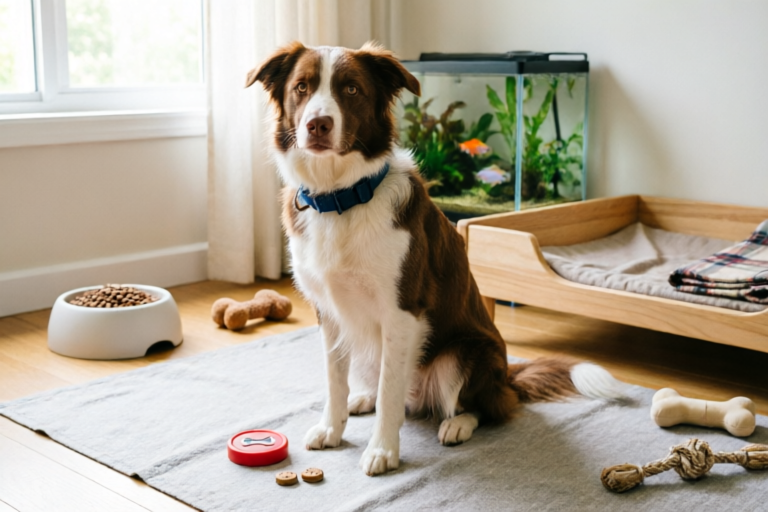
How to Train Your Dog to Follow Simple Commands
Train Your Dog with Love and Patience
Introduction to Dog Training
Dog training is an essential aspect of responsible pet ownership that brings numerous benefits to both the dog and its owner. Proper training helps dogs understand their role within the family, promotes good behavior, and ensures their safety. In this article, we will explore the importance of training, introduce some simple commands every dog should know, and highlight the advantages of obedience training.
Importance of Training for Both Dog and Owner
Training not only enhances a dog's behavior but also strengthens the bond between the animal and its owner. Well-trained dogs are more confident and better able to interact positively with other pets and people. For owners, having a well-behaved dog means fewer behavioral issues at home and in public spaces.
Overview of Simple Commands Every Dog Should Learn
The most fundamental commands include 'sit', 'stay', 'come', and 'leave it'. These commands form the foundation of a dog's education and help ensure they respond appropriately in various situations. Each command serves a specific purpose, such as maintaining control in busy environments or preventing the dog from accessing dangerous objects.
Benefits of Obedience Training
Obedience training leads to improved communication between humans and animals, increased confidence for the dog, and better overall health. Dogs that engage in regular training tend to be less anxious and more relaxed, which can lead to longer, happier lives.
Basic Principles of Positive Reinforcement
Positive reinforcement is a widely accepted method used by trainers to encourage desired behaviors in dogs. This section will delve into understanding this technique, the importance of timing and consistency, and how to use rewards effectively.
Understanding Positive Reinforcement Techniques
Positive reinforcement involves rewarding desirable behaviors to increase the likelihood of them being repeated. Rewards can take many forms, including treats, verbal praise, and playtime. The goal is to make the experience enjoyable for the dog, thereby encouraging cooperation.
Timing and Consistency in Rewarding Good Behavior
Timing is crucial when using positive reinforcement. Immediate rewards reinforce the behavior just performed, helping the dog connect actions with outcomes. Consistency across training sessions ensures the dog understands what is expected of them.
Using Treats, Praise, and Toys Effectively
Treats are often the go-to reward for training, but they should be used sparingly to prevent obesity. Verbal praise and toy rewards can also be highly effective. It’s important to vary the type of reward to keep training interesting for the dog.
Teaching "Sit" Command
The 'sit' command is one of the first commands many dogs learn because it is relatively easy to teach and has practical applications. This section provides step-by-step guidance along with tips on avoiding common pitfalls.
Step-by-Step Guide on How to Teach the "Sit" Command
To start, hold a treat close to your dog's nose so they can smell it but not reach it. Slowly move the treat up and back towards their head, prompting them to tilt their head back and lower their bottom into a sitting position. Once they sit, immediately give them the treat and praise them.
Common Mistakes to Avoid During Training
One common mistake is allowing the dog to jump up to get the treat. This can encourage bad behavior. Another is moving too quickly through the steps before the dog fully understands each one.
Tips for Reinforcing the Command Over Time
Once your dog has mastered the 'sit' command, gradually reduce the frequency of treats while increasing verbal praise. You can also introduce distractions during practice sessions to test their reliability.
Training "Stay" and "Come" Commands
The 'stay' and 'come' commands are vital for ensuring your dog remains safe in various environments. This section outlines detailed instructions and strategies for successful training.
Detailed Instructions for Teaching "Stay" and "Come"
For 'stay', begin with short durations and gradually increase them. Use a hand signal to indicate 'stay' and ensure your dog knows you're still in control even when they're stationary. For 'come', call your dog's name followed by the command. Reward them instantly upon arrival.
Gradual Progression from Short to Longer Stays
Start with brief periods of 'stay' and slowly extend the duration as your dog becomes more comfortable. Always end on a positive note by giving them attention or a treat.
Strategies for Recall Training in Distracting Environments
Practice 'come' in different settings, starting in quiet areas and progressing to busier locations. Ensure you always reward your dog for coming when called, regardless of distractions.
Building Confidence with "Leave It" Command
The 'leave it' command teaches dogs to resist temptation, which is crucial for safety. This section explains why this command is important and offers methods for teaching it effectively.
Importance of Teaching "Leave It" for Safety Reasons
This command prevents dogs from eating harmful substances or approaching dangerous situations. It can save lives and prevent costly medical bills.
Begin by placing a treat in your closed fist and asking your dog to 'leave it'. When they stop trying to get the treat, open your hand and let them have it. Gradually increase difficulty by using less obvious treats or placing them out of reach.
Real-Life Scenarios Where "Leave It" Is Crucial
Imagine your dog encounters a road full of cars or finds something toxic on the ground. The 'leave it' command could mean the difference between life and death.
Maintaining and Expanding Training
Consistent review and practice are necessary to ensure your dog retains learned commands. This section discusses ways to maintain training and introduce new skills as your dog advances.
Reviewing and Practicing Commands Regularly
Schedule regular training sessions to review previously taught commands. This reinforces learning and keeps your dog sharp.
Introducing New Commands as Your Dog Progresses
As your dog masters basic commands, consider introducing more complex ones such as 'heel', 'drop', or 'fetch'. Each new command builds on previous knowledge.
Creating a Fun and Engaging Training Routine for Lifelong Learning
Incorporate games and challenges into your training routine to keep things exciting. This makes learning enjoyable for both you and your dog.
Conclusion: The Rewards of Obedience Training
In conclusion, obedience training is a rewarding endeavor that enhances communication, strengthens bonds, and ensures safety. By following the guidelines provided here, you'll set your dog up for success and enjoy years of companionship.
Recap of Key Points Covered in the Article
We've explored the importance of training, introduced several key commands, discussed positive reinforcement techniques, and emphasized the ongoing nature of training.
Encouragement for Continued Training Efforts
Remember, patience and persistence are key. With consistent effort, you and your dog will achieve great results.
Final Thoughts on the Bond Between Dog and Owner Through Training
Training is more than just teaching commands; it's about building trust and mutual respect. A well-trained dog is a joy to live with and a testament to the strong relationship between pet and owner.
Comments

This was really helpful. My dog now listens better, and our walks are much more enjoyable.

Thanks for the tips! My dog is getting better at following commands. Will try some new ones next.

We've been working on 'stay'. My dog does great for a few seconds but then gets antsy. Any suggestions?
My dog gets distracted easily. Any tips for training 'come' when there are other dogs around?

Great article! I'm curious, does anyone have advice on how to train in noisy environments?

The 'leave it' command really saved my dog from eating something toxic. Thanks for the helpful tips!
I tried the 'sit' command with my golden retriever and it worked like a charm! Just make sure you have plenty of treats on hand.