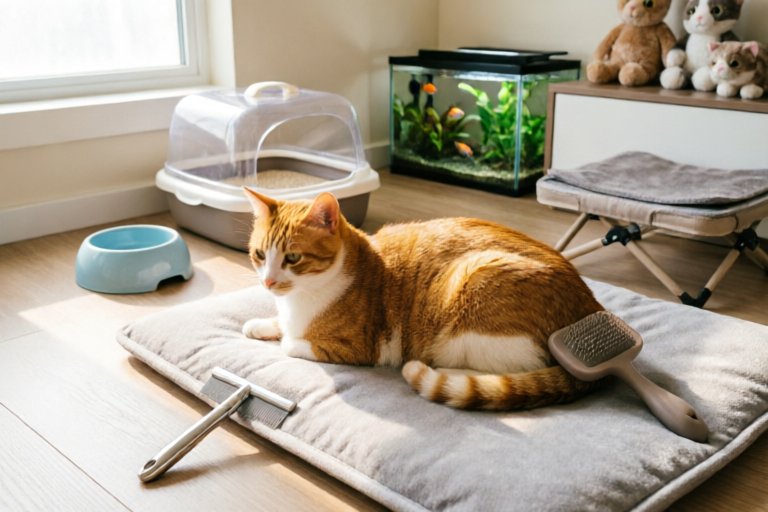
How to Groom Your Cat at Home Easily
Groom Your Cat at Home for Better Health and Bonding
Introduction to Cat Grooming
Grooming your cat is an essential part of keeping them healthy and happy. Regular grooming not only helps maintain their coat but also promotes good hygiene, reduces shedding, and prevents skin issues. In this guide, we will explore the benefits of grooming at home and provide a comprehensive step-by-step process to ensure your cat remains comfortable and stress-free during the grooming session.
Importance of Regular Grooming
Regular grooming can significantly impact your cat's overall health. It helps remove dirt, loose hair, and tangles, preventing matting and reducing the risk of skin infections. Additionally, grooming provides an opportunity for you to bond with your pet while checking for any unusual lumps, bumps, or changes in skin texture that could indicate underlying health issues.
Benefits of Home Grooming vs Professional Services
While professional grooming services are available, grooming your cat at home offers several advantages. It saves money, allows you to monitor your cat's comfort level, and strengthens the bond between you and your pet. Moreover, home grooming gives you the flexibility to adjust the frequency based on your cat's specific needs.
Essential Tools for Cat Grooming
To effectively groom your cat, having the right tools is crucial. Below are some essential items you should consider adding to your grooming kit:
Types of Brushes and Combs
- Pin brush: Ideal for long-haired cats, as it helps remove tangles and distribute natural oils throughout the coat.
- Comb: Useful for short-haired cats, as it helps remove loose fur and debris.
- Flea comb: A fine-toothed comb designed to remove fleas and other parasites from your cat's coat.
Other Necessary Tools
- Nail clippers: Essential for trimming your cat's nails to prevent overgrowth and potential discomfort.
- Scissors: Used for trimming fur around sensitive areas such as the eyes and paws.
- Matt rake: A tool specifically designed to break up matted fur without causing pain.
Step-by-Step Guide to Brushing Your Cat’s Coat
Brushing your cat's coat is one of the most important aspects of grooming. The technique you use will depend on your cat's coat length.
Approaching Your Cat
Before starting, it's essential to approach your cat calmly and gently. Speak softly and allow them time to get used to your presence. Use treats or toys to create a positive association with grooming sessions.
Techniques for Long-Haired Cats
Long-haired cats require more frequent brushing to prevent matting. Start by using a wide-toothed comb to loosen any tangles, then switch to a pin brush to smooth out the coat. Be patient and gentle, working in small sections to avoid pulling on the fur.
Techniques for Short-Haired Cats
Short-haired cats typically need less frequent brushing, but it's still important to keep their coat clean and shiny. Use a soft-bristled brush or a rubber curry comb to remove loose hair and distribute natural oils.
Techniques for Medium-Length Coats
Cats with medium-length coats benefit from regular brushing to prevent tangles and promote healthy skin. Use a slicker brush or a bristle brush to remove dead hair and distribute oils evenly across the coat.
Trimming Nails and Cleaning Ears
In addition to brushing, trimming nails and cleaning ears are essential parts of your cat's grooming routine.
Proper Nail Trimming Techniques
Trimming your cat's nails is crucial to prevent overgrowth and potential injuries. Use a pair of sharp, high-quality nail clippers designed for pets. Before starting, examine each paw to identify the quick, which is the pink area inside the nail. Trim only the tip of the nail, avoiding the quick to prevent bleeding.
Cleaning Ears Gently
Ear cleaning is important to prevent wax buildup and infections. Use a cotton ball or a soft cloth dipped in a veterinarian-approved ear cleaner. Gently wipe the outer ear canal, being careful not to insert anything into the ear canal itself. If you notice redness, swelling, or discharge, consult your vet immediately.
Bathing Your Cat: Tips and Tricks
Bathing your cat should be done sparingly, as excessive bathing can strip away natural oils from their skin. However, there are times when a bath is necessary, such as after rolling in something unpleasant or when they have a skin condition.
Frequency of Bathing
The frequency of bathing depends on your cat's individual needs. Most cats require baths every 6 to 8 weeks, but some may need them less frequently. Always use a mild, pet-safe shampoo and warm water.
Tips for a Stress-Free Bath
When bathing your cat, it's important to keep them calm and comfortable. Fill a sink or bathtub with about 2 inches of warm water. Wet your cat's coat thoroughly, apply shampoo, and rinse thoroughly. Dry your cat with a towel, ensuring they are completely dry before allowing them to roam freely.
Maintaining Regular Grooming Habits
Establishing a consistent grooming routine is key to maintaining your cat's health and happiness. Choose a quiet time when your cat is relaxed, and stick to it. Over time, your cat will become accustomed to the routine and may even look forward to it.
Recognizing Signs for More Frequent Grooming
Pay attention to signs that your cat may need more frequent grooming, such as excessive shedding, matting, or skin irritations. If you notice these signs, increase the frequency of your grooming sessions accordingly.
Conclusion
Grooming your cat at home is a rewarding experience that benefits both you and your pet. By following the steps outlined in this guide, you can ensure your cat remains healthy, comfortable, and well-groomed. Remember, grooming is not just about appearance; it's about promoting good health and strengthening the bond between you and your feline companion. Start grooming your cat today and enjoy the many benefits it brings.
Comments

These steps really helped. My cat used to scratch after grooming, but now she's relaxed. Thanks!

My cat is so skittish. How can I make grooming sessions shorter?

I've been following your tips and my cat seems happier. Should I be grooming her every day?

Great guide! I've been struggling with tangles in my cat's fur. Do you have any suggestions for detangling mats?

My cat hates baths. Any tricks to make bath time less stressful?

I tried the nail trimming technique yesterday and it went smoothly. Is there a specific product you recommend for ear cleaning?
Thanks for these tips! My long-haired cat was super stressed before, but now she's much calmer during grooming. Any advice on dealing with shedding?