Cat Care
How to Train Your Kitten to Use a Litter Box Properly
Potty Perfect Starts with You
## Introduction to Litter Box Training
Bringing a new kitten home is an exhilarating milestone filled with love, playfulness, and anticipation. However, one of the most critical responsibilities awaiting new owners is ensuring their feline friend learns to use the litter box properly. While cats possess a natural instinct to bury waste, this biological drive does not always translate automatically to knowing which specific spot in your home is designated for elimination. Understanding the importance of litter box training early on is fundamental to maintaining household hygiene, strengthening the bond between you and your pet, and preventing behavioral issues that can strain the human-animal relationship.
Starting the training process as soon as you bring your kitten home is crucial. Most kittens are introduced to this skill by their mother, who teaches them through observation. However, once separated from the litter and moved to a new environment, these habits may need reinforcement. Setting realistic expectations is equally important; some kittens catch on within days, while others may take a few weeks. It depends on their age, personality, and previous exposure to litter. A sudden onset of inappropriate elimination often signals stress rather than stubbornness, so patience is your most valuable tool.
Gathering necessary supplies before the kitten arrives sets the stage for success. Essential items include the litter box itself, appropriate cat litter, a scoop, and potentially litter matting to contain tracking. Choosing the right materials isn't just about aesthetics; it's about texture preference, scent sensitivity, and ease of use. By preparing a conducive environment from day one, you minimize confusion and maximize the likelihood of immediate acceptance. In this comprehensive guide, we will walk you through every aspect of the process, from selecting the perfect hardware to managing the inevitable accidents that occur during learning phases.
## Choosing the Right Equipment and Location
The physical setup plays a pivotal role in whether your kitten will embrace the litter box willingly. Unlike humans, who simply need space, cats are particular about privacy, comfort, and accessibility. When discussing factors such as box size and depth, remember that a kitten’s current size does not predict their future dimensions. As a general rule, the litter box should be at least 1.5 times the length of the adult cat. For a growing kitten, this means you don’t necessarily need to buy a giant box immediately, but you should ensure it won’t require an expensive replacement when they hit maturity. Avoid small travel boxes or enclosures that feel cramped.
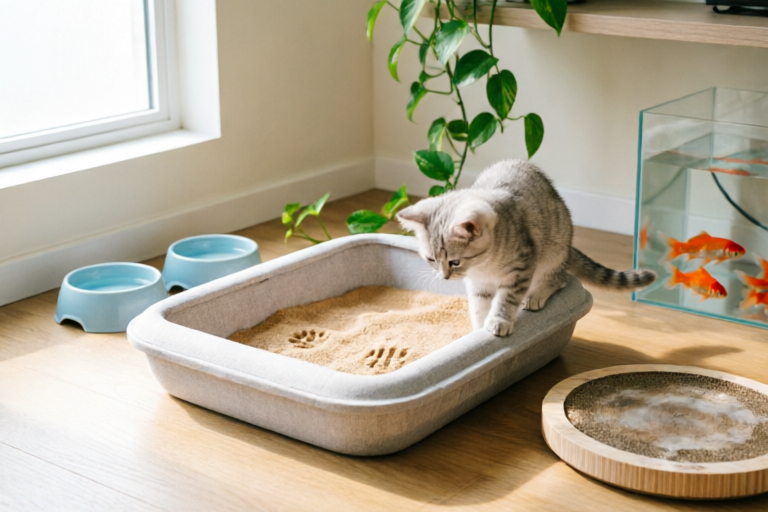
Depth is another critical factor. Kittens like to dig vigorously to cover their waste. If the walls are too high, they may struggle to climb out, leading to frustration. Conversely, if the box is too shallow, they may kick litter everywhere. A good beginner box should have low sides to allow easy entry and exit. However, as they grow, raising the sides can prevent kicking. Regarding style, you must decide between covered versus open designs. Covered boxes offer privacy and can reduce odors, which many owners prefer. However, some kittens feel trapped inside covered boxes and may avoid them entirely due to anxiety or trapped smells. Starting with an open box allows the kitten to see exits and entrances clearly, which is less intimidating.
Selecting a quiet, low-traffic area for placement is just as important as the box itself. Cats are vulnerable when eliminating, so they instinctively seek locations where they do not feel watched or threatened. Placing the box in a noisy laundry room with a washing machine that clanks loudly, or a hallway where people constantly rush past, can cause a kitten to hold their bladder until it bursts elsewhere. Ideally, choose a corner or nook that offers some seclusion but still provides a clear escape route. Furthermore, avoid placing the litter box near the kitten’s food and water bowls. Despite being carnivores who hunt for meat, cats generally do not like to relieve themselves right next to where they eat, as the smell of waste can taint the scent of their meal source.
For multi-cat households, the rules shift slightly. The golden rule here is "n plus one." If you have two cats, you should have three litter boxes placed in different locations. Sharing a box can lead to territorial disputes and stress-induced avoidance. Each cat needs their own sanctuary. Additionally, consider the litter type. There are various options available, including clay, silica gel, recycled paper, and plant-based litters. Many kittens default to the loose, sandy texture of clay litter because it mimics soil and sand found outdoors. Unscented varieties are highly recommended. Scented litters often contain artificial fragrances intended to mask odor for humans, but to a cat with a sensitive nose, strong perfumes can be overwhelming and repulsive. Clumping litter is popular for easier cleanup, but some experts suggest avoiding it for very young kittens (under 6 months) in case they ingest it accidentally, as ingestion can cause intestinal blockages. Non-clumping grain or sand litters are safer alternatives for the earliest stages.
## Step-by-Step Training Routine
Once you have your equipment selected and placed, it is time to implement the core method of training. The goal is to create a positive sensory association between the box and the feeling of needing to eliminate. The most common trigger for elimination in kittens occurs shortly after waking up from a nap or finishing a meal. Their metabolism kicks in, creating an urge to move. Therefore, the primary step in this routine involves taking the kitten to the litter box immediately after these events. Gently place them inside the box. Do not force them in aggressively, as this can create fear associations. Instead, encourage them to explore.
While inside the box, you may notice natural behaviors emerging. Kittens often circle around and sniff the surface. Encourage digging behaviors by gently holding their paws and simulating a scratching motion against the litter. This reinforces the muscle memory required for covering their waste. Keep sessions short and sweet. Allow them to stay in the box as long as they wish, but if they sit and play instead of using it, gently remove them and return later. Patience is key here. If they successfully use the box, wait a moment, then immediately offer a reward. This could be a small treat, verbal praise in a high-pitched cheerful voice, or gentle petting. Positive reinforcement cements the behavior, letting the kitten know exactly what action led to a pleasant outcome.
It is also vital to establish a consistent schedule. Take your kitten to the box several times a day, especially if they seem restless, pawing at carpets, or circling in a way that suggests urgency. Monitor their water intake as well. Dehydration can affect the consistency of urine and frequency of trips. During the initial phase, confine the kitten to smaller spaces within the house that contain the litter box. This limits their ability to find alternative spots away from the designated area. As they become more confident and reliable, you can gradually grant access to larger parts of the home. Never leave the door open to their confinement area without supervision until they have consistently used the box without mistakes for several days.
Another nuance of the training routine involves observing the kitten’s body language. Some signs indicate the immediate need to go: pacing, intense sniffing, vocalizing, or squatting motions. If you catch these signs, immediately pick the kitten up and place them in the box. Do not yell; silence is golden. The connection between the act and the box should remain purely practical. Over time, the kitten will link the location and the material with the physiological necessity of elimination. Consistency across all family members is also essential. If one person lets the kitten roam freely while another keeps them confined, the message becomes muddied. Everyone interacting with the kitten should follow the same routine regarding litter box access and rewards.
## Handling Accidents and Behavioral Challenges
Despite thorough preparation and adherence to a strict routine, accidents are almost a certainty at some point during the training period. These incidents can be frustrating, but how you handle them defines the long-term success of the training. The first and most important rule is to never punish the kitten physically or emotionally. Rubbing their nose in the mess, yelling loudly, or hitting them serves only to confuse and terrify the animal. It does not teach them that "this is the bathroom." Instead, it teaches them that you are unpredictable and scary, which can lead to hiding behaviors and further bathroom evasion. They learn to avoid you, not the wrong spot.
When you discover an accident, the priority shifts to cleaning and understanding. Thorough cleaning is non-negotiable. Regular household cleaners often fail to remove the pheromones present in cat urine, which leave a scent trail that signals to the cat "this is a toilet." If even a microscopic amount of scent remains, the kitten will likely return to that spot repeatedly. To combat this, use an enzymatic cleaner specifically designed for pet stains. These cleaners contain bacteria that consume the organic matter causing the smell. Apply the cleaner generously to the affected area and allow it to dwell for the recommended time. Do not cover the spot with fabric until it is completely dry. Once the site is odorless to the human nose, it should also be invisible to the cat’s heightened sense of smell.
Understanding the root cause of accidental behavior is critical. Sometimes, accidents are medical in nature. Conditions like urinary tract infections (UTIs), bladder stones, or kidney issues can cause pain associated with urination. If a cat associates the litter box with pain, they will avoid it regardless of training. If you notice straining in the box, blood in the urine, or excessive vocalization during elimination, consult a veterinarian immediately. Assuming it is a behavioral issue when it is medical can delay necessary treatment and prolong the suffering of your pet. Hormonal changes in unaltered males can also lead to marking behavior, which differs from regular elimination and requires surgical intervention (neutering).
Environmental stress is another common culprit. Changes in routine, moving houses, the arrival of a new baby or pet, or loud noises can trigger anxiety-induced accidents. In these cases, reducing the stressor is helpful, along with providing vertical spaces, hiding spots, and calming pheromone diffusers. If the kitten avoids the box due to cleanliness, remember that cats are fastidious. If a box is dirty, they may hold it too long until it slips. Increasing the frequency of scooping can resolve this. Sometimes, switching to a different litter type helps if the current texture feels uncomfortable on their paws. Always investigate the "why" before blaming the cat’s intelligence or character.
## Maintenance and Final Considerations
Long-term success in litter box training relies heavily on consistent maintenance. Even well-trained adult cats can revert to bad habits if the situation deteriorates. Daily cleaning practices involve scooping solid waste and clumped urine at least once a day. If you have multiple cats, scooping twice a day is advisable to ensure there is always fresh sand available. Smell detection varies between animals, so what smells faint to you might smell intensely offensive to your cat. Weekly maintenance should involve emptying the entire tray, washing the box with mild soap and warm water, drying it thoroughly, and refilling with fresh litter. Avoid harsh chemicals like bleach mixed with ammonia, as these can create dangerous fumes or linger in ways that deter usage.
Common mistakes to avoid include failing to provide enough boxes (in multi-cat homes), placing the box near heat sources which accelerates odor, or ignoring tracking. A litter mat under the box can help keep your floors clean. Another mistake is assuming that a kitten will "just figure it out" without oversight during the transition phase. Monitoring progress ensures you catch issues early. Finally, reinforce the value of patience and consistency for long-term success. Cats thrive on routine. Feeding times, playtimes, and bathroom trips should happen at predictable intervals to build security.
Sometimes, despite all efforts, a specific cat may prefer soft surfaces like carpets over hard plastic. This is a preference quirk that requires workarounds. You might try placing a small piece of carpet in the box temporarily, or moving the litter box closer to the favored spot until the habit transfers. Remember that training is a process of building trust. When your kitten uses the box reliably, acknowledge the achievement. Celebrate the small wins. With the right setup, routine, and compassionate handling of setbacks, litter box training becomes a seamless part of your life together, allowing you to enjoy the companionship of your feline friend without worrying about hygiene issues. By following these guidelines, you set the foundation for a healthy, happy life for both yourself and your new companion.
## Frequently Asked Questions (FAQ)
**Q: How long does it take to train a kitten?**
A: Most kittens understand the concept within a few days to a week. However, full reliability may take a few weeks of consistent practice.
**Q: Why does my kitten poop outside the box?**
A: This is usually due to aversion to the litter texture, location, or cleanliness. It can also signal medical issues like constipation or arthritis.
**Q: Can I use scented litter?**
A: It is best to avoid scented litter. Strong fragrances can be offensive to cats and may discourage them from using the box.
**Q: What should I do if my kitten eats the litter?**
A: Stop using clumping clay litter immediately, as it expands in the stomach. Switch to a safer, non-clumping material and consult a vet to check for digestive blockages.
Comments

CatWhispererX
Consistency wins! We stopped yelling every time he missed and just redirected. Game changer.
👍 0👎 0

NewbieOwner
Should I be worried if he digs for 10 mins but doesn't pee? Or is he just playing?
👍 14👎 0

FluffyLife
We have three cats and one box was chaos. Definitely getting a second one next week based on this advice.
👍 14👎 0

KittyZone
Mine took way longer than a week. Like 3 months honestly. Don't get discouraged if it drags out!
👍 22👎 0

PawsAndClaws
Thank god for the enzymatic cleaner tip. I was scrubbing with regular soap and it kept reeking 😅
👍 22👎 0

RescueRex
Quick q: do covered boxes ever work? My guy just refuses to go in. Might have to ditch it.
👍 17👎 0

TabbyMama
Just started this process with my 10-week-old! Putting him in the box after meals actually helped a lot. Hope he stays on track!
👍 7👎 0