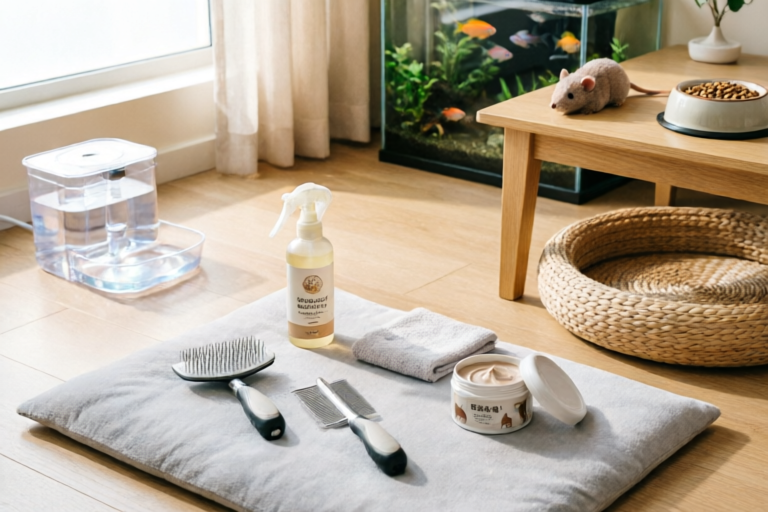
How to Groom Your Cat at Home Efficiently
Efficient Cat Grooming Made Easy
Introduction to Cat Grooming
Importance of Regular Grooming for Your Cat's Health and Hygiene
Grooming is an essential part of keeping your cat healthy and happy. Regular grooming helps remove dirt, loose fur, and dead hair, preventing matting and reducing the risk of skin infections. It also strengthens the bond between you and your cat, making it a rewarding experience for both of you.
Benefits of Grooming at Home vs Professional Grooming
Grooming your cat at home can be more convenient and cost-effective than taking them to a professional groomer. However, it requires some preparation and practice. With the right tools and techniques, you can achieve professional results from the comfort of your own home.
Overview of Tools and Products Needed for Efficient Grooming
To groom your cat effectively, you'll need a variety of tools and products. These include brushes, combs, nail clippers, shampoos, conditioners, and detanglers. In the next section, we'll go over the specific tools and products you'll need for each step of the grooming process.
Preparing for Grooming: Tools and Products
Essential Grooming Tools
- Brushes: Choose the right brush for your cat's coat type. For long-haired cats, use a slicker brush to remove tangles. For short-haired cats, a bristle brush is sufficient.
- Combs: Fine-toothed combs are useful for removing mats and tangles.
- Nail clippers: Invest in a pair of cat-specific nail clippers for safe and effective trimming.
Recommended Grooming Products
- Shampoos: Select a mild, pH-balanced shampoo specifically formulated for cats.
- Conditioners: Use a conditioner to keep your cat's coat soft and manageable.
- Detanglers: Apply detangler spray to help remove knots without causing discomfort.
Setting Up a Comfortable Grooming Space at Home
Create a quiet, comfortable space for grooming. Use a non-slip surface and place a towel or blanket to make your cat feel secure. Ensure good lighting and ventilation to make the process easier and more enjoyable for both you and your cat.
Step-by-Step Guide to Brushing and Combing
Techniques for Brushing Long-Haired and Short-Haired Cats
Long-haired cats require more frequent brushing to prevent matting. Start by brushing against the grain to loosen dirt and dead hair, then brush with the grain to smooth the coat. For short-haired cats, a quick brush once a week should suffice.
Identifying and Removing Tangles and Mats
If you encounter tangles or mats, use a fine-toothed comb to carefully work through them. Be patient and gentle to avoid causing pain or distress to your cat. If the tangle is too severe, consult a professional groomer.
Frequency of Brushing Based on Coat Type
Long-haired cats should be brushed daily, while short-haired cats can be brushed once a week. Consistency is key to maintaining a healthy coat.
Proper Nail Care for Your Cat
How to Trim Your Cat's Nails Safely and Effectively
Nail trimming is an important aspect of cat grooming. Use a cat-specific nail clipper and trim only the tip of the nail, avoiding the quick (the pink part inside the nail). If you're unsure, consult a veterinarian or a professional groomer for guidance.
Signs That It's Time for a Nail Trim
Look for signs of overgrown nails, such as difficulty walking or scratching furniture. Regular nail trims will prevent these issues and keep your cat comfortable.
Tips for Handling Nervous or Anxious Cats During Nail Care
Approach nail trimming with patience and gentleness. Reward your cat with treats and praise to create positive associations. If your cat is particularly anxious, consider using a calming spray or pheromone diffuser to reduce stress.
Bathing Your Cat at Home
Choosing the Right Shampoo and Bathing Frequency
Cats are generally self-groomers, so they don't require frequent baths. However, if your cat gets dirty or has skin issues, a bath may be necessary. Use a mild, pH-balanced cat shampoo and bathe your cat every few months, or as needed.
Step-by-Step Instructions for Giving Your Cat a Bath
- Prepare the area with a non-slip surface and warm water.
- Wet your cat's coat thoroughly, avoiding the head and face.
- Apply shampoo gently, massaging it into the coat.
- Rinse thoroughly, ensuring no shampoo residue remains.
- Dry your cat with a towel or blow dryer set on low heat.
Dealing with Water-Phobic Cats and Ensuring a Stress-Free Experience
If your cat is afraid of water, introduce them gradually. Use a calm, reassuring tone and offer treats as rewards. Practice wetting their paws first, then gradually move to a full bath. Patience and positive reinforcement are key.
Final Touches and Maintenance
Cleaning Your Cat's Ears and Eyes
Regular ear cleaning helps prevent infections. Use a cotton ball dampened with a pet-safe ear cleaner to gently wipe the outer ear. Avoid inserting anything into the ear canal. For eye cleaning, use a damp cloth to gently wipe away any discharge around the eyes.
Checking for Skin Issues or Parasites
During grooming, inspect your cat's skin for any redness, bumps, or parasites. Fleas, ticks, and mites can cause discomfort and health issues. If you notice any problems, consult a veterinarian for proper treatment.
Establishing a Consistent Grooming Routine for Your Cat
A consistent grooming schedule helps your cat get used to the process and makes it easier to maintain their health and hygiene. Set aside regular times for grooming, and make it a positive experience by offering treats and praise.
Conclusion: Maintaining a Healthy Grooming Schedule
Recap of Key Points Discussed in the Article
In this guide, we've covered the importance of regular grooming, the tools and products you'll need, and step-by-step instructions for brushing, nail care, and bathing. By following these tips, you can ensure your cat stays healthy and happy.
Encouragement to Make Grooming a Bonding Activity with Your Cat
Grooming is not just about keeping your cat clean; it's also a great way to strengthen your bond. Take the time to enjoy each other's company and make grooming a positive experience.
Additional Resources for Further Reading and Support
If you have any questions or need further assistance, consult a veterinarian or a professional groomer. There are also many online resources and forums where you can find advice and support from other cat owners.
Comments

Thanks for the reminder about checking for skin issues. I'll start doing that more regularly.

I set up a special grooming area at home, and my cat actually seems to enjoy it now!
This article is spot on! Regular grooming has definitely improved my cat's coat.
My cat's ears were super dirty after I checked them. Should I be cleaning them more often?

I've been using this method to bathe my cat, but she still hates water. Any tips to make it less stressful?

Great tips! My cat is so anxious about nail trims. Any advice on how to calm her down more?

I tried brushing my long-haired cat using the techniques mentioned, and it really helped with those stubborn tangles!